Olathe may limit where e-scooters & e-bikes can ride, require helmets
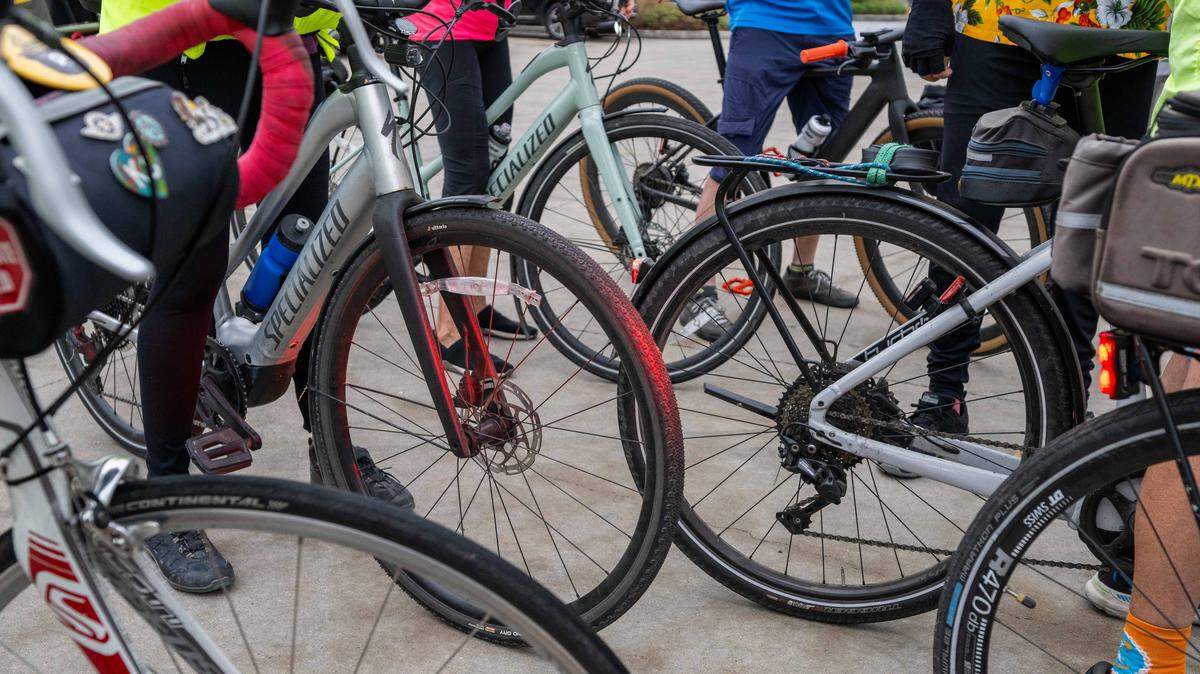
Olathe may become the latest city in the Kansas City metro to implement new rules for e-bikes and e-scooters, following the lead of a handful of Johnson County cities and neighbors across the state line that passed new rules last year.
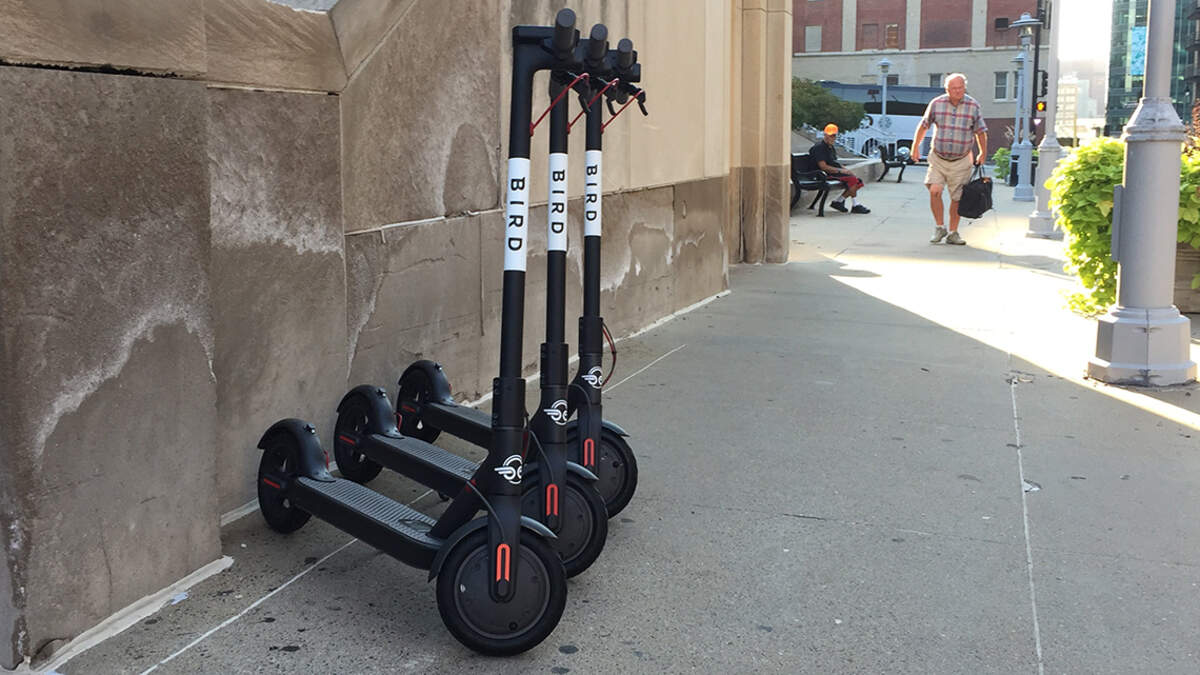
Changes to Olathe’s city ordinances could require helmets for e-bikes and scooter riders, prohibit the devices from most of the city’s roads, cap their speed at 15-20 mph and allow the city to restrict their use on trails.
It would also create a new definition, “micromobility devices,” to cover e-scooters, e-bikes, motorized skateboards and similar devices into one category in the city code.
The proposed changes are currently under review by city staff before they reach the city council for a vote. As of Thursday, there was no timeline for when the proposed changes will make it on the agenda.
“While these are laws that would be enforced, as I understand it, this is largely meant to be educational,” said city council member Jeff Creighton. “We’re hearing from citizens who are concerned about the kids’ safety and I think having better guidelines will help our police department be that tool for educating.”
New rules for e-bikes in Olathe
Micromobility devices would be prohibited on most roads under the new rules change. They would only be allowed on roads when the street has a speed limit of 20 miles per hour or less and no adjacent sidewalk or path.
Riders would be allowed to cross streets to get to the other side and continue riding on sidewalks. The speed limit would be restricted to 15 mph on sidewalks and 20 mph on streets.
Riders must also yield to pedestrians and give an audible signal before passing.
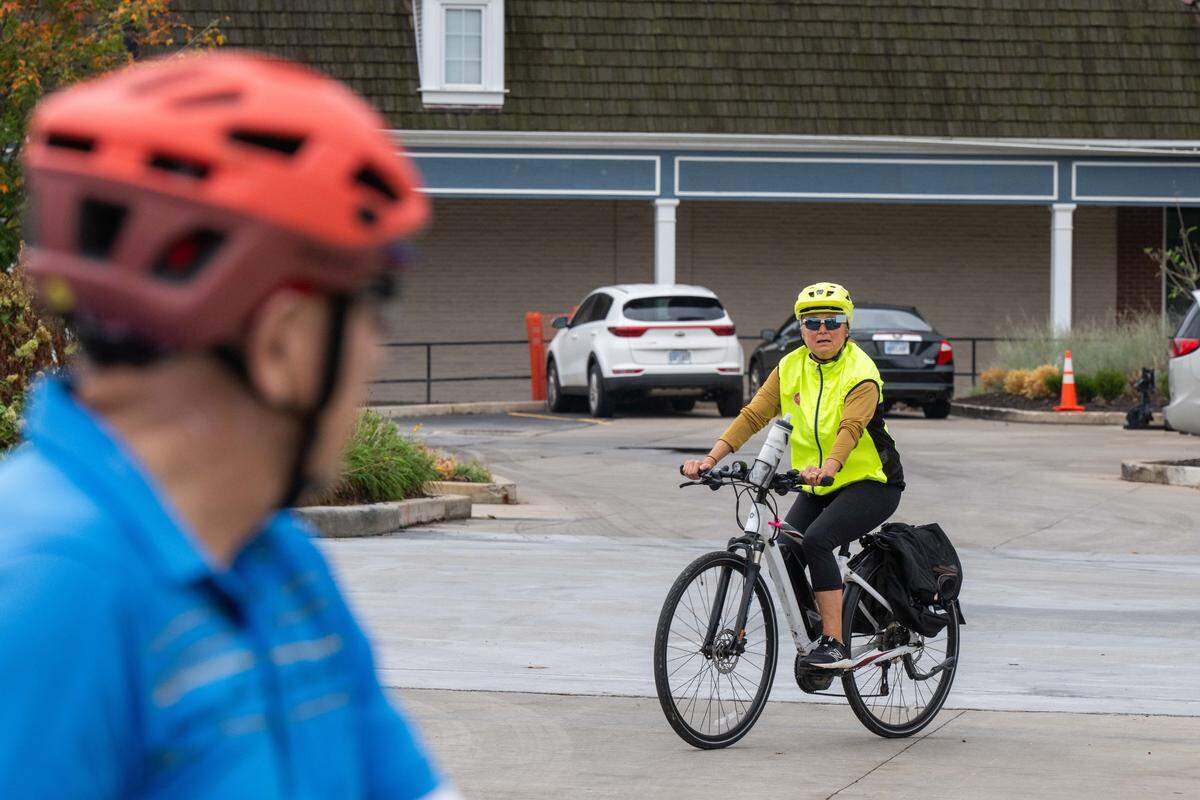
The proposal would require anyone under 18 to wear a bicycle helmet when operating any micromobility device.
Olathe would also be given authority to ban micromobility devices from paths and trails with official city signage.
The proposal also outlines specific guidance for e-bike operators. They would be required to display a class label on the bike, as defined by Kansas law.
Under Kansas law, there are three classes of e-bikes. The first class has a top speed of 20 mph and doesn’t have a throttle assist. The second class has a top speed of 20mph with throttle assist. The third has a top speed of 28 mph with no throttle assist.
Aligning city definitions with Kansas law, the new rules would define electric bikes without pedals as motorcycles.
Olathe’s existing municipal code states that people can’t tamper or modify bikes to change speed capabilities. Scooters in Olathe can’t go faster than 17 miles per hour.
The proposed update also says parents cannot knowingly allow their children to violate the rules governing micromobility devices.
Policy change after crashes
Cities across the metro have looked at ways to make riding e-bikes and scooters safer following a wave of crashes involving the devices.
Last year, 10-year-old Duke Ommert was struck and killed while riding an electric scooter on Oct. 13.
His death prompted the city of Leawood to look at stricter rules and pass an ordinance requiring riders to wear helmets. Shawnee did the same and restricted their use to sidewalks.
Several Johnson County shopping centers restricted motorized bikes and scooters for people under 18-years-old, or banned them completely from use on their properties.
Beyond Olathe, other Johnson County cities, including Overland Park, Prairie Village and Lenexa, each have rules in place for these devices.
Wrecks over the past year have also involved people riding traditional bicycles, not just e-bikes or scooters.
In September last year, Children’s Mercy Hospital pediatric cardiologist Saswat Das was riding a bike when he was struck in a hit-and-run and suffered a traumatic brain injury. A week later, a cyclist was killed in a hit-and-run in northeast Kansas City.

On Oct. 14, 10-year-old Hazen Workman-Duffy was killed after being hit in a crosswalk by a cargo van while she was biking to Ingles Elementary School.
The wrecks sparked conversations in cities across the metro about how to approach traffic safety improvements overall, not just for e-bike users.
In the aftermath of these tragedies, Johnson County cities have looked at more rules for e-bikes and scooter riders, while Kansas City looked at updates to traffic laws for vehicles where bikes and scooter use are frequent.
However, advocates say more rules for bike, scooter riders and vehicles may not be the best long-term solution. BikeWalkKC argued in a blog post that upgrading infrastructure for safe bike and scooter riding should be the focus of elected officials and local governments.
“It was just tragic to hear about that incident in Leawood,” Creighton said. “I’m on board with looking at doing anything we can to prevent the same thing from happening in our community.”
The Star’s Taylor O’Conner and PJ Green contributed.