Coffee and ice cream shop is top contender for Leawood’s old City Hall renovation
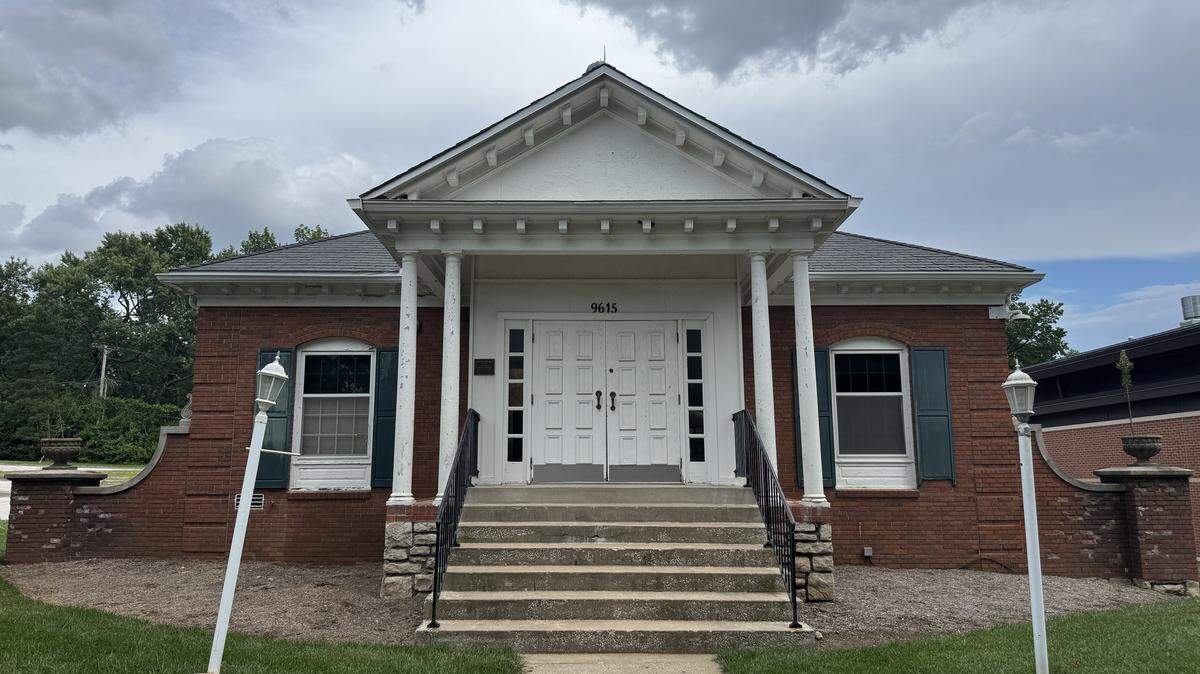
After years of research and gathering public input, the Leawood City Council will narrow down a path for its former City Hall and Fire Station as part of a master plan for the area.
The vacant buildings, which were built in the 1950s, have become the centerpiece of a recent push from Leawood residents, particularly those in north Leawood, who are advocating for better walkability in the northern part of the city. They want to prevent the city from demolishing the old City Hall to be able to create a community hub in the building.
During Monday’s City Council meeting, Leawood officials will discuss what elements they’d like to see in the project moving forward, according to the staff report.
In July, developer BBN architects held informational meetings with residents to get their thoughts on four options — with two proposals that would knock down the City Hall building, moving it to the same lot as the fire station and creating a monument at the old site.
“There were very few comments that gave a complete endorsement to any of the concepts, but they did generate discussions about how the various elements relate to the site and each other,” wrote Scott Bingham, Director of Landscape Architecture with BBN.
The firm found that residents are in favor of preserving the old City Hall at its current location and using the space as a coffee house and ice cream shop, according to city documents.
Most wanted to restore the old fire station to house an old fire truck and add additional space to the original building to create more flexible options for community members to use it as a gathering space for meetings, events and programming.
“Leawood may be the only city in the country with a 1950s fire station next to a modern-day fire station,” resident Greg Schultz said in an email to the city. “They are prime examples of 1950s architecture and part of Leawood’s heritage.”
Other possibilities under consideration include walking trails, a playground and possibly a community garden. Residents emphasized that they’d like to see play equipment account for a “broader range of ages,” like adult exercise equipment, and shared concerns about redundancies with the play structure at Brook Beatty Park.
Costs for the former fire station sit between $1.5 and $1.7 million and the city hall sits between an estimated $900,000 to $1.1 million, according to city documents.
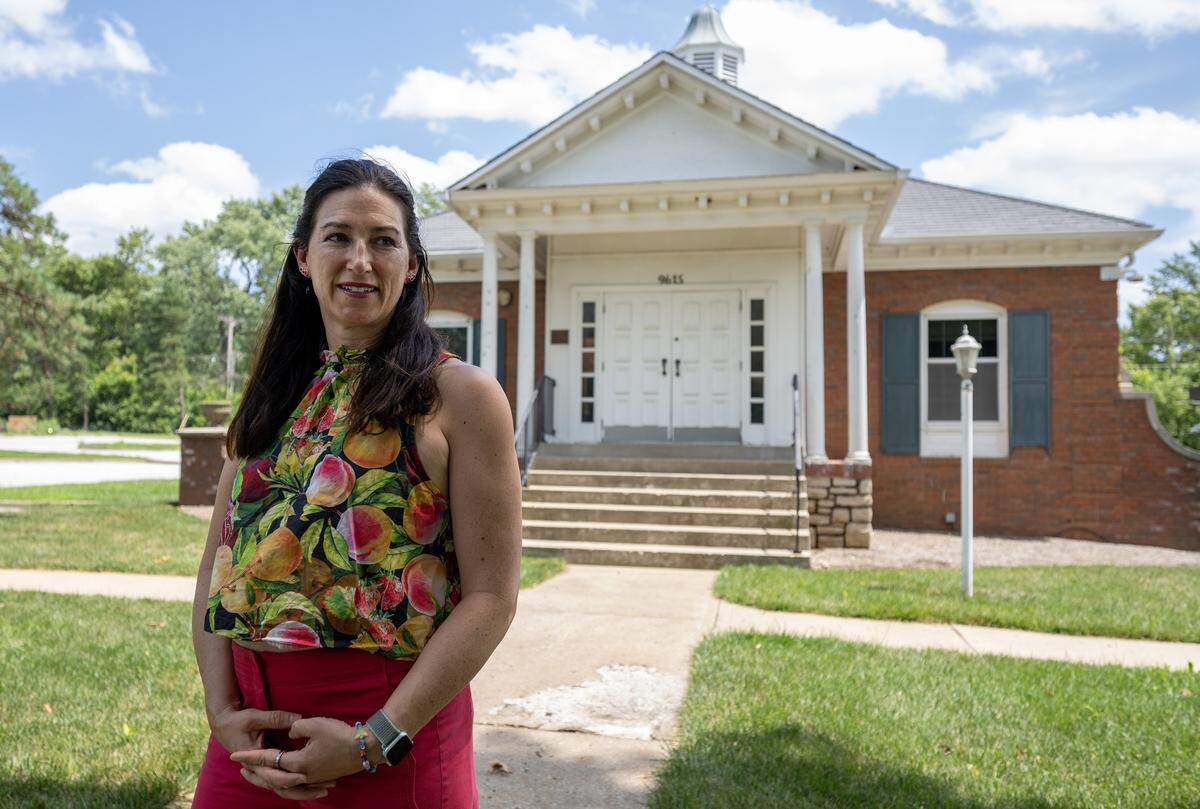
Community feedback
The push to restore the buildings came from a resident-led petition, which has circulated among Leawood residents and garnered more than 960 signatures as of Monday.
“Rather than allowing these historical sites to suffer the fate of demolition, we see an opportunity to repurpose and rejuvenate them as vibrant community centers,” according to the petition. “The restoration and adaptive reuse of these landmarks present a rare opportunity to blend the old with the new—preserving the heritage while creating modern spaces that serve current and future residents.”
Jim Rawlings, a former Leawood City Council member, shared in an emailed public comment that he was in favor of the park expansion, but was concerned about rehabbing City Hall.
“The reports on the current condition of the old city hall detail asbestos, mold and lack of accessibility. This is not conducive for rehabbing,” Rawlings said. “I understand that an interested party wants to buy part of the property to incorporate a retail coffee and ice cream shop. This begs the question, ‘Is there a void that needs to be filled?’”
“We have two Starbucks, Billie’s Grocery and a Summersalt ice cream shop located at Ranchmart Shopping Center. It would not be a good message to send our retail businesses by competing with their customers.”
According to city documents, the area lacks a walkable coffee shop and gathering space within 1.5 miles of 95th and Lee.
Jaclyn Penn, the resident who started the petition for the preservation efforts, told The Star in a previous interview that renovating these spaces could help create a deeper sense of community among neighbors and give children and teens a place to go on their own.
“We only have little space,” Penn said in a previous interview. “Let’s make the most of it.”