Johnson County couple got e-bikes to stay active. Now new rules could make that hard
Jessie and Steve Mehl purchased electric-motorized bikes in the spring as part of their effort to get outside and exercise more.
Both in their 60s with knee issues, the Roeland Park couple is now able to do trail rides on both the Kansas and Missouri side of the state line, commute back and forth to work, and bike to shops around town with the help of their new devices, commonly known as e-bikes.
“I have found an activity that I really enjoy. I’ve been outside more this spring and summer than I have probably in the past 15 years,” Jessie Mehl said. “I like being able to ride up to the Fairway shops or down to Mission, to the library.”
But shortly after the Mehls made their purchases, several Johnson County cities began tightening regulations around e-bikes after concerns and reported complaints from residents — especially about kids and teens allegedly riding recklessly — have jumped up.
Some riders like the Mehls worry that the new rules will impact residents’ ability to be outside, regardless of age.
“I just worry that these restrictions will push me back into the house again,” Jessie Mehl said.
“I don’t want cities and Parks and Rec making knee-jerk reactions before understanding the types of people who are riding them, how they’re using them, and kind of having a knowledge base of what they’re talking about in terms of different levels of bikes and things like that.”
New rules
Police departments and cities throughout Johnson County are now pushing more education efforts and updating their policies to incorporate rules around e-bikes, e-scooters and other modes of electric transportation as they’ve become more popular — and as more people are concerned about kids and teens riding them.
While other departments have anecdotally noticed an increase in concerns around the devices, the Prairie Village Police Department reported 88 calls related to e-bikes from Jan. 1 until Aug. 27. Last year, the department received 18 calls, and only nine calls in 2023.
As a result, the northeast Johnson County city updated its rules, with more restrictions around younger riders, and several private shopping centers have banned e-bikes altogether.
Fairway also recently established new rules that require e-bike users to be over the age of 15 or under direct adult supervision.
And Overland Park and Shawnee are in early discussions around updating their policies, with Shawnee holding an informational session during a Tuesday meeting.
Kept out of rides
The Mehls have already run into some limitations in their short time with their e-bikes, discovering that the type of e-bike she and her husband purchased is even more tightly restricted than other kinds, and in some places is banned entirely.
“One of the things I got really excited about these bikes was I discovered all of these bike groups and then the city of Lenexa has a city bike day, but they said our bikes aren’t welcome,” Jessie said.
E-bikes come in three different levels that vary in speed and abilities. Jessie and Steve purchased level 3 e-bikes, not fully understanding that their bikes can get up to 28 miles per hour and have a throttle.
“I think a lot of folks go in the bike shop and buy an e-bike, but you don’t know about the difference in the levels,” Jessie said. “If you don’t ask the right questions, you might end up with a bike you don’t want.”
“The bike shop we went to only had level 3, we’re stuck with these bikes and we can’t afford to go out and buy new bikes. Had we been educated a bit better, we would have bought a new bike.”
In Lenexa, bikes that go over 20 miles per hour — like the Mehls’ class 3 e-bikes — are prohibited, according to city rules.
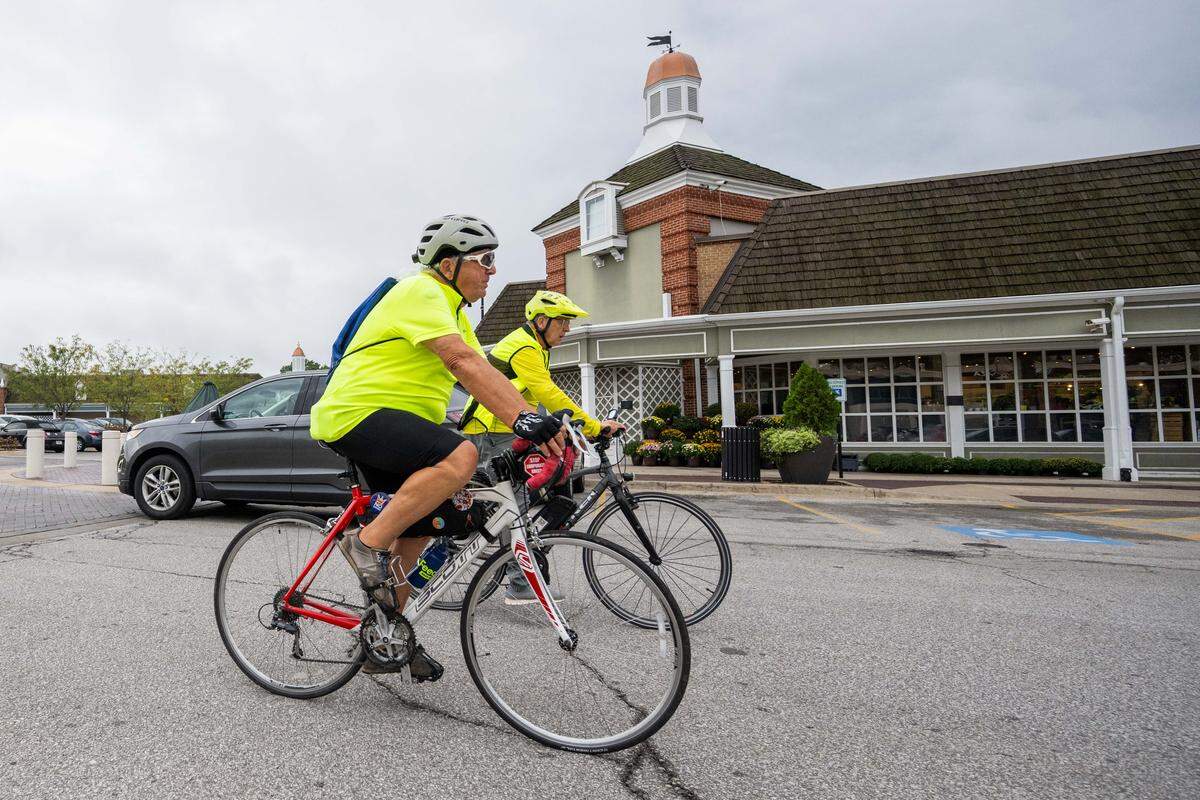
“We can’t ride our bikes around to the shops or restaurants (in Prairie Village) because they aren’t allowed in the shopping center area,” she said. “It’s just the shops determining that because of the kids, they have their reasoning but that means we can’t go there if we want to respect their rules.”
Rather than seeing blanket limitations based on the type of e-bike, Jessie said she’d like to see rules vary between age groups to operate the various types of e-bikes or require insurance for a specific level.
“I just don’t want to be stopped from riding the trails and joining in groups and things like that,” Jessie said. “If one person does something the whole community pays because laws are then created to address the one thing that the person did, and that doesn’t seem reasonable.”
Unintended consequences?
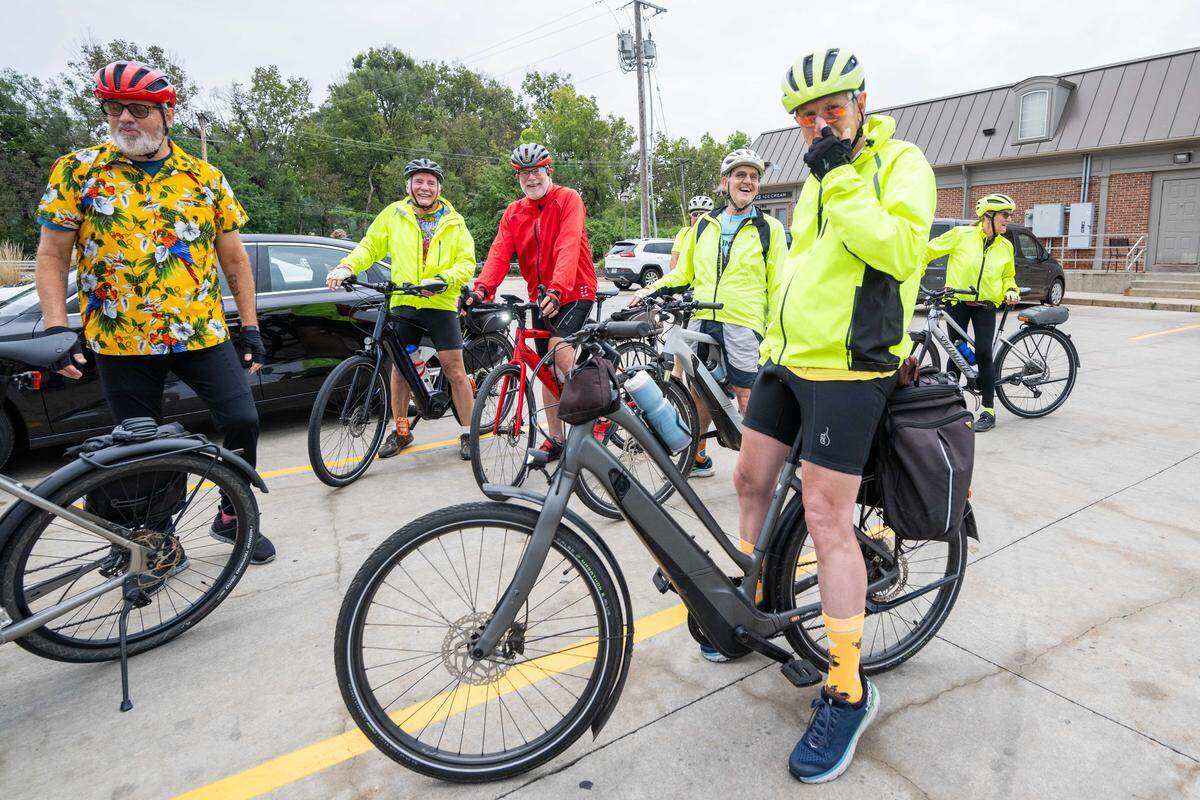
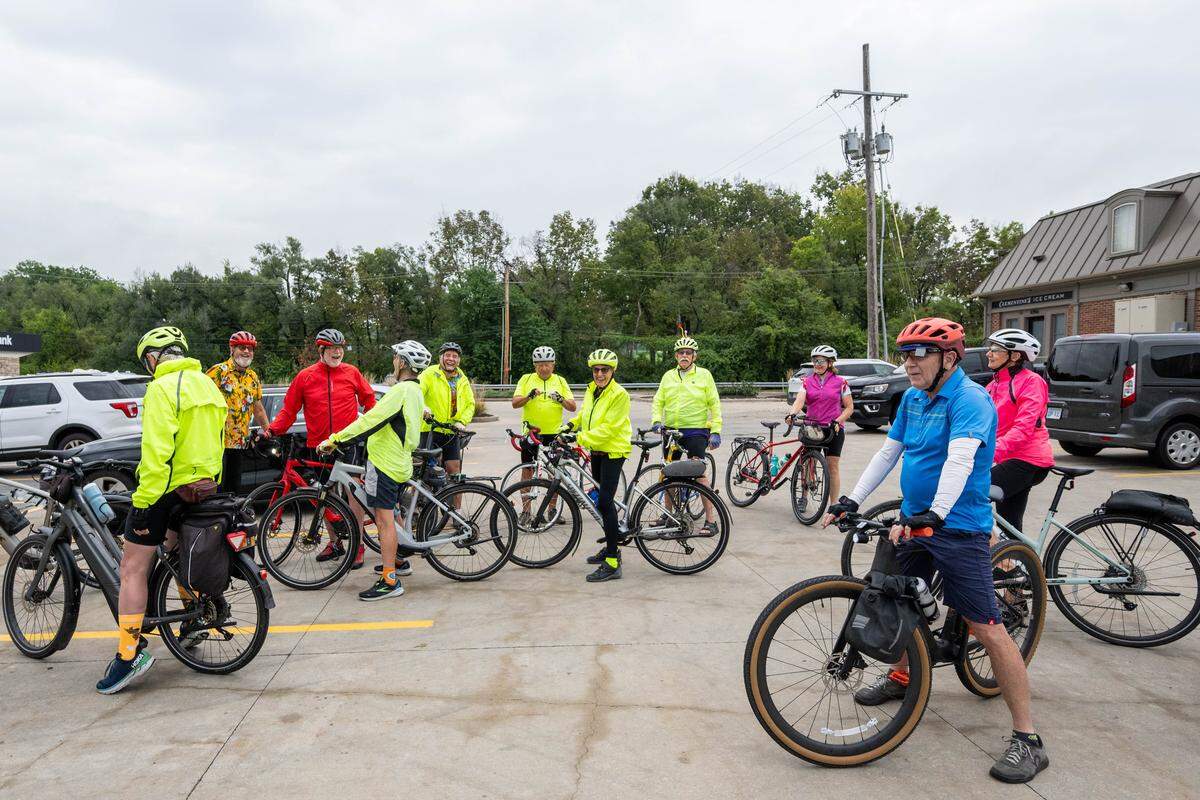
Prairie Village resident Joe Young agrees that cities need to use more discretion when passing bike regulations. He’s a part of Riff Raff, a cyclist group for older residents. They meet at the Prairie Village shops once a week to go on rides together.
The group has spoken with cities about bike infrastructure and made suggestions to help encourage more people to use bikes, but Young worries about how the e-bike rules could impact progress.
“I don’t want them to hurt regular cyclists, or e-bikes, because most of the people riding them are riding them responsibly,” Young said.
Some local leaders are also advocating for approaching new rules with more nuance.
“I’m not in favor of making a bunch of ordinances, but just providing clarity,” said Overland Park City Councilmember Gregg Riess.
“There’s a huge difference between the kid on an e-scooter that’s going off to go fishing or visit their friends, who’s just kind of moving down the path and experiencing some freedom and mobility … Versus that 14 year-old boy who’s riding wheelies down Quivira, who told me that I know my bike is illegal.”
“It’s easy for the community to kind of lump everybody together, but the reality is, those are two very different propositions, right?”
Riess has been a road cyclist for many years and now sits as vice chair of the Overland Park’s public safety committee — which is looking at the city’s ordinances and language to see if the city needs to update its rules in place to include more specifics around e-bikes, e-scooters and other modes of transportation.
“I love seeing more people out and enjoying themselves, it could be for fitness or to clear your head,” he said.
Staff is looking at other cities and even language at the state level to see what’s currently available and decide if Overland Park wants to do something different. No decisions about any changes have been made at this time.
Parent and student education
Instead of cracking down, some area parents want cities and schools to instead make sure families have the information they need to make safer choices about e-bikes and scooters.
Jaclyn Penn, a Leawood resident and parent, has been working with several other community members in a local committee to find ways for kids to commute safely to school.
She’s currently working with the Shawnee Mission School District to teach students and parents about the electric modes of transportation, particularly, e-scooters — which she’s seen jump in popularity with elementary and middle schoolers.
Penn and a few other parents are working on setting up a bike rodeo to educate families around e-scooters at Corinth Elementary, where Penn’s children attend. Additionally, on Oct. 8, Corinth Elementary will host a bike or walk to school day.
“I’m happy for them to use these scooters. Would I prefer a bike to pedal and get the energy out? Yes … but I just want them to be safe on it, because again it gets them outside and that’s most important right now,” Penn said. “It’s so much easier to have them in the backyard, but it doesn’t promote independence and exploration kids need to have.”
Road safety
But getting more people in the community outside goes beyond the rules and regulations, Young said.
“Cycling in general, I wish they would do more for cyclists to make it safer,” Young said. “A painted bike lane doesn’t make us as comfortable but the bike infrastructure is great and I’d love to see that stuff.”
Young bought his e-bike back in 2019 when he retired and has been back outside ever since. He’s ridden almost 25,000 miles since his retirement, enough miles to go around the world. He’d love to see Johnson County cities do more to ensure that cycling is a safe option for all commuters.
“To keep it where bikes aren’t considered second-class citizens,” Young said. “We get people in cars, yelling at us and saying that we should not be on the road.”
This story was originally published September 25, 2025 at 5:09 AM.