KC to decide mini liquor bottle ban to decrease crime. Does research back it up?
Will banning the sale of mini bottles of liquor and single-serve containers of beer actually work to decrease crime in parts of Kansas City? Does research show it to be so?
On Thursday, the full Kansas City Council is set up to take up those very questions as they consider whether to pass an amendment to an ordinance sponsored by Mayor Quinton Lucas and Councilwoman Melissa Robinson of the 3rd District.
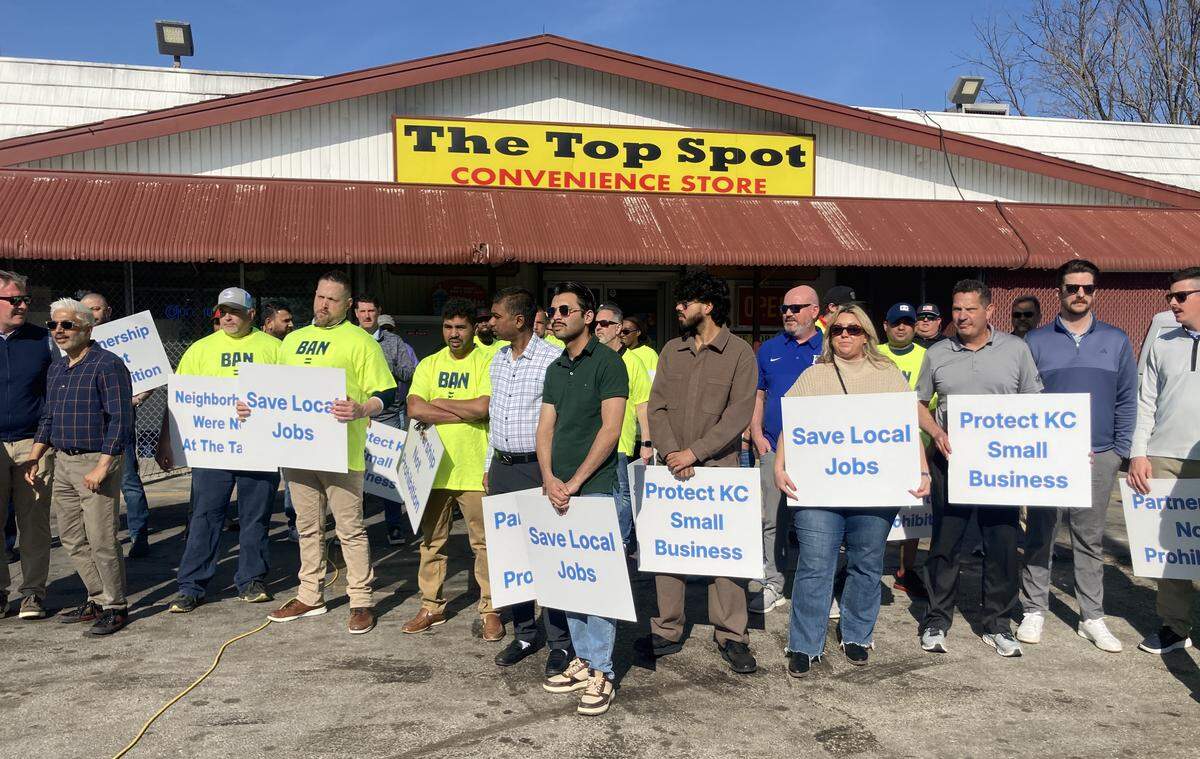
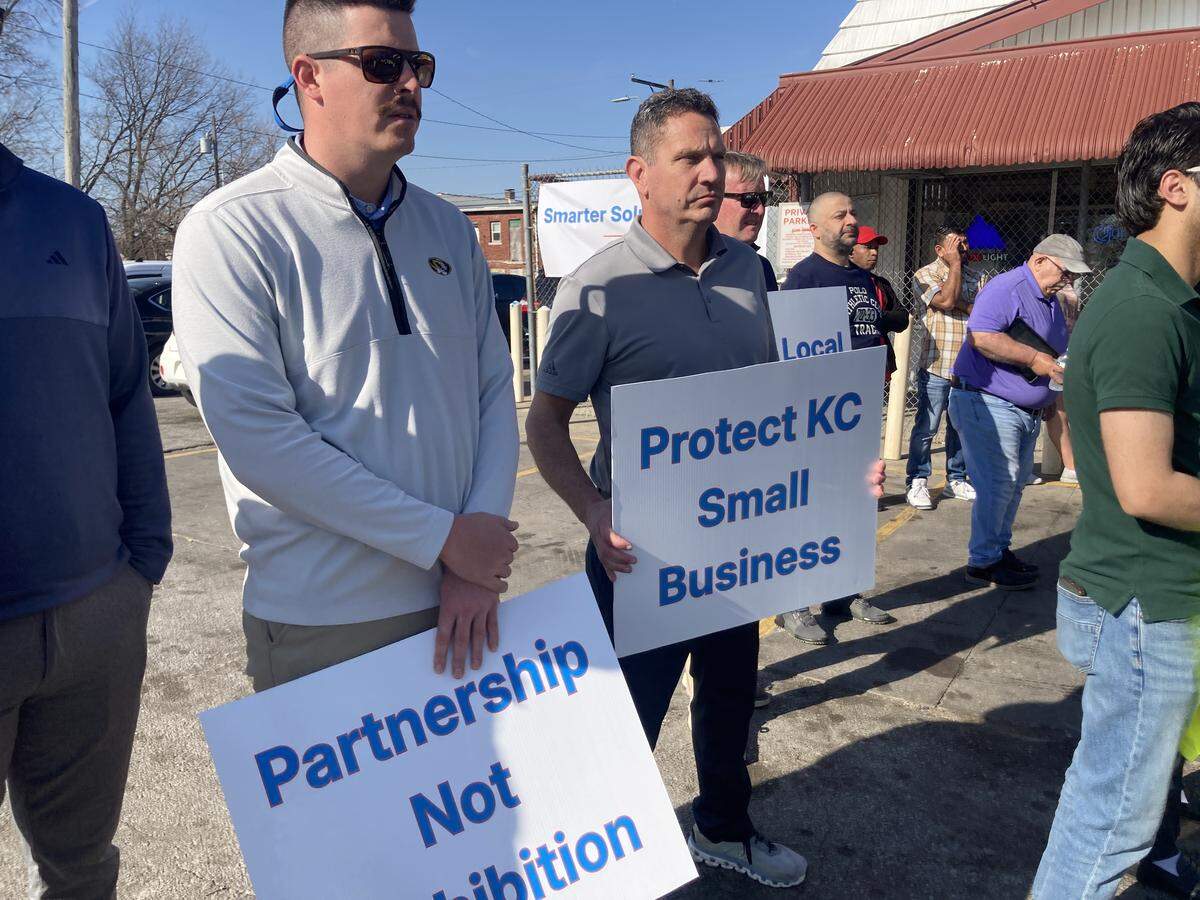
Owners of liquor and convenience stores, as well as beer and liquor distributors, vehemently oppose the proposed ban which, as currently written, would shut down sales in five major areas of the city defined as “retail alcohol impact areas.” They include downtown, midtown, and along the Prospect Avenue, Independence Avenue and Blue Ridge corridors.
The amendment, however, would not ban the sale of the products in grocery stores in those areas, an exclusion which opponents see as arbitrary and patently unfair.
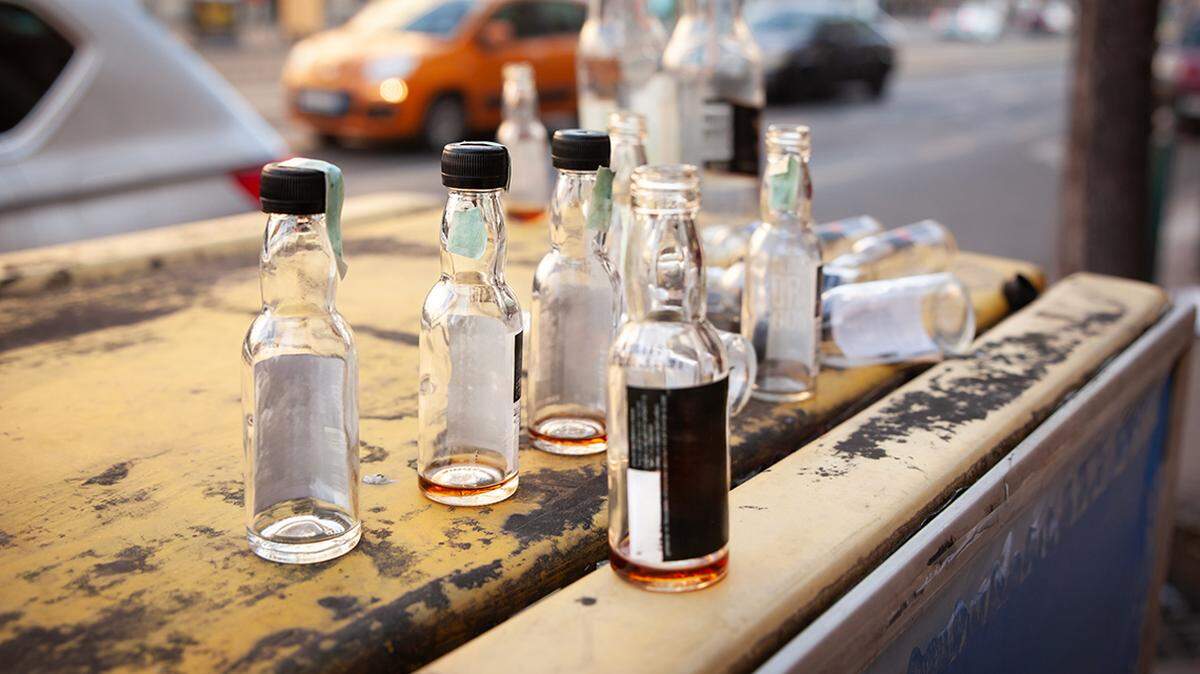
Pass the ordinance, opponents claim, and it will rob them of between 30% to 50% of their sales, shutter stores, put hundreds of employees out of work and, to their way of thinking, do next to nothing to stop crime or drunken disruptions. People set on drinking will just buy bigger bottles, they say, arguing that the problem is not one of liquor sales, but of police enforcement of existing laws.
Exactly how a vote will go is uncertain.
The Urban League of Greater Kansas City is in support of the ordinance, as are several neighborhood groups, that include the Plaza Westport Neighborhood Association, the 38th Street Task Force, representing neighbors in Valentine and Old Hyde Park, and the Santa Fe Neighborhood Association.
But City Council members so far seem split on the amendment.
On March 31, at a meeting the council’s Finance, Governance and Public Safety Committee, chaired by 6th District At-Large Councilwoman Andrea Bough, four of the five members of the committee argued that it needed tailoring. Only one member, Lucas, supported it. But three other council members who attended the meeting — Robinson, 3rd District At-Large Councilwoman Melissa Paterson Hazley and 6th District Councilman Johnathan Duncan — argued in favor of it.
At the conclusion of the meeting, the committee sent the amendment on to the full council for discussion but without a recommendation on whether to pass it.
What the research says
As part of their discussion, the council members have been presented a package of research on the topic.
Here is the research and what it concluded:
- A 2015 paper published in “Frontiers in Public Health”: The paper, titled “A Review of Existing Studies Reporting the Negative Effects of Alcohol Access and Positive Effects of Alcohol Control Policies on Interpersonal Violence,” was conducted by Canadian researchers. It looked at 87 studies, conducted between 1950 and 2015, on the effect of alcohol tax, price, density of stores, and hours of sale on violent injury or crime data. It did not look specifically at the banning of mini liquor bottles or the prohibited sale of single containers of beer or malt liquor. The paper concluded that “increasing price, limiting the hours of sales, and restricting the number of establishments are effective policies for alcohol-attributable violent injury/crime management.”
- A 2003 paper, titled “Bus Stop - Environment Connection: Do Characteristics of the Built Environment Correlate with Bus Stop Crime?” The authors, from the University of California Transportation Center, were looking to see if surrounding environment was predictive of violence at bus stops. Higher crime rates were found at bus stops in areas with liquor stores, vacant buildings and lots, rundown buildings and areas with proportionally greater litter.
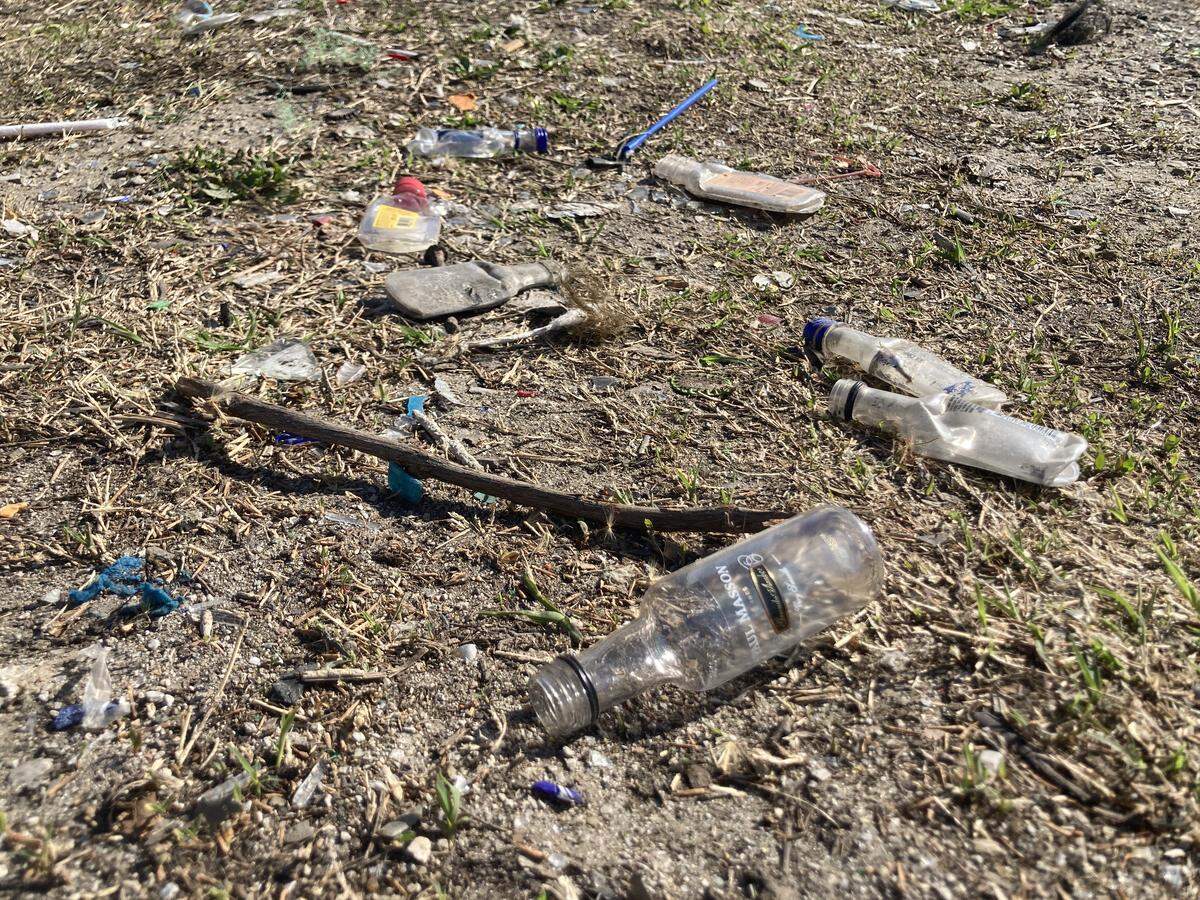
- A 2011 paper in “Drug and Alcohol Review” with a paper titled, “The impact of retail practices on violence: the case of single serve alcohol beverage containers.” The authors looked at the “role that sales of single serve alcoholic beverages plays in violent crime in surrounding areas.” They charted the amount of shelf space devoted to single serve containers at liquor stores in San Bernardino, California. Results shows that the correlation between the amount of space given to single serve containers and violent crime. A 2009 report, “Post-Assessment, Seattle, Washington Alcohol Impact Areas,” prepared for The Washington State Liquor Control Board and the city of Seattle. Seattle instituted its first Alcohol Impact Area in 2003 and other voluntary areas followed. In 2006, the city of Seattle passed an ordinance designating two core areas of the city as Alcohol Impact Areas, where the sale of 34 brands of high-alcohol content, low-price beer and wine products were banned. The assessment showed that, over the intervening years, fewer ambulance calls in those areas, fewer police calls for alcohol-related incidents, positive reports from residents, positive reports from retailers, “no evidence of any systematic decline in taxable retail sales between 2004 and 2008.” Multiple neighborhoods are now designated as Alcohol Impact Areas.
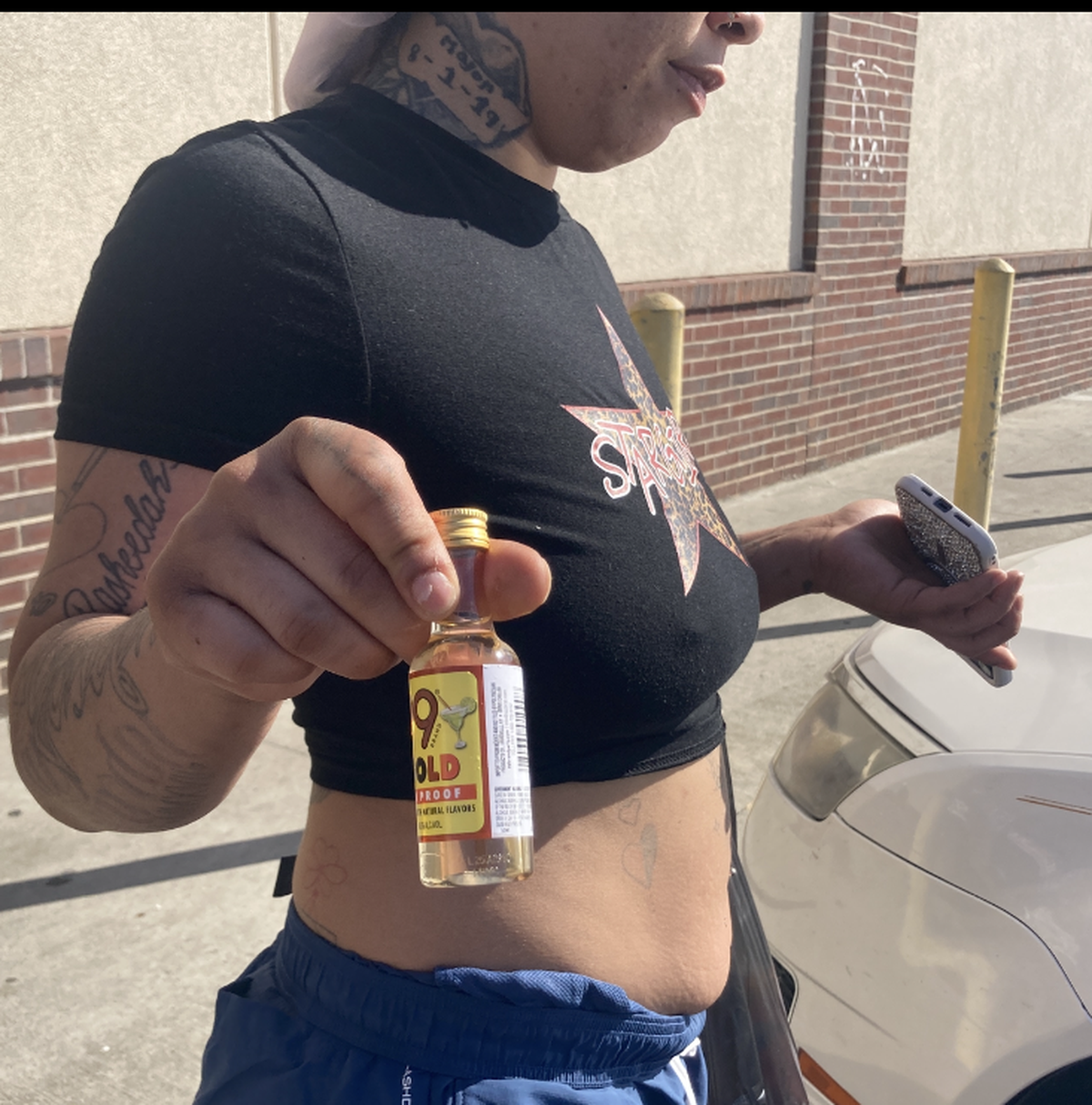
- A 2021 report, “Preventing Violence in American Cities with Safer Alcohol Sales,” put out by the de Beaumont Foundation and Kaiser Permanente. The report starts with premise that research shows that violent crime increases when city neighborhoods have a high density of places that sell or serve alcohol. The neighborhoods have more homicides, aggravated assaults and sexual assaults, “even after accounting for aspects of neighborhood disadvantage.” The report notes that cities that pass and enforce strong alcohol sales policies “are safer and better poised to tackle myriad crises.” Among suggested options: banning particular products or sizes, such as no malt beverages larger than 18 ounces and no mini liquor bottles, limiting hours and days of alcohol sales, requiring distances between alcohol outlets and places such as schools, playgrounds and churches.
- A 2023 paper published in the journal “Drug Alcohol Dependence.” Titled “Effects of Restricting Alcohol Sales on Fatal Violence: Evidence from Sunday Sales Bans,” the paper, put out by researchers at the Rand Corporation, looked at homicide and suicide data between 1990 and 2019 across the United States. The study found no effect on the rate of suicides, but showed higher rates of homicides and gun homicides in places where Sunday bans on alcohol sales has been repealed. The authors concluded: “Restricting alcohol availability may prove a useful social policy tool to reduce homicides, given that day-based restrictions are associated with changes in deaths.”
- A 2009 study in the “American Journal of Preventive Medicine” titled “The Effectiveness of Limiting Alcohol Outlet Density As a Means of Reducing Excessive Alcohol Consumption and Alcohol-Related Harms.” The authors looked at the effect of the density of alcohol retail stores on crime. The paper concluded that the “regulation of alcohol outlet density may be a useful public health tool for the reduction of excessive alcohol consumption and related harms.”
- A 2017 paper published in the “Journal of Public Health” titled “The Impact of Single-Container Malt Liquor Sales Restrictions on Urban Crime.” The authors, from the University of Minnesota, looked at before-and after crime rates in parts of Minneapolis and Washington, D.C. where sales of single containers of malt liquor of various sizes were restricted. The results were dependent on the specific city areas. In two of six Minneapolis areas, overall crime decreased 43% and 56% respectively, while, in all other areas, overall crime rose. In one area it went up 13%. While vandalism decreased in five of six study areas, disorderly conduct was too common to show any significant decrease. In Washington, the researchers found little difference because crime in the city overall rose during the study period.
- In 2018, the researchers expanded their study to look at 10 cities. Their result: “For individual crimes (e.g. assaults, vandalism, disorderly conduct) we found mixed results as more restrictive malt liquor policies were significantly associated with decreases as well as increases in crime.”
This story was originally published April 8, 2026 at 12:16 PM.