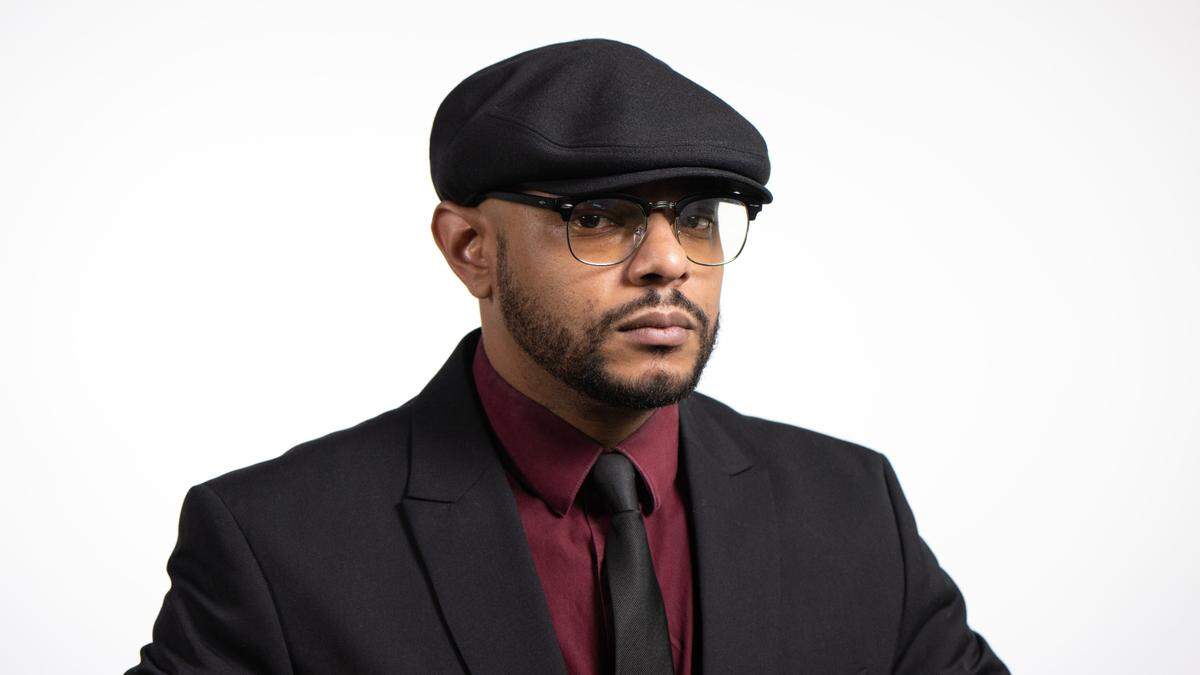
Black cowboy from KC featured in Jordan Peele documentary: ‘Surreal moment’
Kansas City-area Black cowboy, author and historian Trae Venerable has spent the last decade fighting to correct a story he says America keeps getting wrong: Black cowboys are not a rarity, an anomaly or a modern diversity, equity and inclusion invention. They never were.
Black cowboys are the original cowboys and their legacy is still alive in families like Venerable’s own, and on ranches and in riding communities here and across the country.
Now, thanks to renowned actor, director and producer Jordan Peele, Venerable gets to take that message to a national audience as a featured voice in “High Horse,” a documentary series produced by Peele. The documentary spotlights the hidden history of Black cowboys and the communities that have carried the culture forward.
For Venerable, Peele’s film project is a continuation of work about Black cowboy life that has already drawn some national attention. The documentary expands that spotlight beyond the Midwest, putting Venerable inside a larger conversation about who gets included in the story of the American West.
“It was definitely a surreal moment,” said Venerable, describing what it felt like to be contacted by Peele’s team. “Growing up, I’ve always loved Key and Peele… so it was cool to be like, oh, Jordan Peele wants to work with you, his team.”
Venerable’s first contact with Peele’s team came through his website. They reached out to him about a year and a half before filming started. They became aware of him through his established public persona he built through the books he has written and his work telling the story of Black cowboys. In July 2024 The Kansas City Star featured Venerable in a story about Black cowboys that later earned a Salute to Excellence Award form the National Association of Black Journalists.
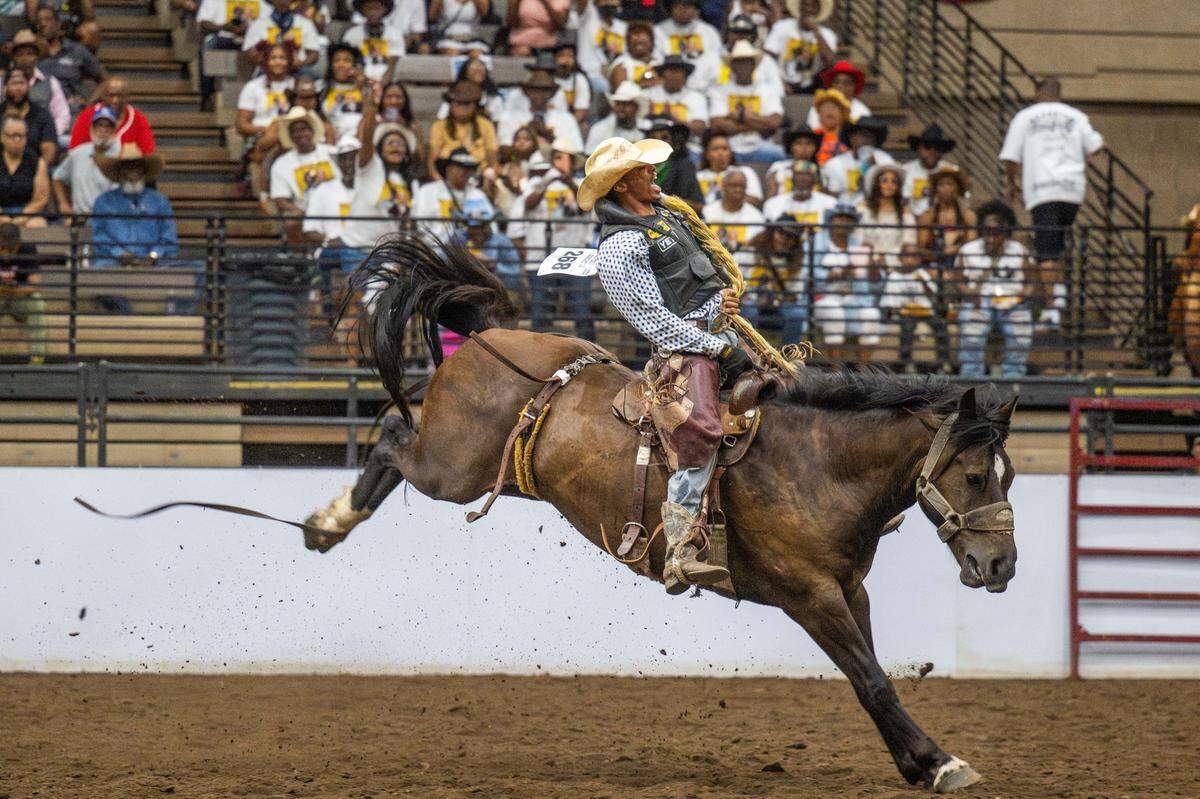
Making a connection
“They found me because of my community engagement, talking about the story about the Black and brown cowboy, keeping that story alive,” said Venerable. “It was definitely really based off all the work.”
He described a production process with multiple layers. The larger production was anchored by Peele’s company, he said, but different producers worked under that umbrella.
His contribution went beyond a single interview. Producers spent hours recording his on-camera conversation.
“They interviewed me for about four to five hours of content for historical questions and my family,” said Venerable. “I gave a lot of resources, just out of my archive and family’s archive… different pictures and old books.”
Venerable traveled to Los Angeles for the filmed interview, but he said the lead-up involved constant communication across video calls, phone calls and texts. He described a production team that moved with precision and treated the story with seriousness.
“I actually thought I was going to be in there a little bit longer,” said Venerable. “But I’m grateful that I’m in it.”
What mattered most to him was the documentary correcting the wild west narrative that erased Black cowboys. Venerable said the goal was not to frame Black cowboy history only through pain or exclusion, but through endurance and achievement, including families – like his own —who stayed connected to land and livestock long after emancipation.
It’s not a trend
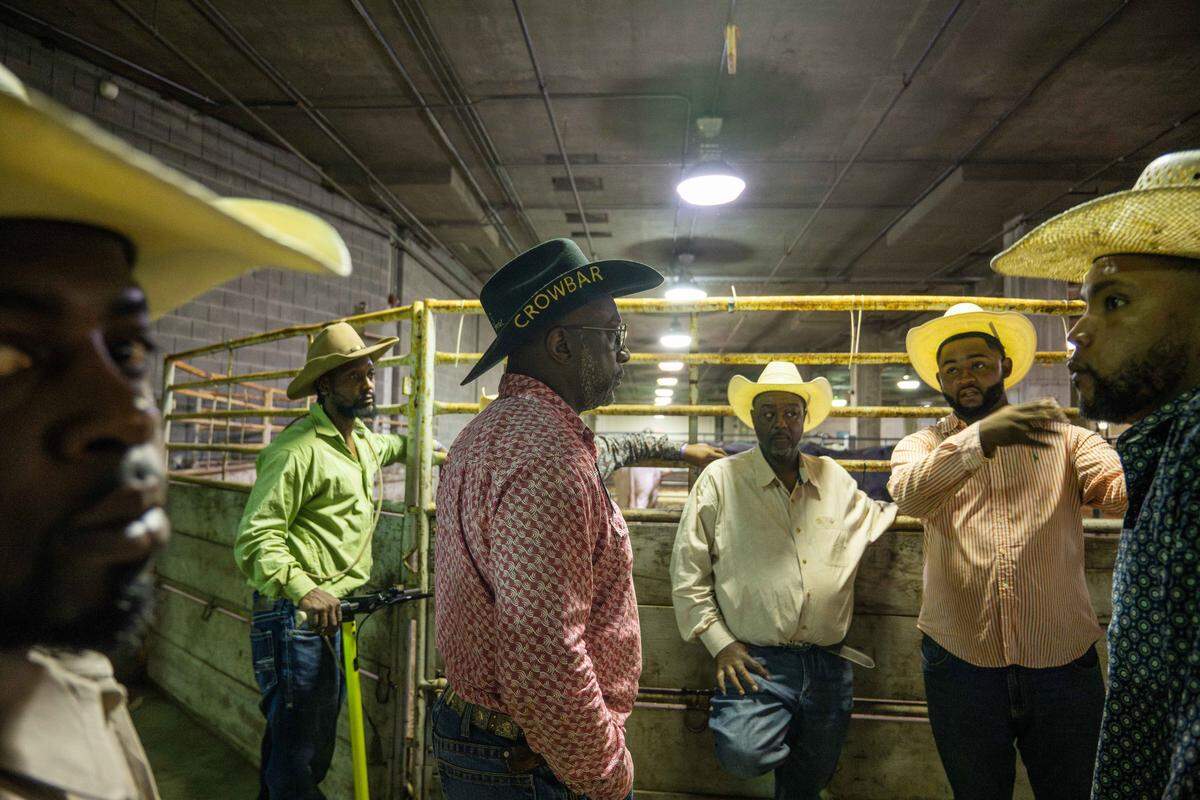
“Even though our story’s been pretty much erased… we’re bringing it back to the forefront,” said Venerable. “We’re not victims by any means. We’re more than conquerors.”
Venerable hopes the series reaches viewers who never learned that history in school, especially Black viewers who were taught a narrow version of the past.
He said telling the story publicly carries weight because it addresses the lasting effects of slavery and Jim Crow, along with the systemic racism and everyday racial slights that many Black families continue to experience.
“These are not just things that are in a history book,” said Venerable. “Those are real things that real people dealt with, and my lineage dealt with.”
Since the series began circulating, he said feedback has been overwhelmingly positive, receiving a number of phone calls, emails and messages on social media after its initial airing on Nov. 20.
Still, he worries about what happens when a culture becomes a trend. He said the Black cowboy story is receiving more mainstream attention than ever, but visibility can bring commercialization that strips away truth.
“Right now it’s so commercialized, or it’s becoming more commercialized,” said Venerable. “I just don’t want people just to look at it as a commercial thing… be true to that life, that lifestyle, that community.”
For Venerable, “High Horse” is not an endpoint. It is another tool in a larger mission, one he says has always been rooted in heritage, education and keeping the record straight, from Kansas City to the national stage.
He wants audiences to leave with pride and direction, not just information.
“You’ve got to go back to go forward,” said Venerable. “We really need to understand where we came from and how we’ve triumphed over the generations.”
This story was originally published December 31, 2025 at 9:42 AM.