Black KC Power & Light employee says he was discriminated against and fired
AI-generated summary reviewed by our newsroom.
- Former employee alleges race, age and disability bias in 2024 termination
- Lawsuit claims unequal treatment, hostile work environment and retaliation
- Cordish denies wrongdoing; state issued right-to-sue notice in June 2025
For 15 years of his life, the Kansas City Power & Light District was the place Cashus Riley chose to make his living.
That was until, a lawsuit now contends, he faced such on-the-job discrimination that it became the source of his humiliation.
On Friday, Riley, who is Black and 69, filed a race, age and disability discrimination lawsuit in Jackson County Circuit Court, naming as defendants the Cordish Companies of Baltimore, Maryland, creater of the KC Power & Light District, together with co-defendant CTR Management, which hires maintenance, housekeeping and groundskeeping for Cordish.
In a statement to The Star, the Cordish Companies insisted the company engaged in no forms of discrimination.
“We deny Mr. Riley’s allegations,” a statement from the Power & Light District says. “Mr. Riley worked in facilities at the Kansas City Power & Light District for nearly fifteen years. He was treated in a lawful and fair manner throughout his employment. The Kansas City Power & Light District is committed to equal employment opportunity and maintains workplace policies against discrimination, harassment, and retaliation.”
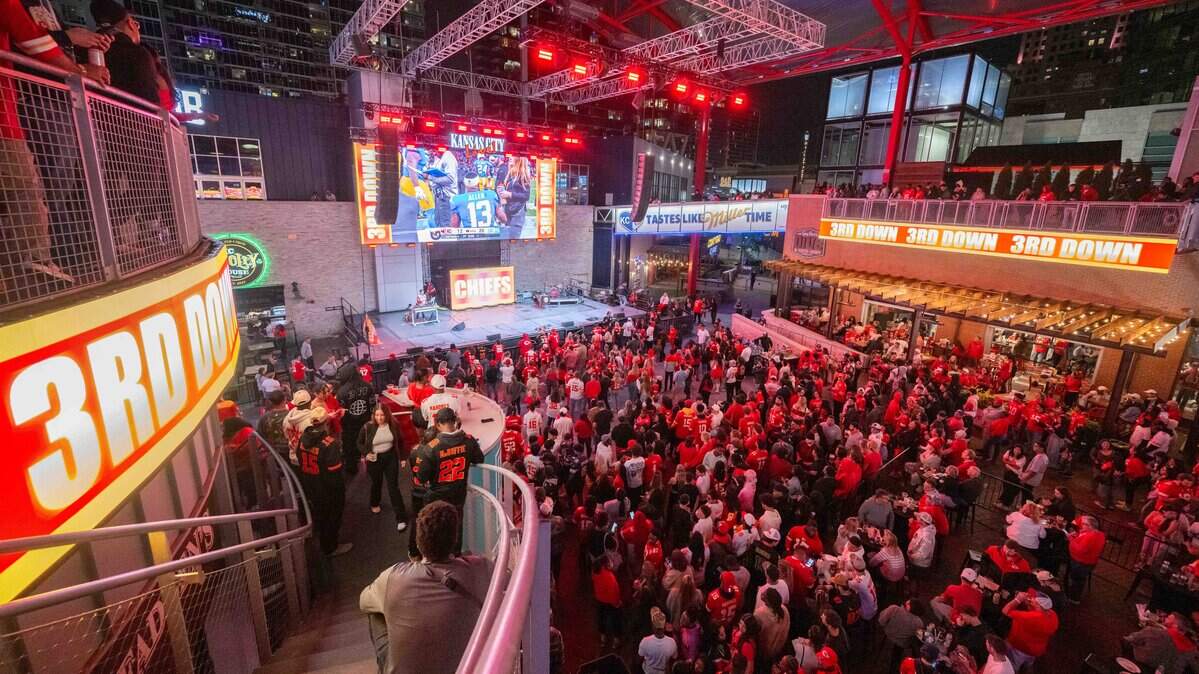
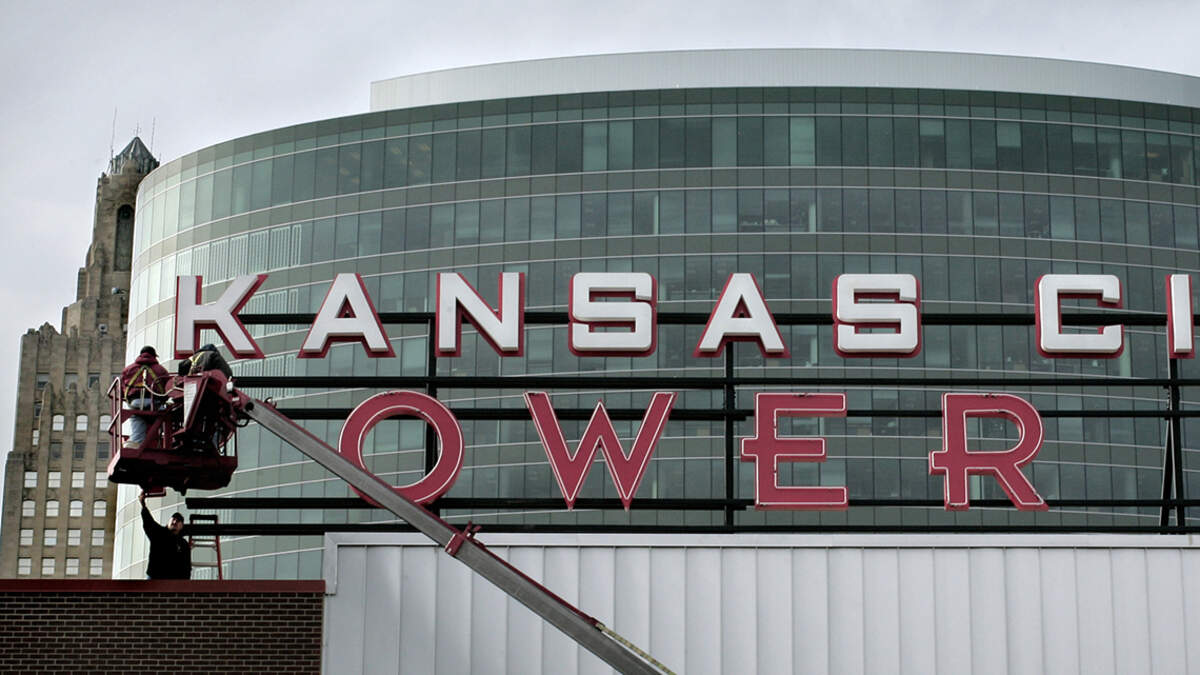
Kansas City Power & Light District
In his suit, as filed by Kansas City attorney Nikalaus Seacord of Siro Smith Dickson PC, Riley as the plaintiff claims, “Defendants subjected Plaintiff to illegal race, age and/or disability discrimination, including a hostile work environment.”
It added later: “Defendants’ actions and conduct were willful, wanton and malicious.”
Contacted by The Star, Seacord said his firm’s policy is not to discuss ongoing litigation. He also did not make his client, Riley, available for an interview.
As laid out in the suit, Riley first began working for Cordish in 2008, before the KC Power & Light entertainment district had been fully built.
His job was as a facilities manager, dealing with maintenance, groundskeeping and housekeeping in the nine-block district. He left his position in 2011, but returned in 2012 working for a total of about 15 years before he was fired on July 24, 2024.
The suit alleges that throughout his tenure Riley performed his duties as outlined and “exceeded the expectations of his position, and received raises, praise and excellent reviews for his work.”
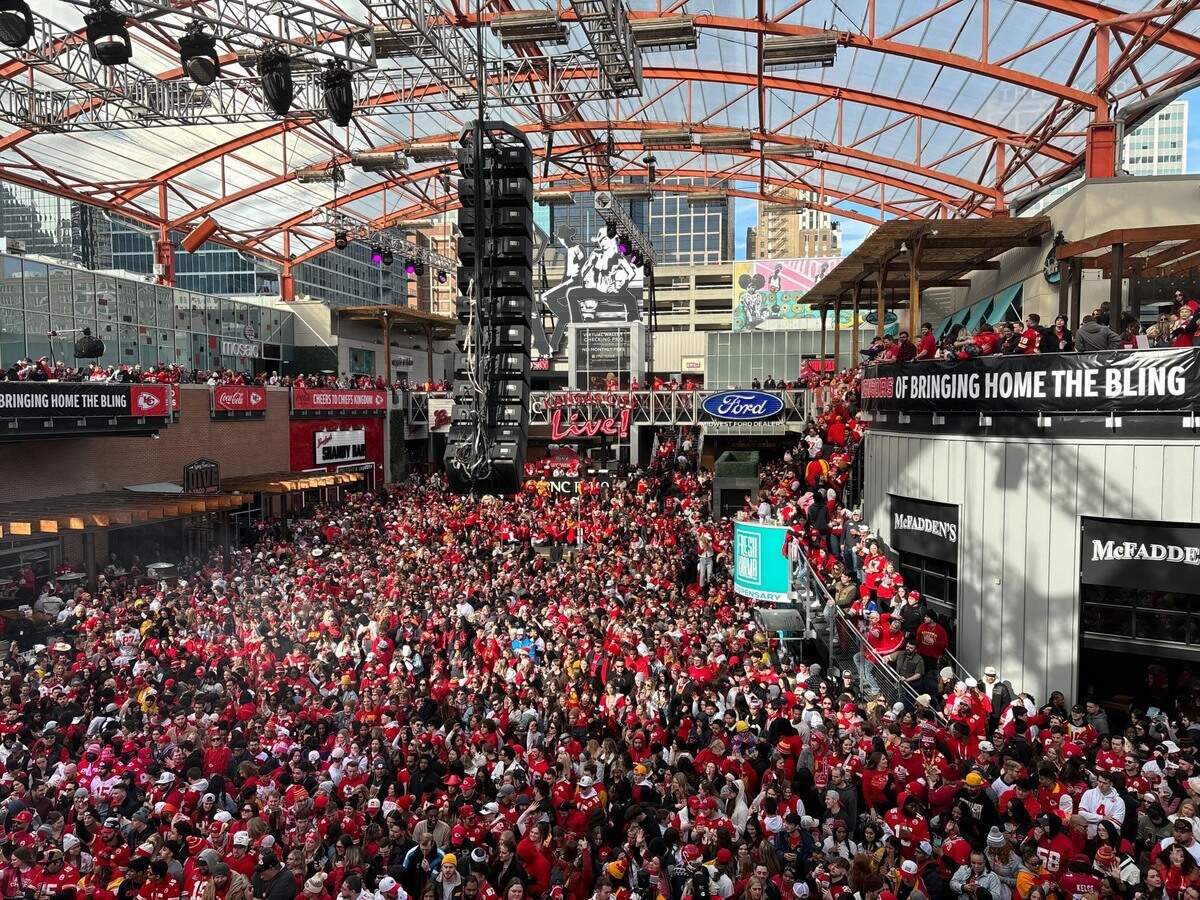
Entertainment district in downtown KC
In March 2020, as the Power & Light district and KC Live! were preparing for the Big 12 men’s basketball tournament, COVID-19 struck. KC Live! shut down and, the suit says, the demands of the job changed.
It says Riley stayed on but was tasked with helping the district’s management lay off crew, paring the maintenance, groundskeeping and housekeeping down to “essential employees.”
He claims that, throughout his employment, he felt the district’s maintenance, groundskeeping and houseskeeping staffs were, “subjected to generalized lack of respect, empathy and/or fair treatment.”

The suit claims that while most of the district’s administrators and corporate management were “almost exclusively Caucasion” the staff making up maintenance, groundskeeping and housekeeping were “almost entirely Black or Hispanic.”
New hirees for his staff, Riley alleges, were often “unskilled or untrained.”
Racial discrimination claims
In 2022, work became more strenuous, he claims, when a co-worker with whom he shared facilities management duties died. After the death, Riley maintains that he was expected to assume both roles. In that same year, Riley notes that his direct supervisor was also terminated.
That supervisor, the suit says, was replaced by a younger “underqualified, Caucasion employee” whom Riley, although in a suburdinate position, was called on to train.
When the district eventualy rehired another facilities manager to replace the employee who died, the suit says the facilities manager — described in the court filing as a former bartender who was white — was believed to be a friend of one of the district’s vice presidents.
“In any event,” the suit says, “the new facilities manager had virtually no job-related skills or training relevant to the facilities manager position. Nonetheless. . .the younger, less qualified worker was paid the same, or more than (Riley).”
Simply put, the suit alleges, “from the time the new facilites manger was hired in 2022, and the end of the Plaintiff’s employment in 2024, the new facilities manager rarely performed any of the actual hands-on maintenance tasks associated with his role, and instead bacame a second, younger, Caucasion supervisor to (Riley) and his small, three-man, primarily African-American maintenance crew.”
Riley, the suit alleges, continually raised concerns that his workers were being overused and overworked largely because the other facilities manager “was incapable of carrying his own weight,” creating in Riley “work-related anxiety and stress.”
In 2023, another maintenance employee, who was also white, was ultimately hired. Riley helped train the new employee, although, the suit says, Riley’s crew warned him that he was likely training his new replacement.
Feeling pressed to retire
Riley in the suit maintains that in late 2023 he was called to a meeting with the district president who repeatedly asked Rily how long he expected to work and when he was thinking of retiring.
Riley, the suit says, responded that althought he did not want to retire until age 70, the president “pushed back,” encouraging him to think about retiring earlier. Riley also used the meeting as an opportunity to complain about what he believed to be his own supervisor’s preferrential treatment of the new “unqualified, Caucasion facilities manager.”
Then, in December 2023, the suit says, Riley fell and injured his knee, back and tailbone. He reported the injury and consulted a physician. A month later, in January 2024, knee surgery was recommended. Riley did not get it, but instead returned to work.
He said he did, however, ask to use one of the facility’s golf carts to help him travel around the nine-block Power & LIght district. He claims he was denied use of a cart or a work truck and instead had to either walk or use his own vehicle.

That December, the suit notes, members of the district’s maintenance, housekeeping and groundskeeping crews (the majorty of whom were Black of Hispanic, the suit says) found out they were no longer invited to the annual holiday party. Holiday bonuses were also cut in half, Riley alleges, at a greater rate than the cuts for the predominantly white administrative and corporate staffs.
‘Future with the company’
Also in January, Riley alleges that his supervisor asked to meet with him to “discuss (Riley’s) future with the company.”
The supervisor allegedly revealed that he had heard that Riely had complained to the district’s president about what he claimed to be unequal treatment of him.
Riley claims he asked whether the new employee was hired to replace him. The supervisor, the suit claims, “denied that as the ‘only’ reason for the hire, but admitted the new hire was part of the district’s long-term ‘contingency’ plan,” for when Riley retired.
The supervisor again allegedly asked Riley when he planned to retire.

For the next seven months, Riley continued to work with ongoing pain, the suit says . It claims that the company did not provide him with any accommodations for his injury.
Trousers, concert, firing
On July 19, Riley says in the suit, he was in his underground office, seated at his desk and with his door closed when he lowered his trousers to his knees, with his boxer shorts on, to apply ointment to his knee. He claims that, without knocking, an employee entered.
“The employee was unable to see anything ‘revealing.’” the suit says.
One day later, July 20, 2024, Riley was attending a concert at KC Live! The suit claims that an accountant who worked for the district was also attending the concert and asked Riley if he could help her find some stools for her and her friend. He said he spoke to the manager of a KC Live! bar who offerred two stools.
Soon after, Riley said, he received an email from a district vice president and a call from his supervisor asking him why he was at an event on his day off, and why he had taken the stools from a KC Live! bar and allowed them to be used by “the public.”
Riley said that when he explained that he had retrieved them for employees, he was told by the supervisor that if he did not immediately return the stools that the supervisor would have him arrested. Riley maintains he returned the stools.
On July 22, Riley filed a formal complaint regarding what he considered to be the supervisor’s “belligerent and inappropriate” treatment of him.
Two days later, on July 24, 2024, Riley was fired.
He cliams he had never been written up, suspended or subjected to any previous formal corporate discipline.
Seeking unspecified damages
“The true reasons for the discriminatory and retaliatory employment actions of Defendants against the Plaintiff and all those who are similarly situated,” the suit maintains, “were illegal race, age and/or disability discrimination, and/or retaliation for protected activity including reports of discrimination, retaliation, and work injuries.
“These illegal actions were caused, aided, abetted, directed, incited, compelled and/or coerced by the Defendants due to illegal discrimination and/or retaliation.”
In December, Riley filed a charge of race, color, age, sex discrimination and retaliation against Cordish with the Missouri Commission on Human Rights. On June 17, the commission issued a Notice of Right to Sue to Riley, an administrative step before filing a lawsuit.
The suit is seeking damages, claiming that Riley endured, “Lost wages, lost fringe benefits, loss of earning capacity, loss of career opportunity, costs of seeking alternative income, pain and suffering, mental anguish, loss of enjoyment of life, humiliation, upset and other emotional distress, damage to his reputation, diminished job opportunities.”
Cordish, court documents show, has yet to file a response to the petition for damages.