
Before Travis, there was another Kelce who was a big deal in Kansas City
A few years ago Travis Kelce revealed that the proper way to pronounce his name was “kels.” He also acknowledged it would be a hard change for people to make.
Ironically, not so long ago Kansas City had its own prominent, extremely successful Kelce who actually did pronounce it that way.
But almost no one remembers him now.
That man is the focus of “The Other Kelce,” the newest installment of the Star’s Reel Rare video series.
It’s an amazing story centered around old films found by Joe Tomelleri. Joe is a scientific illustrator by trade, who also collects vintage cameras and films.
He buys 16mm movies (sight unseen) from eBay and other online sellers. There’s often very little information provided about the reels, which cuts down the cost.
A few years ago, Joe acquired some films he believed might have been shot in Virginia. He popped one on his projector, and quickly realized the terrain looked wrong. Then he noticed a truck with lettering that said “Merryvale Farm, Grandview, Missouri.”
Armed with the internet, Joe started searching..
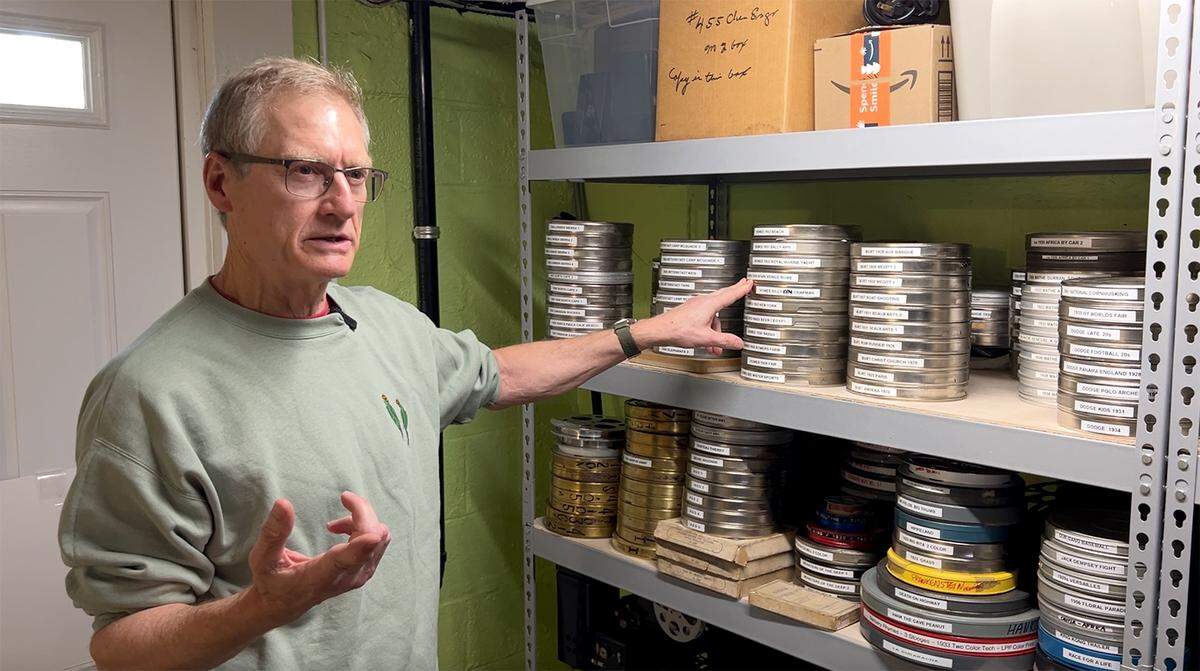
He learned that this Merryvale Farm was located south of Martin City, east of Holmes Road on the old Highway 150.
And that in 1940, the 400-acre parcel had been purchased by one L. Russell Kelce, who raised shorthorn cattle and horses on it.
This Kelce wasn’t your typical rancher though. As Tomelleri discovered, he was a coal miner from Pittsburg, Kansas, who’d taken his first mining job at the age of 12.
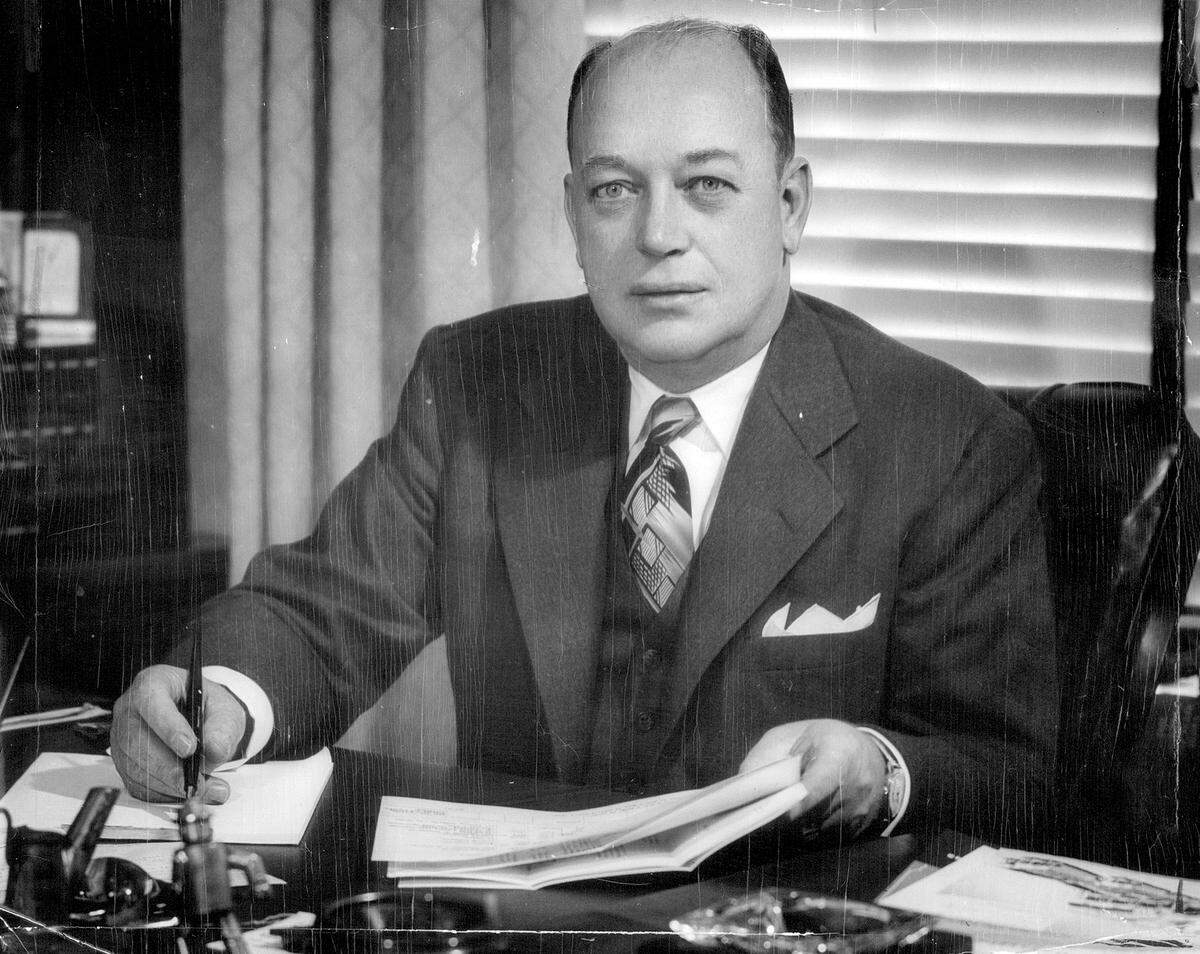
Kelce moved up the ranks unusually quickly—he was promoted to mine supervisor at 19. After serving in World War One, he used his strip mining savvy to strike a deal that fast-tracked him into the energy business.
He moved first to Tulsa, then in 1932 came to Kansas City with his wife Gladys and young son, Robert. They lived at 626 W. 68th Terrace.
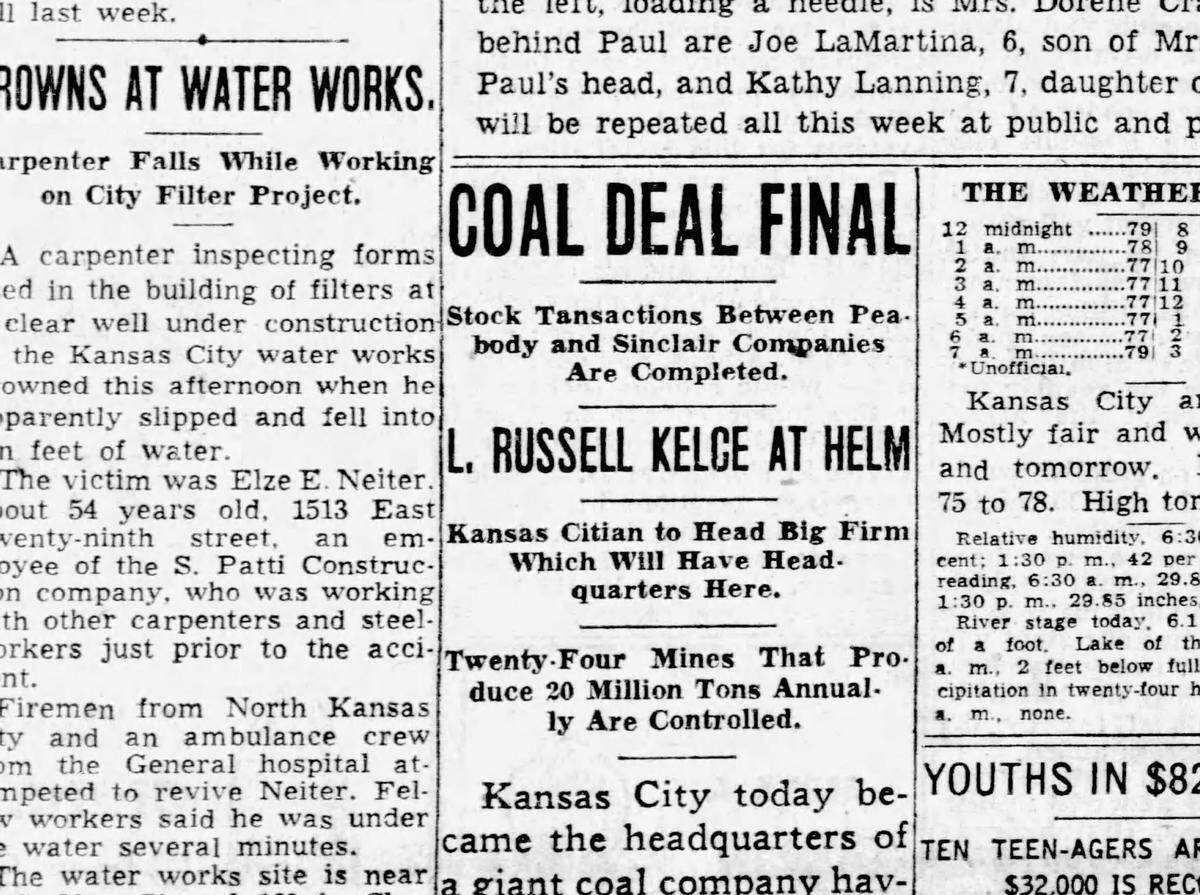
Russell and his partner, Grant Stauffer, proceeded to build Sinclair Coal into an industry giant. (Sinclair later merged with Peabody Coal, and Kelce became its president.) Along the way, he also became one of Kansas City’s most visible movers and shakers.
Judging from newspaper accounts at the time, Tomelleri concludes that Kelce “had his finger in everything.”
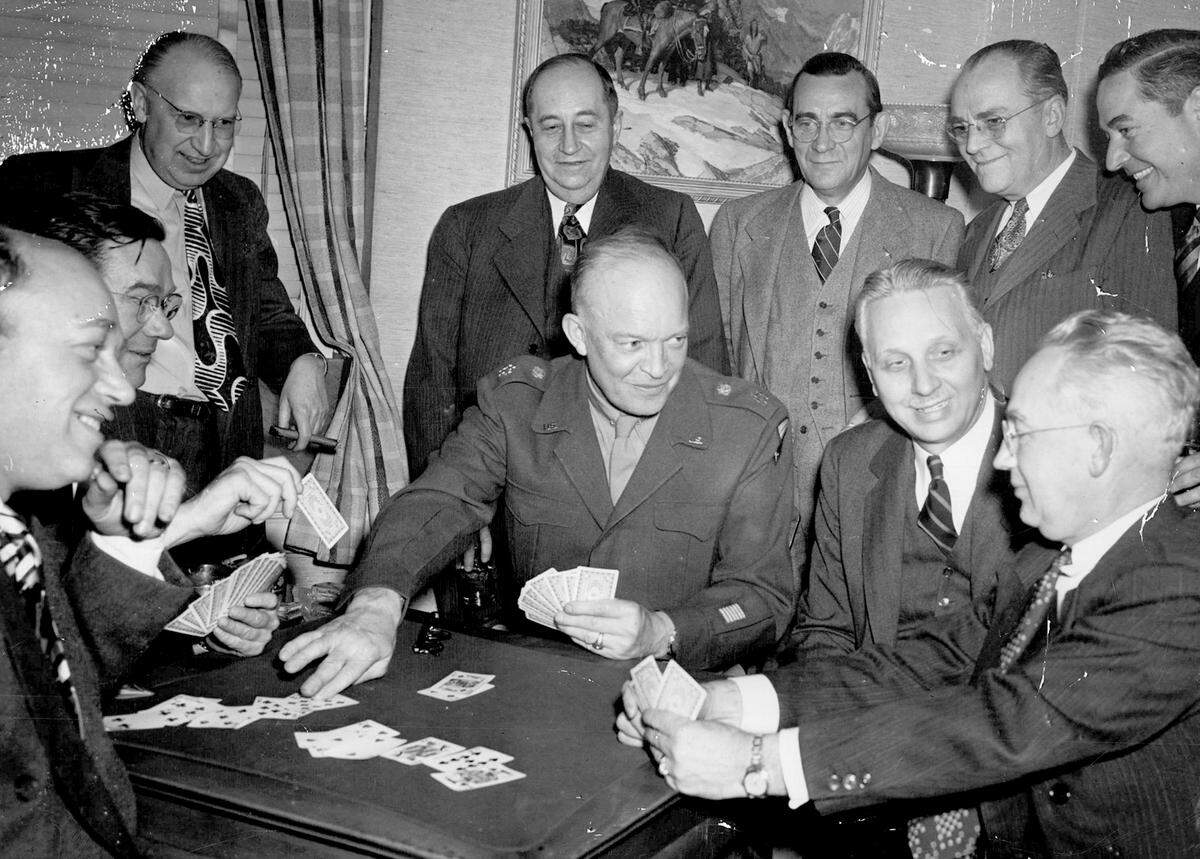
The man also liked to travel. And he documented it on other home movies that ended up in Tomelleri’s hands, including reels of trips to Yellowstone National Park, Mexico, Mackinac Island and other exotic locales. He even owned an island in Canada, where he took hunting and fishing trips, often bringing employees along with him.
A 1950 article in WHB’s “Swing Magazine” noted that even as Kelce’s fortunes grew, he remained remarkably accessible, personally answering every phone call that came his way.
Over time, Kelce added more and more land to Merryvale, eventually reaching 100,000 acres. Showing shorthorns became his pride and joy.
Home movies from the ranch in 1947 capture everything from livestock auctions to family gatherings, snowball fights and maybe most prophetically, football on the lawn with teenage son Robert and other members of the Kelce clan.
But the vigorous man shown in those clips didn’t make it to 60. L. Russel Kelce died in 1957 at the age of 59. His passing was noted in the New York Times and on the front page of the Kansas City Star. The estimated value of companies he presided over at the time was $100 million.
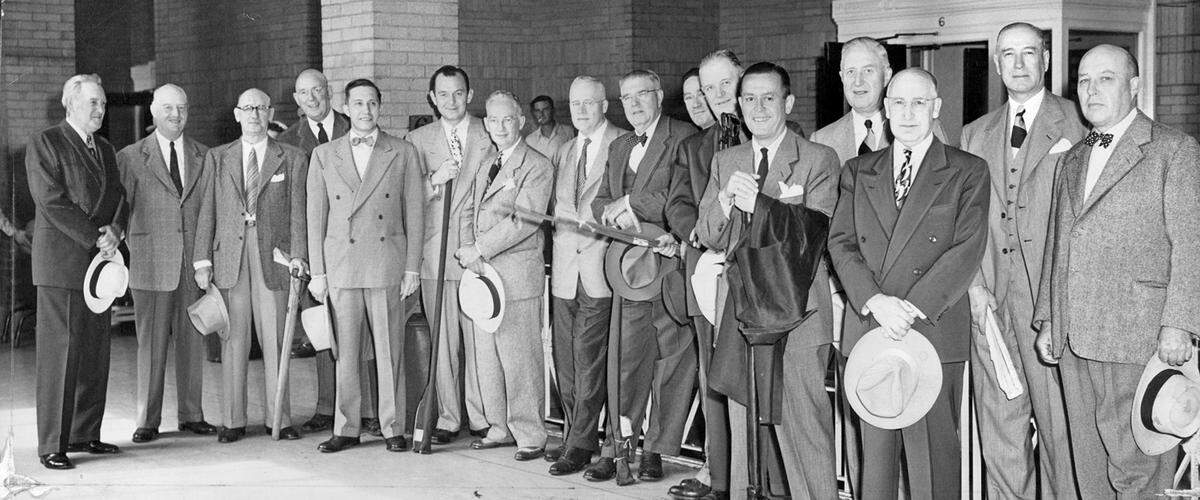
Kelce’s estate left large sums to local hospitals and charitable organizations, but 68 years later, there’s virtually no physical evidence of his once formidable presence here.
Pittsburg State University on the other hand has two buildings on campus that say Kelce . One is the planetarium, which opened with Russell’s name on it in 1964. The Kelce College of Business, named for his widow Gladys, has been operating in Kelce Hall since 1975.
In the meantime, Merryvale, which got all this started, has all but vanished. The stately English-styled home and outbuildings have all been bulldozed. Only with the help of a curious neighbor could we find the distinctive row of maple trees that lined the long driveway which once ushered in such notables as the President of Mexico..
As fun as it is to unravel this mystery in words, it’s even better when you can see the featured players moving around onscreen. Thanks to Tomelleri’s discoveries and dogged research (along with his son Sam’s stellar job of digitizing the films) you have a rare opportunity to do just that.
Having trouble seeing the video? Watch it here.
Looking for more Kansas City history?
Remember Harvey, the mechanized baseball assistant that popped out of the ground at A’s game?
Why was there a rocket ship on the roof of TWA’s headquarters?
It’s been almost fifty years since the worst fire in KC’s history.