KC water is odorless and back to normal, officials say. But it could occur again
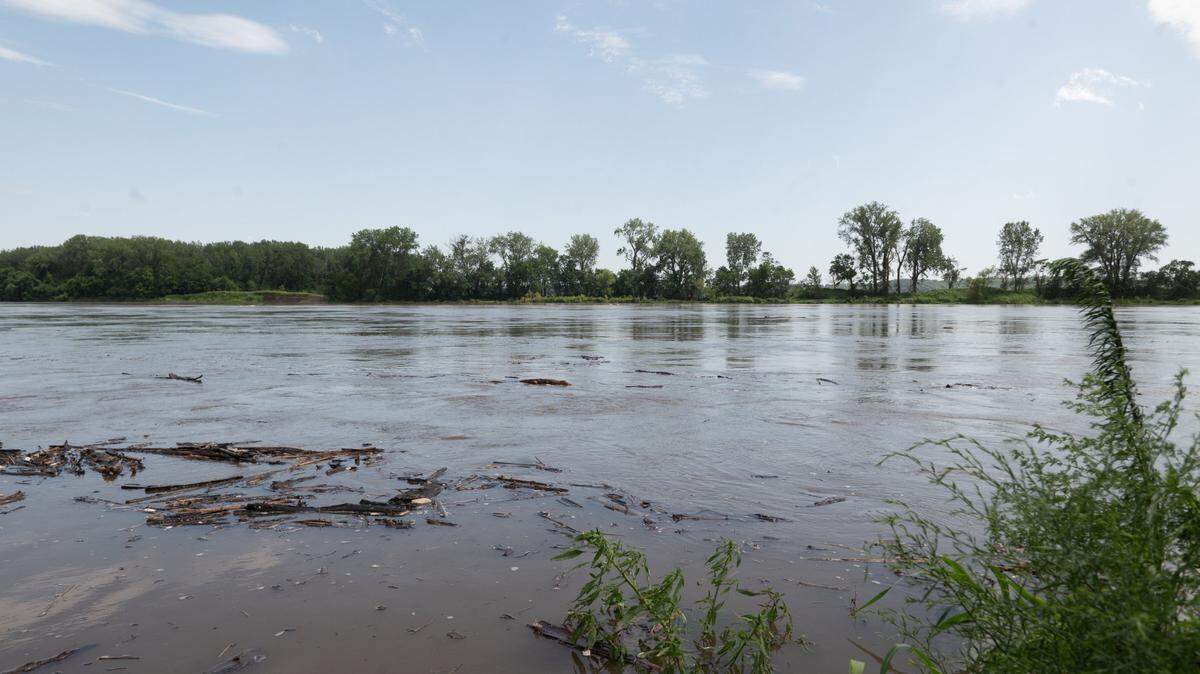
KC Water says Kansas City’s water has returned to normal, but the possibility of water-taste events like this occurring is becoming more likely.
On June 29, KC water reported a change in odor and taste of Kansas City’s water, caused by heavy rains that hit north of the area. This caused excess runoff change the Missouri River’s composition, KC Water said in a news release.
Now, they say the problem has been resolved.
“All indicators of the quality of water being pulled in from the Missouri River are back to typical levels and have been there since early last week,” KC Water’s treatment plant staff said Monday in a statement.
KC Water manages over 2800 miles of water mains, so there may be a few outliers still experiencing off-tasting water at the edges of the water system. KC Water guarantees that the outliers will clear up as water continues to move through the system, according to their statement.
It’s expected that events like these happen seasonally when snow melts in spring or during the rainy season, said Jarreck Lucke, the utility manager over operations for water supply.
“What is not normal is when, let’s say, we have a flash flood event,” he said. “We had a hard rain come through this area, but that wasn’t what affected us. What affected us was the torrential rain that transpired and overspilled the banks for the Platte River and over at the Grand River.”
KC Water looks at river data to see the ebb and flow of the Missouri River to stay prepared for possible changes that need to be made in water treatment, said Lucke.
Water-taste events like this are going to possibly happen more as climate change increases the intensity of future storms, said Lucke. With more rain comes the increased possibility of flooding, meaning more runoff landing in KC Water’s system.
“There are changes in our weather, and it seems to be a changing of those events, and the severity of those events are self-evident,” said Lucke. “That is not slowing us down from the water we’re getting.”
In addition to the Missouri River, KC Water pulls from a very robust aquifer, he said.
The department also uses tools to prepare for changes in the Missouri River in the event of large-scale weather events, said KC Water in a statement. They look at river-level data from the National Oceanic and Atmospheric Administration and frequently communicate with the Missouri Department of Natural Resources and other organizations in neighboring states.
“We’re also being just as proactive with how we’re starting to see them and look in a predictive model type way,” said Lucke. “We can see those effects coming further north from us, and those take a few days before they get to us.”