Investigation into KCPD racism is 2 years old. Why hasn’t DOJ contacted key officers yet?
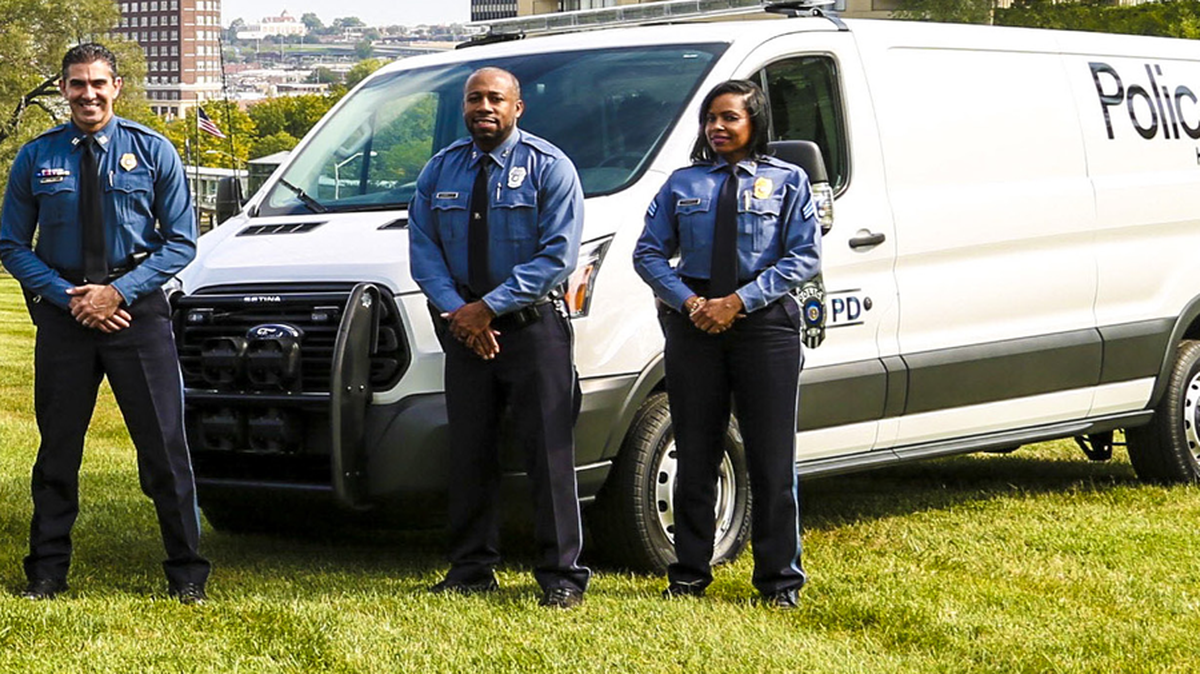
Two years have passed since the U.S. Department of Justice launched an investigation into the hiring and employment practices at the Kansas City Police Department, specifically regarding the department’s treatment of Black officers.
When Kevin Sorrells, who said he faced discrimination and harassment when he was an officer with the department, heard about the investigation in September 2022, he thought the federal agency would get a hold of him.
“I never got a call from them,” he said last week. “They never interviewed me.”
“It just seems like smoke and mirrors.”
Sorrells was one of more than a dozen current and former officers who were publicly named in a March 2022 Star investigation about racism within the department. And he is one of at least five current or former KCPD employees who raised those concerns, but told The Star that as of Friday the DOJ had yet to contact them as part of its investigation.
The stories revealed that the department had failed at recruiting and retaining more Black officers, that Black officers were reprimanded at higher rates than colleagues of other races and that many resigned because of the racism they encountered within the department. One detective detailed how he was pulled over by his colleagues. Another recounted how he was called the n-word by a sergeant.
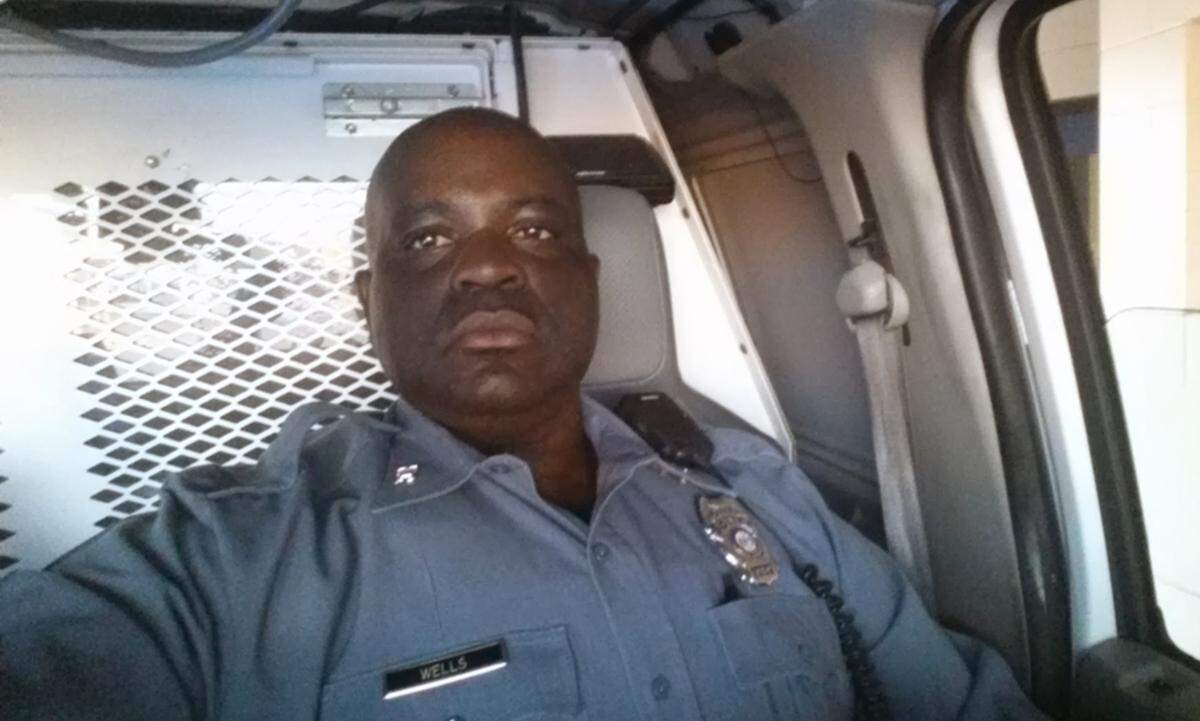
One former officer, Scott Wells, said being Black in KCPD was like “being a mouse in a snake cage.”
In the wake of the The Star’s series, the DOJ announced it was investigating the police department’s employment patterns and practices.
Wells said last week that he has not heard anything about the DOJ investigation and has not been contacted. He said without major changes, including hiring a police chief from outside the department, the racist “buddy system” would persist.
Shortly after the DOJ began its investigation, the department named a new leader. Stacey Graves, who rose through KCPD’s ranks, was appointed chief in December 2022. She replaced Rick Smith, whose tenure was viewed by many as divisive for the community.
Former officer David Davis said he has not been contacted by the DOJ. Problems get swept under the rug, he said.
A current officer, who alleged he was racially profiled during a traffic stop, also confirmed he has not been contacted.
The DOJ declined to comment when asked about what steps investigators have taken in the past two years, the timeline and if a report would be issued.
Citing the active investigation, Mayor Quinton Lucas’ office referred questions to the DOJ and KCPD.
Officer Alayna Gonzalez, a spokeswoman for the Kansas City Police Department, said they have not received any further updates regarding the investigation and referred questions to the DOJ.
Gwen Grant, president and CEO of the Urban League of Greater Kansas City, which was among a group requesting a federal probe, said leaders know what is going on with the investigation.
“During this time in which the police department is working to improve police-community relations, it would really add value and authenticity if they would take it upon themselves to provide an update on the status of the investigation,” she said. “It would then prove to the community that they are evolving to become a more transparent department that wants to acknowledge where problems exist and align with community to solve those problems.”
William Whitcomb worked for the DOJ for 27 years, retiring in 2011. As a mediator in a special unit, he looked into the relationships between police departments and communities as well as discrimination practices.
Several factors can influence an investigation, including who the U.S. attorney general is and how much community pressure is being exerted, he said.
Investigations are “a slow process,” Whitcomb said. But, he added, he would have expected officers who have publicly voiced concerns to have been contacted by now.
Ryan McCarty was an attorney for the police department until he was fired in December 2022. Shortly after he was terminated, he sent out a letter outlining malfeasance at KCPD, including allegations that people of color were treated unfairly. Recipients included the Department of Justice.
McCarty said he has not heard from the DOJ even though he “certainly would have expected someone to reach out were this investigation being conducted unimpeded and in good faith.”
Lora McDonald, executive director of the social justice group MORE2, said she expected the DOJ’s findings to be substantial. While McDonald said she knows investigations take time, she feels urgency.
“While time passes, without change, more officers could be harmed,” she said. “This community needs Black officers now, more than ever, and it is a tough job. If they have to also deal with discrimination, how long will an officer last?”
According to information from the Board of Police Commissioners meeting last week, the department has 1,086 full-time officers. Of those, 126 officers or 11.6% are Black.
Kansas City’s population is 26% Black, according to data from the U.S. Census Bureau.
McDonald also noted that without local control, the federal government is one of the few entities that “can implore this department to act.” KCPD is governed by four governor-appointed commissioners and the mayor, a rare arrangement that many community members are critical of and want to see changed.
It’s not the DOJ’s first look into concerns of racism in the department. In 2009, the DOJ announced it was investigating why the number of Black officers in the KCPD was lower than expected. But the agency never released any results from that investigation.
This story was originally published September 16, 2024 at 6:00 AM.