As new chief takes over, KCPD is embroiled in racism allegations. Can she deliver change?
READ MORE
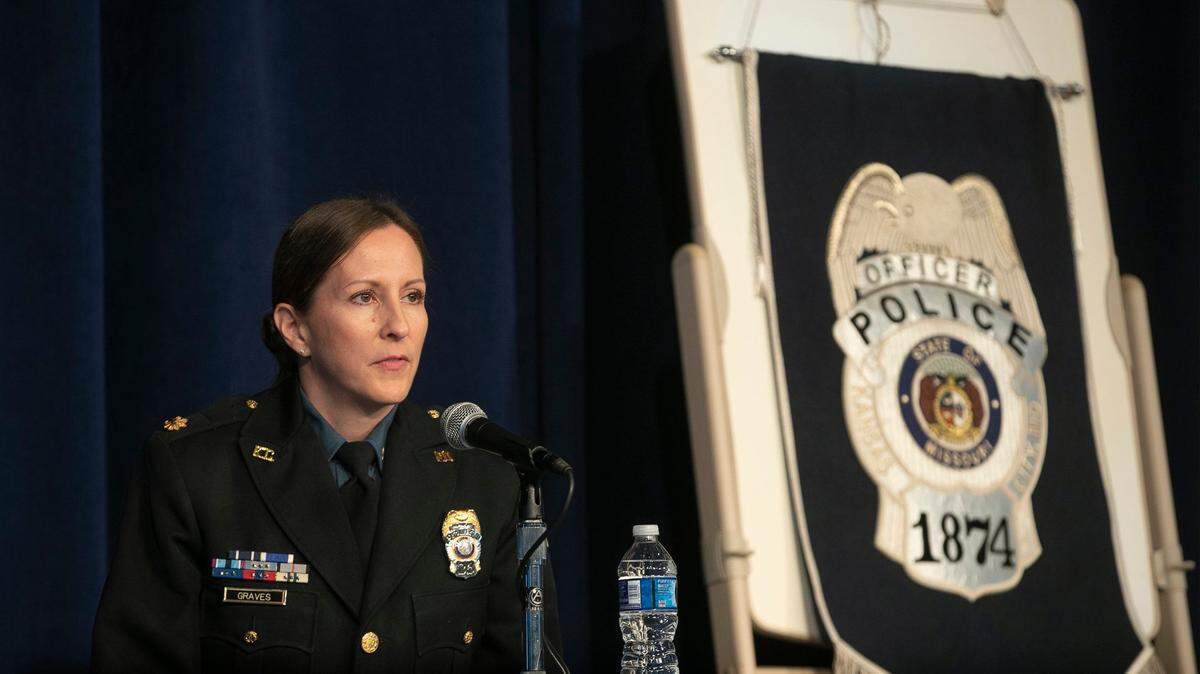
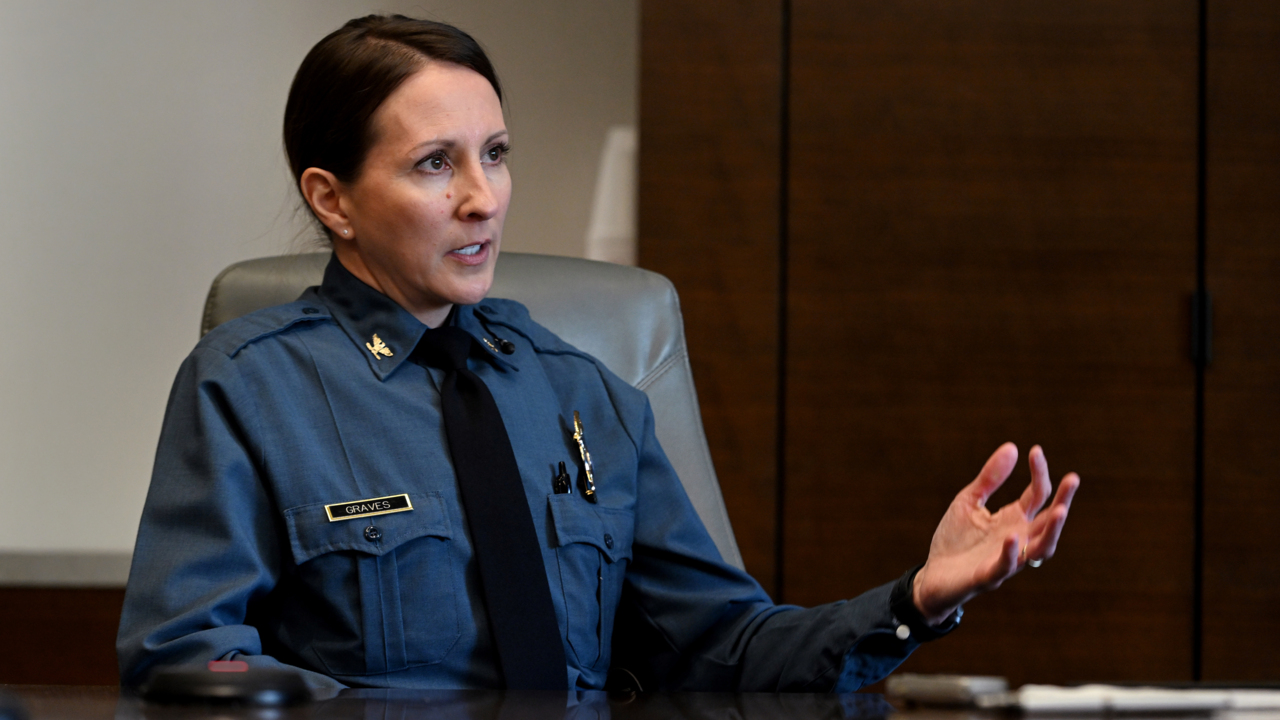
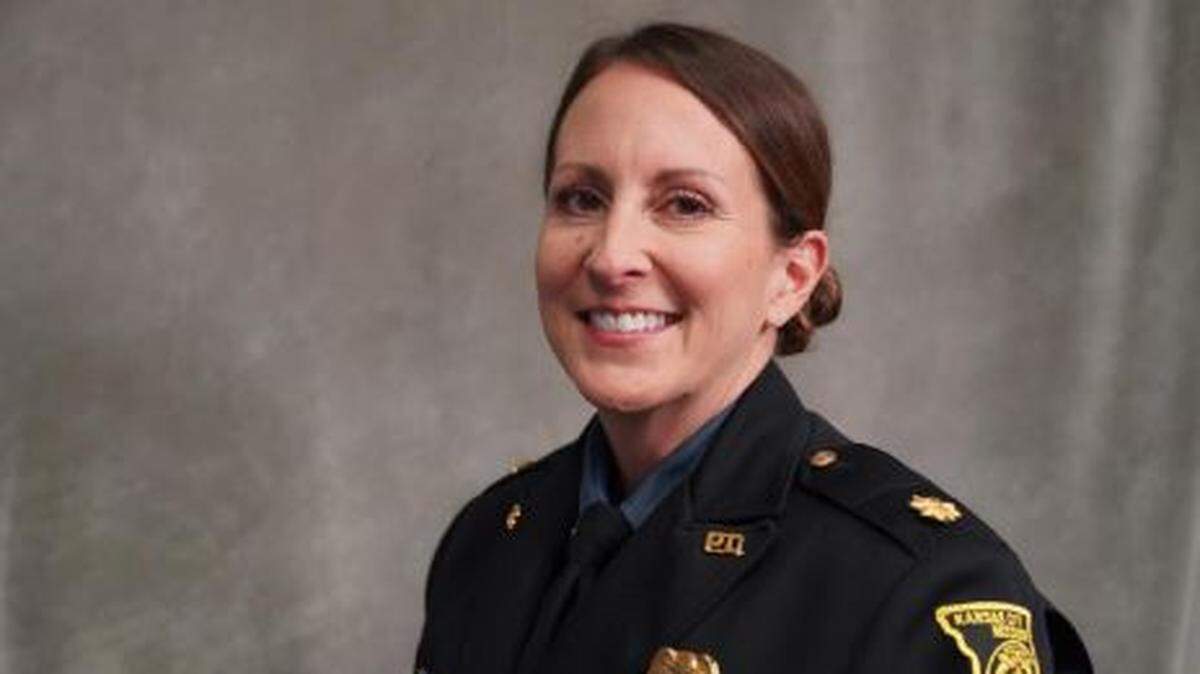
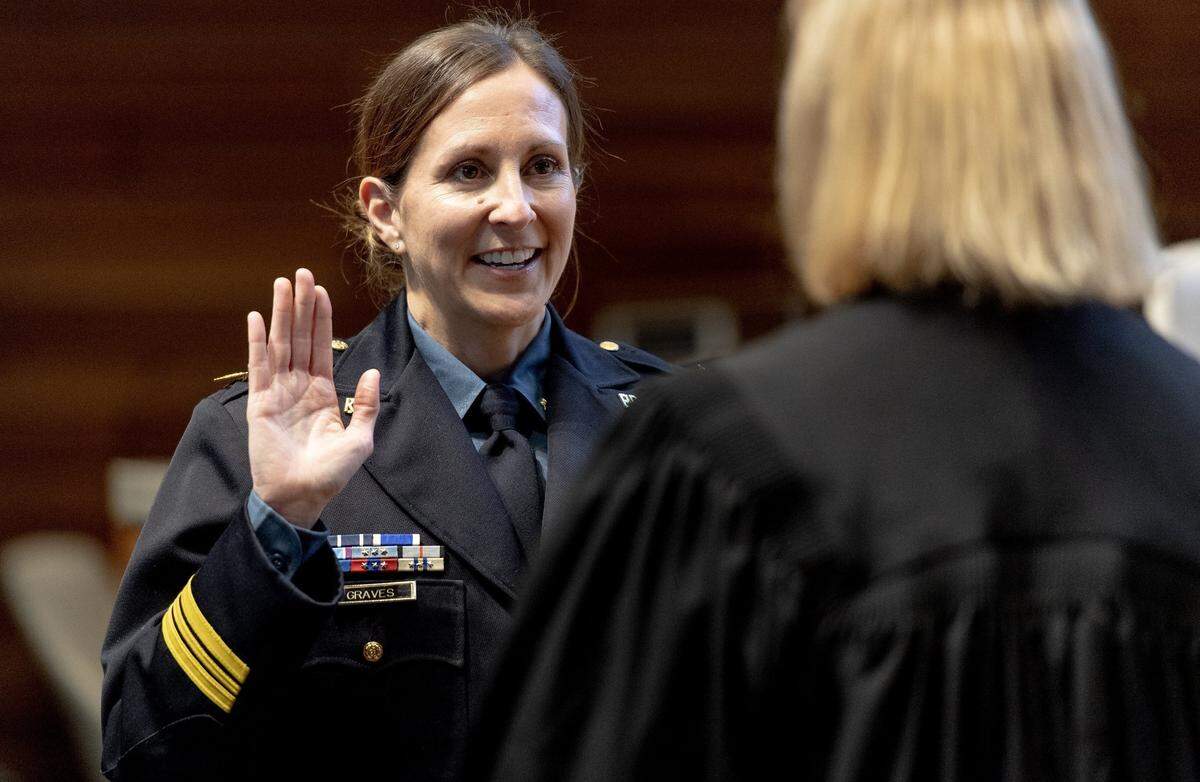
New Kansas City police chief Stacey Graves
Stacey Graves, a 25-year veteran of the KCPD, took leadership of the department at the end of 2022. She replaces Deputy Joseph Mabin, who served as interim chief after Rick Smith’s exit in April.
Expand All
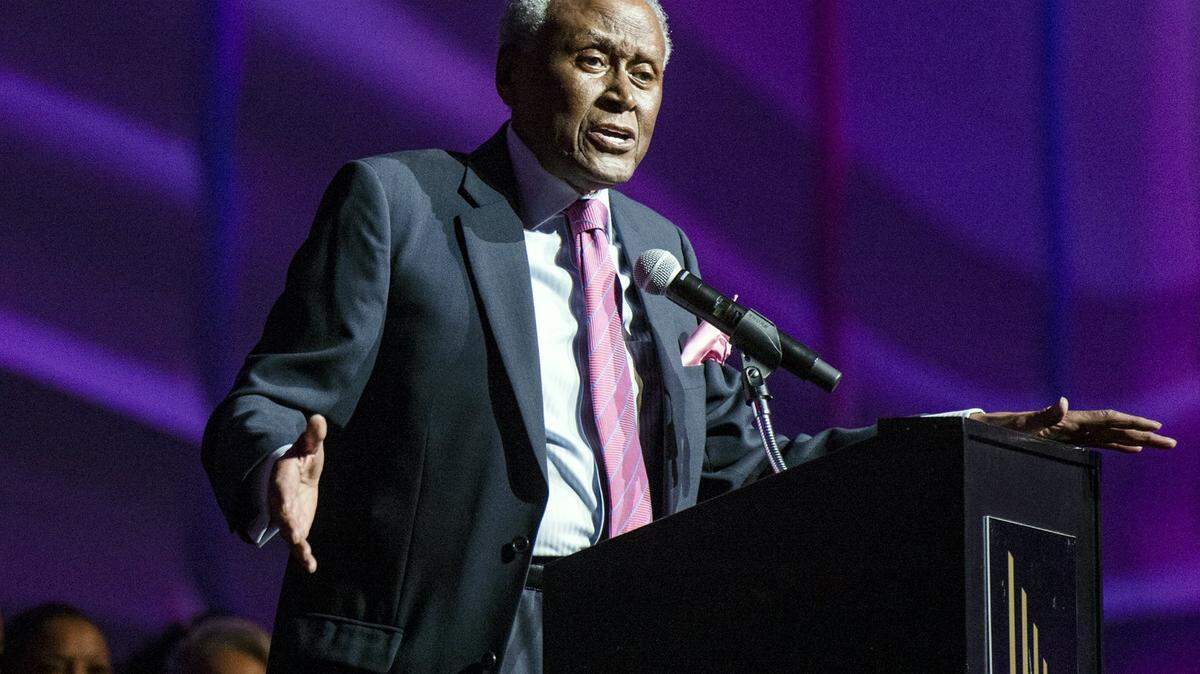
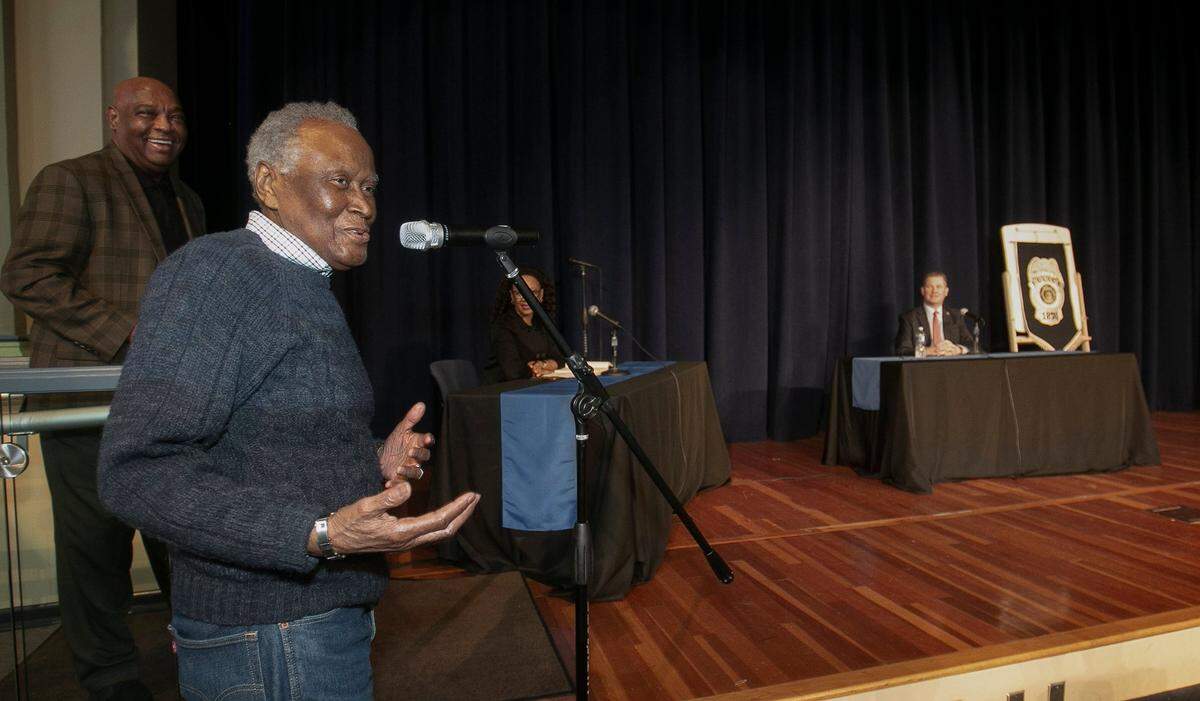
When Stacey Graves, the city’s new police chief, wanted the sage advice of a community elder, Alvin Brooks knew immediately where they should meet.
Brooks, a former Kansas City police officer, mayor pro tem and founder of the AdHoc Group Against Crime, chose the Black Archives of Mid-America for his candid conversation with Graves.
As the two toured the museum in the historic 18th and Vine jazz district, surveying the artifacts that chronicle the triumphs and tragedies of the Black experience in Kansas City, Brooks shared his decades of wisdom with the new chief.
“I hoped the visit gave her a new feeling and an understanding of the African-American community of yesterday as well as of today, and the role the police department has today and in the future,” Brooks said.
“She came into the job in a very interesting time, a very critical time and there could be a lot of challenges both inside and outside the police department. Of course, I wished her well.”
Graves, a 25-year veteran of the force, was named chief Dec. 15. She took the helm as Kansas City ended the year with 171 homicides — the second highest ever — and with police relationships in parts of the community battered or broken.
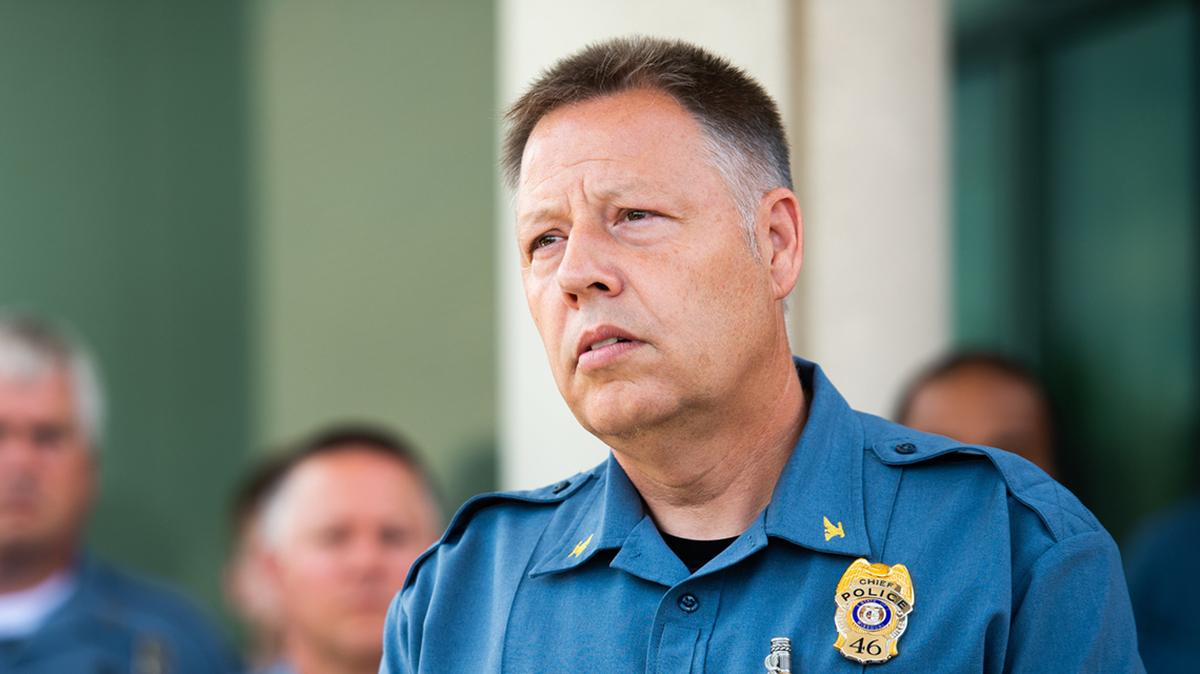
She replaces Deputy Chief Joseph Mabin, who served as interim chief after Rick Smith’s exit in April.
Throughout his nearly five-year tenure, Smith came under relentless criticism related to racial discrimination, police use of force, the killings of Black men by police, officer accountability and the city’s alarming homicide rate.
Policing across the country, as Graves acknowledged, is under great scrutiny. In September, the U.S. Department of Justice launched an investigation into KCPD’s hiring and employment practices.
Graves said she wants to be a change agent.
She has met with an array of civic, community and neighborhood groups including the South Kansas City Alliance and the Urban Summit, an organization of the city’s top Black political, business and civil rights leaders.
“My schedule is filling up, I’m very open to meeting with people. And I know groups that I want to … build bridges with,” she said.
”We may not agree when we leave the table, but at least we can continue some kind of a professional or amicable working relationship.”
But some community groups remain skeptical. They say the process to select the new chief was indicative of how the department runs: with little community input or transparency.
Many community members want to see the approach to public safety dramatically changed, but talk of improving community relations is “a broken record,” said Amaia Cook, with the group Decarcerate KC.
Gwendolyn Grant, president and CEO of the Urban League of Greater Kansas City, echoed those sentiments.
“Building bridges of trust, respect, transparency and accountability will require so much more than engaging in difficult conversations,” Grant said. “Talk without substantive changes in policing policies, practices and behaviors means absolutely nothing.
“The burning question for me is whether or not Chief Graves has the will, determination and leadership acumen to dismantle the racist culture inside the KCPD, a culture of which she has been a part. Moreover, I want to know exactly what action she will take to hold officers to account for racial profiling and excessive force incidents. What action will she take to address the workplace discrimination that has resulted in a DOJ investigation? Talk is cheap. We need substantive change.”
‘Home grown’
Graves grew up in the Rosedale neighborhood in Kansas City, Kansas. While attending J.C. Harmon High School, she got a part-time job at a Plaza movie theater, where she worked the concession stand, was an usher and moved her way up to a projectionist. Graves was also the president of her senior class in 1992.
After graduating from high school, she took biology classes at the University of Missouri-Kansas City. But her interest and career choice soon changed.
She earned an undergraduate degree in administration of justice from UMKC and later an executive master of business administration from Benedictine College in Atchison, Kansas.
Graves joined the department in 1997 and rose through the ranks, starting her career as a civilian clerk in the records department. During her tenure, Graves has been a patrol officer, a detective, a captain responsible for the human resources unit, a supervisor in internal affairs and the leader of the media unit.
As a police major, Graves served as a division commander at the Shoal Creek Patrol Division in Kansas City, North. She recently coordinated the department’s program assigning social workers to each of the six patrol divisions throughout the city.
Some see that experience as both an asset and a display of commitment to the city.
Graves said she is “home grown” and that she has invested in the men and women in the department.
“I know the good things that they do every day, all the millions of contacts they have that go smoothly, and I know I’m going to have to talk about some of those times when that doesn’t happen,” she said. “I’m going to talk about the good and the bad.”
But others worry that she has been entrenched in the culture of a department that has seen five officers criminally charged, including one who was convicted of involuntary manslaughter for a 2019 police shooting. That trial included the allegation that the police department had staged the crime scene and even planted evidence to support their claims that the man, Cameron Lamb, had been armed.
Graves is married to Daniel Graves, a KCPD captain. They built a home in Platte County, where they raise chickens.
Graves has had to respond to a letter her husband wrote on behalf of former KCPD detective Eric DeValkenaere, who was convicted two years after the 2019 shooting death of Lamb, a Black man, who was backing his pickup into a garage.
She said it is not unusual for police officers to show their support for a colleague.
“(Eric) DeValkenaere is a human. He’s a father. He’s a coach,” Graves said of the letter her husband wrote. “So that was offered.”
“That whole situation was a tragedy,” she said. “Someone lost their son. Someone lost their father. It was a tragedy. And I bet if you asked everyone involved in that situation if they could have a do over again they would say yes, and things would be different.”
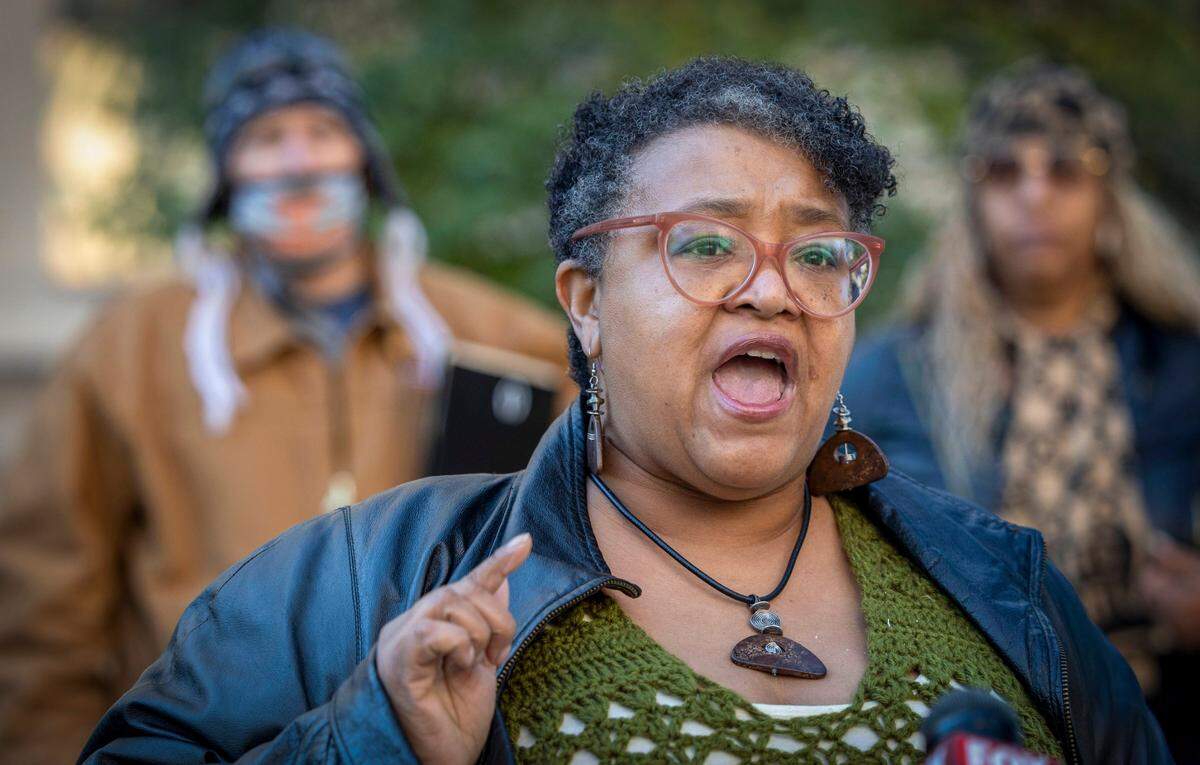
But many community leaders see those close ties to the department as a hindrance, not a benefit.
“The board (of police commissioners) set up the current chief to fail in establishing community trust,” said Sheryl Ferguson, an organizer with It’s Time 4 Justice. “They selected somebody from inside the department, which is one thing we adamantly said we didn’t want.
“There is too much corruption in KCPD. To think someone from inside the department can clean it out is preposterous.”
Ken Novak, a professor of criminology at UMKC, said Graves will need to balance several complex issues.
“Under ideal circumstances, it’s not an enviable position,” Novak said. “But having near historic gun violence rates, along with the DOJ investigation, and people calling for local control — that we’ll call not ideal.”
Community relations
Steve Young has been organizing weekly protests outside the police department since June 2020, shortly after George Floyd’s murder. Activists read the names of people killed by Kansas City police since 1998.
In fall 2021, Young launched the KC Law Enforcement Accountability Project, which has been going to the scenes of police shootings and other violent incidents involving officers.
Young said he has not met with Graves.
“We’re outside of KCPD headquarters every Friday at six o’clock,” he said. “She could just walk right out the door.”
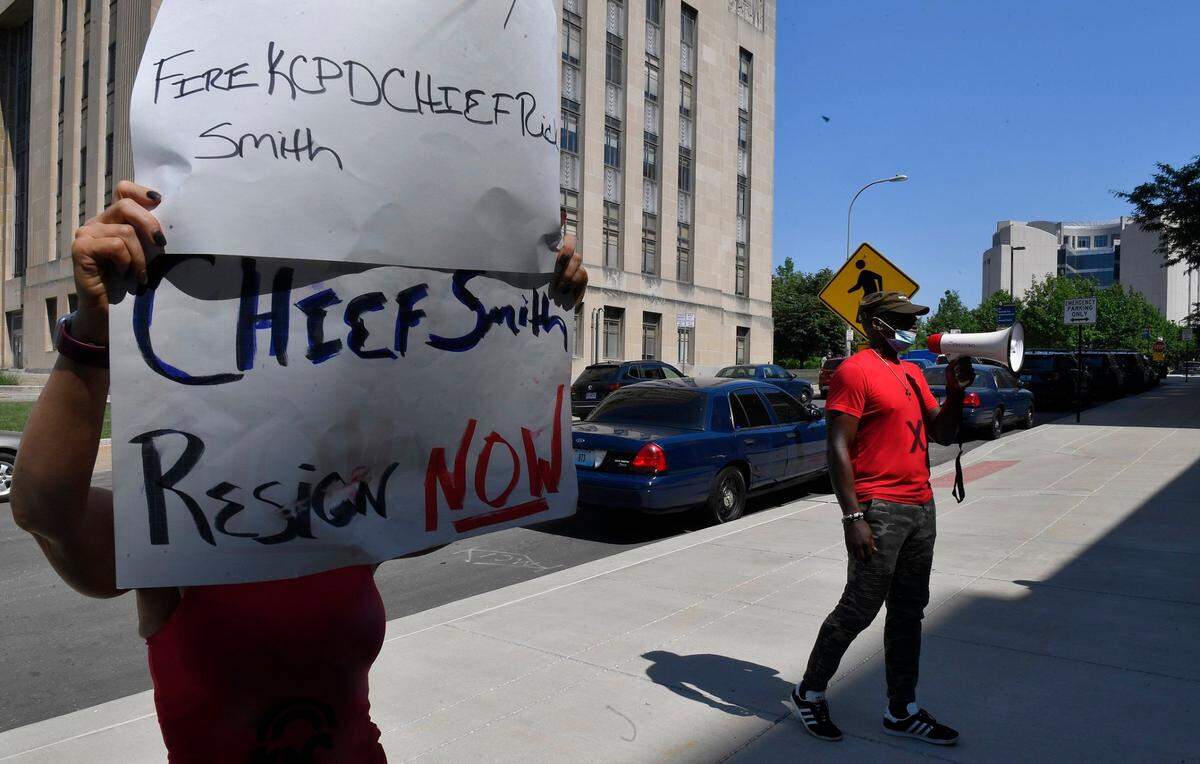
Young said the city needs a leader who is willing to “ruffle some feathers.” But he is not hopeful that will happen.
“She knows all of these people. These are people she’s worked side by side with,” he said. “It’s going to be tough so that’s why I don’t really see much change coming.”
Novak, the UMKC professor, said many uncomfortable conversations are needed.
“It does seem like mending fences between the police and the community, particularly the very vocal segment of the community after George Floyd, has to be a priority because it goes back to the level of trust that the community has with the police.”
One question the chief could ask: how does the community want to be policed?
Graves said she wants to start by listening and that she hopes the adversarial relationships can come to an end. She described herself as having a servant mindset and a collaborative leadership style.
“We really need to embody what community policing really is. And that is talking to the community, being part of the community and allowing the community to learn about us as well,” she said.
“I want to take the lessons from the past — the painful, angry, angry past that has been — but also the positive part of that and I just want to move it into a positive policing movement.
“I just really want to change the view of police in America. And if we could start that right here in Kansas City then let’s do it.”
Town hall meetings — an idea Graves pitched during the only public forum held during the selection process — will start in the spring, she said.
Violent crime in KC
One reason community trust is so important is that it affects how successful police are at solving crimes. At the end of 2022, less than half of the year’s homicides were cleared, according to KCPD data.
The department has frequently said it needs more residents to come forward with information and to cooperate with investigators.
In the lead-up to the selection of the next chief, Mayor Quinton Lucas said the city needs someone who “can talk to people on the streets, who can go to shooting scenes” and who is culturally competent “in a way that we’re going to talk to people and build up that trust that gets them to testify, that gets them to share information, that gets us a much better clearance solving rate than we have in Kansas City today. That’s why community trust is really important.”
Cook, with Decarcerate KC, said she wants to see more community input on policing.
“What we want to see is drastic change that doesn’t require the KCPD and the police chief to be dictating what public safety looks like in Kansas City,” Cook said. “We want to see structures built outside of the KCPD that really foster community safety and input institutions that are focused on mental health and education and public health and housing, things that really keep us safe.”
Novak said the department should prioritize evidence-based practices to reduce crime. One strategy, focused deterrence, hones in on who commits crimes and where crime is taking place. The approach should take into consideration how communities want to be policed. For instance, instead of increasing arrests in a particular area, it could mean certain resources are provided.
Graves has said she supports focused deterrence and that she wants to develop a strategy that gets “the whole city involved in really reducing violent crime.”
That includes the voices of youth and addressing issues like blighted properties, she added.
As she seeks to make change, Graves has the support of the two police unions for her work ethic, professionalism and as a recipient of the department’s Medal of Valor. In 2001, she received the recognition after shooting a suspect who had lunged at another officer, took his gun and pointed it at her, according to previous news reports.
Greg Williams, president KCPD Lodge 102, has said in a statement that Graves would bring “a fresh outlook and leadership style” to the department.
Others have noted that Graves is a trailblazer because she is KCPD’s first woman to permanently serve as police chief. Rachel Whipple and Cheryl Rose had served as interim police chiefs.
Brad Lemon, president of Kansas City Police Lodge No. 99, previously told The Star that Graves’s appointment serves as an inspiration to his two daughters, three granddaughters and other women.
“We always tell people to work hard, and you’re going to get a chance, you’re going to get the opportunity to do something special,” Lemon said. “But let’s be honest, that’s not always the truth. So, we finally have a young lady who wants to be on the police department ... works her way through, does an incredible job.
“She’s well liked in the community, in the department and gets an opportunity to lead in one of the country’s largest police departments, so it’s kind of a feel good story and now I get to say for the rest of my life I was here when that happened. So for me personally, I think that’s pretty great.”
In the next year, Graves said she sees the department moving in a positive direction while seeking to restore community and mend long tattered relations.
“I want us to be community focused, and have a robust violent crime reduction strategy. A better relationship with the police in Kansas City,” she said. “And I want our members to feel valued and supported by the city that they serve.”
The Star’s Anna Spoerre contributed to this report.
This story was originally published January 18, 2023 at 5:00 AM.