It’s Fountain Day in Kansas City. Here’s how the city got its landmark-inspired nickname
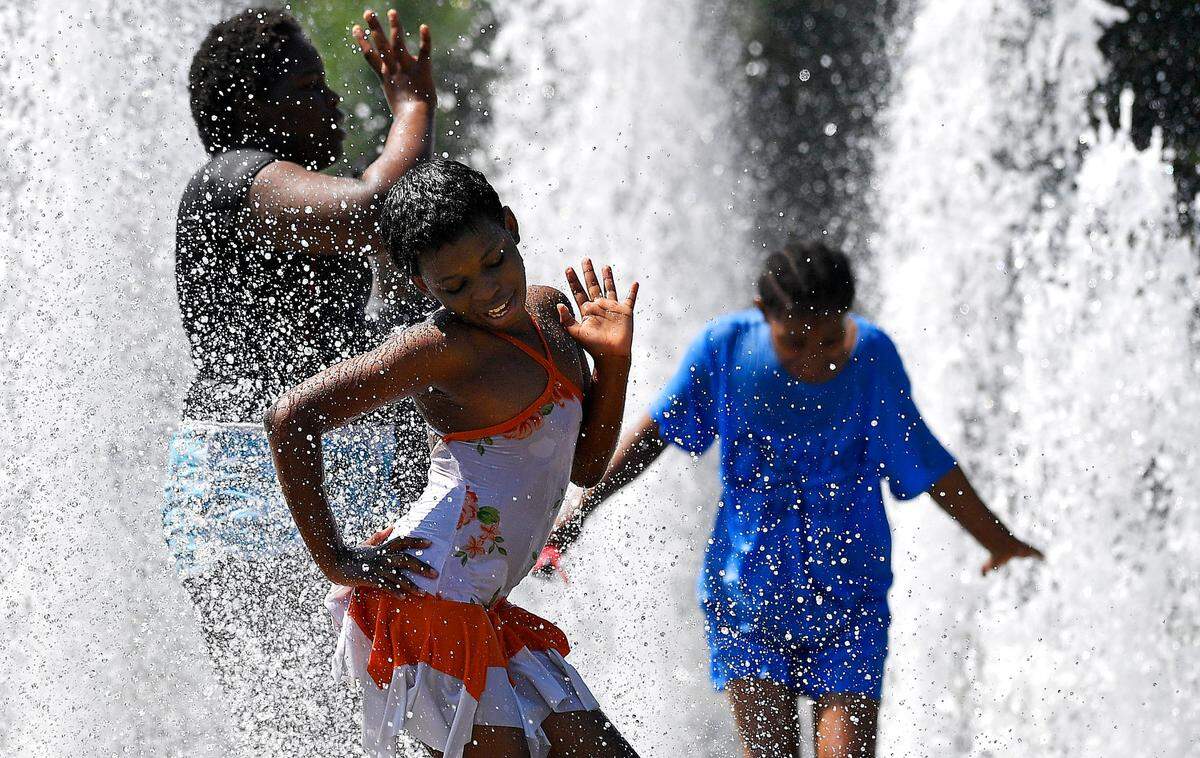
On Tuesday, Kansas City will live up to its nickname the “City of Fountains” and celebrate the 200-plus fountains lining our courtyards, plazas and boulevards.
Each spring, Fountain Day marks the day that 48 publicly owned fountains turn on for the season.
This year there will be a ceremony at 10 a.m. at the Northland Fountain at Vivion Road and North Antioch Trafficway.
Now is as good a time as ever to refresh yourself on the history of some of the city’s most iconic landmarks and where you can find them, so we pulled together some highlights.
When did KC become the City of Fountains?
The city’s first fountains were built in 1899 by George Kessler, a landscape architect enlisted to create Kansas City’s vast parks and boulevards system. In the late 19th century, a reform philosophy called the City Beautiful Movement was taking hold in major American cities.
It was an urban planning movement predicated on the idea that people needed more “beautiful natural scenery.” In 1893, the Kansas City Board of Park Commissioners enlisted Kessler to devise a plan for a system of parks, boulevards, statues and fountains.
Thanks to this beautification movement, Kansas City is now said to have more fountains than the city of Rome, according to KC Parks.
Although they are stunning, they were also erected as a “matter of practicality,” according to VisitKC. Kansas Citians used them as troughs and drinking basins for the horses of passersby during the 1890s.
In 1973, Harold and Peggy Rice founded the City of Fountains Foundation to raise funds to build new fountains and maintain the current fountains. The foundation and the KC Parks work together to manage the city’s publicly owned fountains.
GUIDE TO PROMINENT FOUNTAINS
Here’s a look at some of the most well-known fountains in the city:
Firefighters Fountain and Memorial: This memorial fountain was built in 1991 and was dedicated to six firefighters who lost their lives in the line of work. This fountain is located at the south end of Penn Valley Park.
Henry Wollman Bloch Fountain: The Bloch Fountain features 232 water jets that work in unison to create a choreographed show every 90 minutes. The fountain is located directly in front of Union Station.
Crown Center Square Fountain: This fountain is equipped with 49 water jets and 48 water shooters that throw water up to 60 feet in the air. The water works are choreographed and set to recordings of the Kansas City Symphony.
Fountain in Rozzelle Court Restaurant: This fountain is located at The Nelson-Atkins Museum of Art. The marble bowl at the base of the fountain was purchased in Italy in 1931 but dates back as far as 220 A.D. The pedestal of the fountain was installed in Kansas City in 1933, the same year that the Nelson-Atkins opened its doors.
Children’s Fountain: This fountain can be found at Children’s Fountain Park, located at Northeast 32nd and Burlington streets. The dedication plaque reads: ”The bronze figures represent children everywhere to whom this fountain is dedicated and the activities that shape young lives making childhood a joy.”
Barney Allis Plaza Fountain: This fountain is as long as a whole city block and is located near the Bartle Hall convention center downtown. Geyser jets — 112 of them — propel the fountain’s water several feet high.
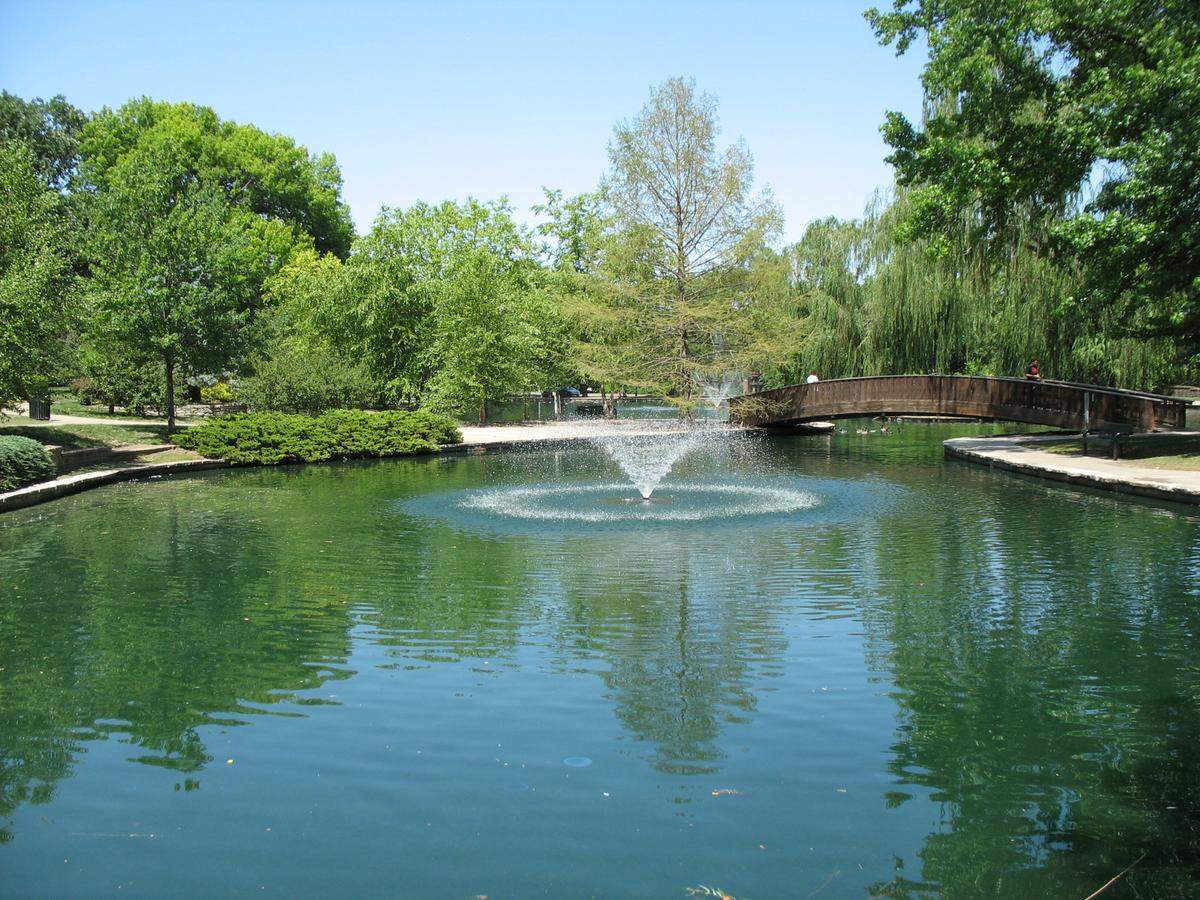
Loose Park Lake Fountain: Land for the park was donated to Kansas City in 1927 by Ella Loose, in honor of her late husband, Jacob Loose. In 1964, the park’s lake was renovated in the style of a Japanese garden and a fountain was installed. In 1993 the fountain was donated to the Kansas City Parks and Recreation Department.
The Neptune Fountain on the Plaza: This fountain was built in 1911 in Worcestershire, England. In 1953, the Neptune fountain became a permanent part of the Country Club Plaza. The design features the Roman god of the sea holding a trident and being pulled in a carriage by three horses.
What’s your favorite fountain in KC? Let us know at kcq@kcstar.com.
This story was originally published April 19, 2022 at 5:00 AM.