As traffic deaths rise in Kansas City, officials have a plan to reduce them to zero
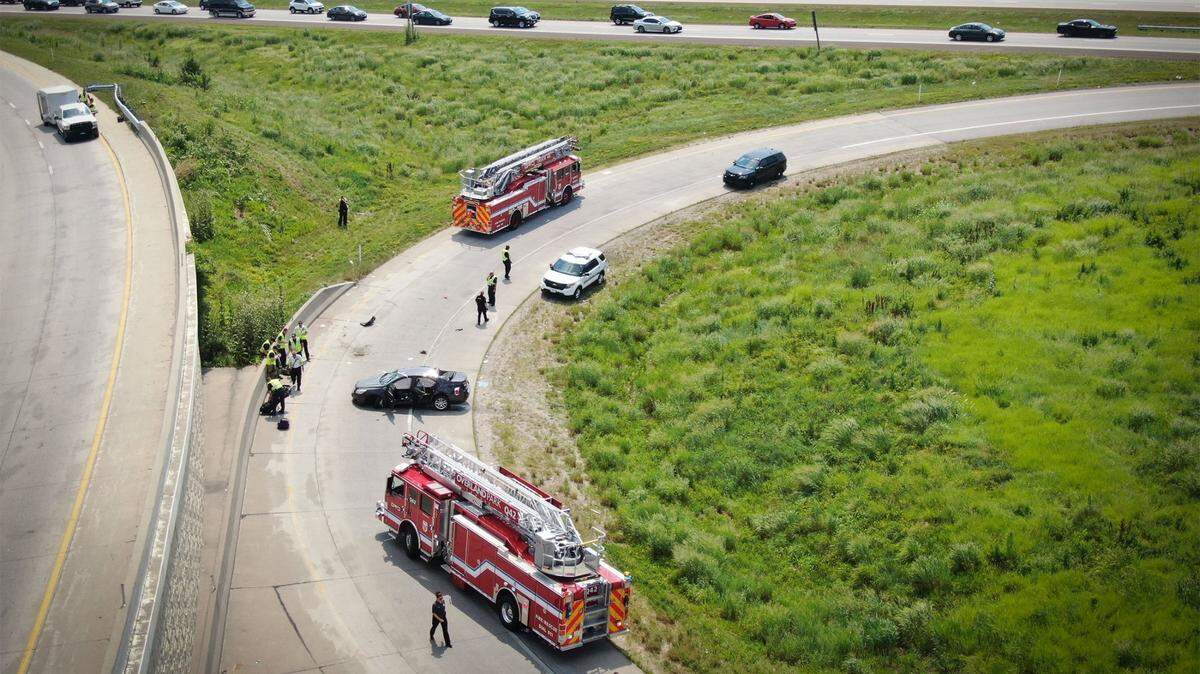
READ MORE
Deadliest Intersections
Thirteen locations in Kansas City, Overland Park and Independence rank among the deadliest in the metro for car wrecks
Expand All
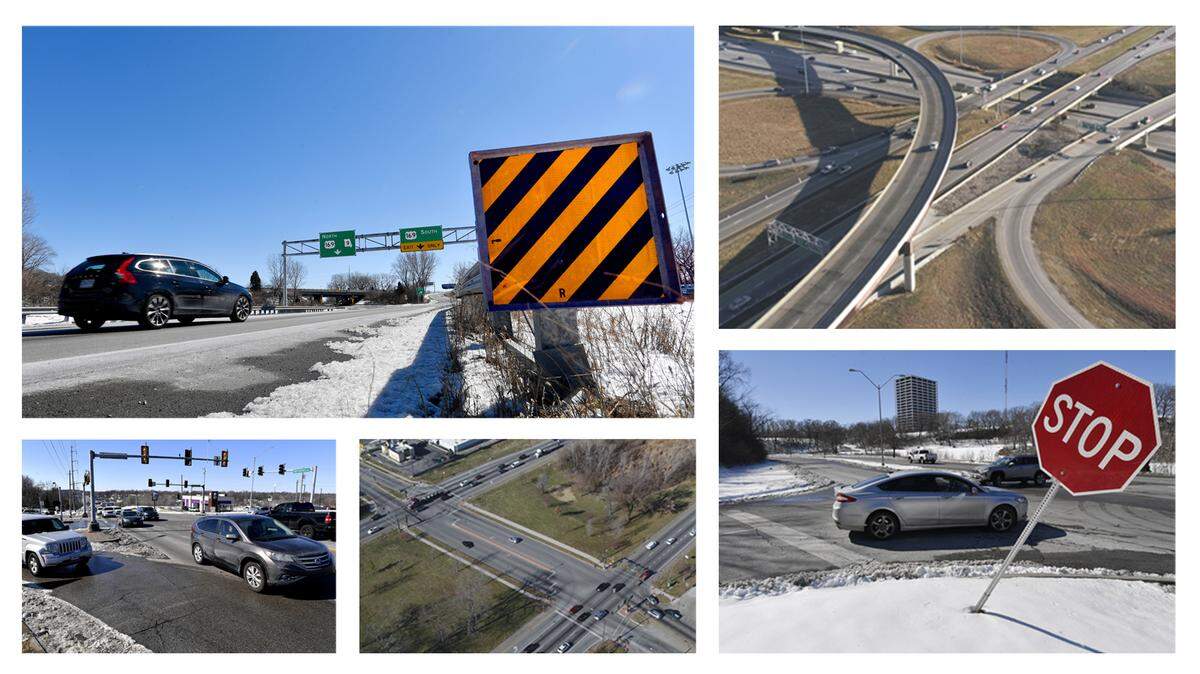
These 13 intersections are among the deadliest in the Kansas City area
As traffic deaths rise in Kansas City, officials have a plan to reduce them to zero
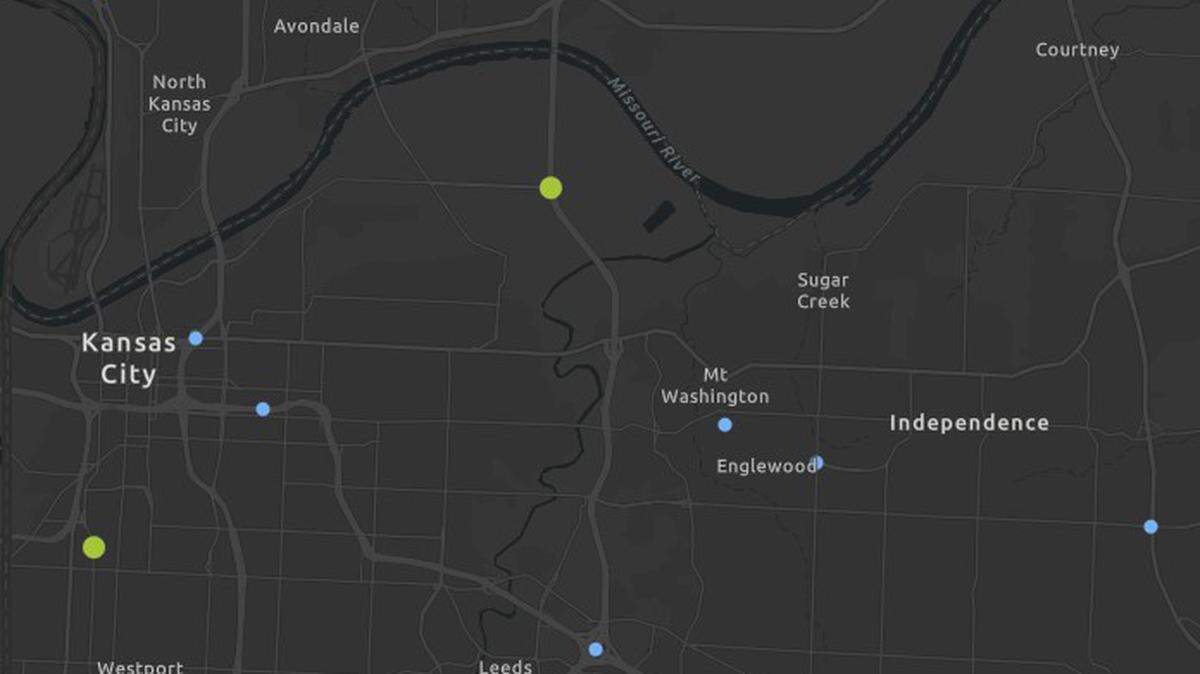
Interactive map: These are some of the deadliest intersections in the Kansas City area
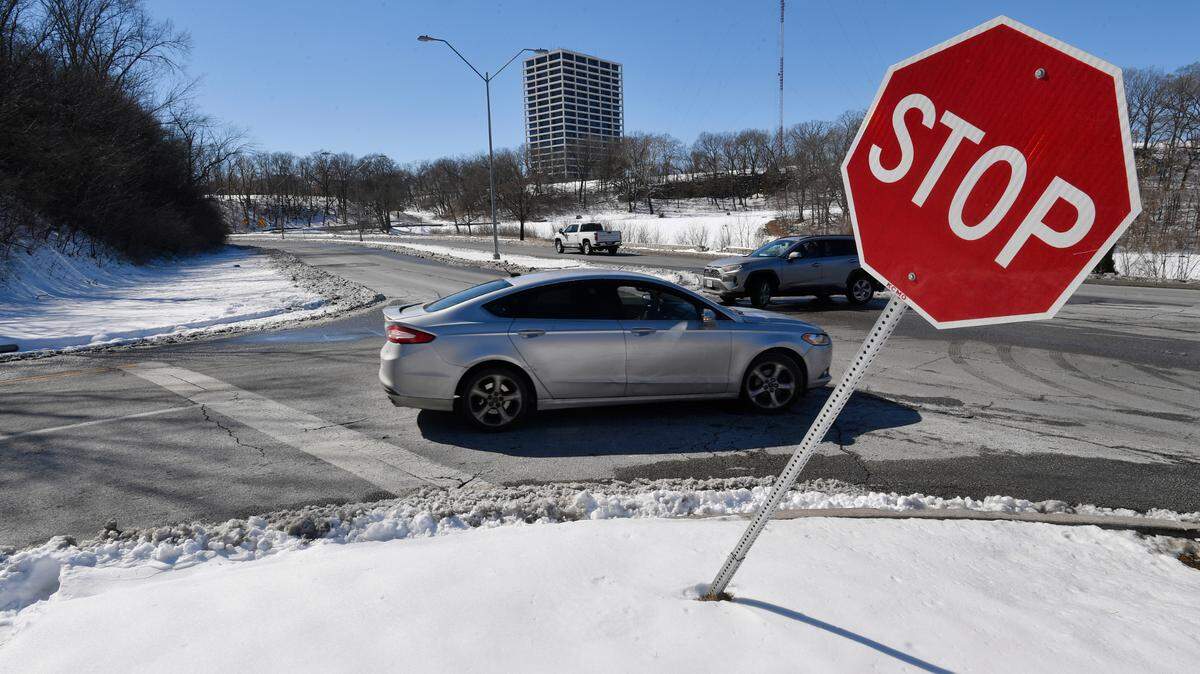
Kansas City aims to make its streets safer. Here’s where 54 traffic changes are happening
Hundreds of people die in traffic crashes each year in the Greater Kansas City region, but an ambitious plan is underway to get that number to zero.
Destination Safe, a partnership involving federal, state, regional and local agencies including the Mid-America Regional Council, is working to create a culture of safety where even one traffic fatality in the Kansas City area is too many.
“People make mistakes,” said Amanda Horner, the safety and new mobility planner at MARC. “Humans are humans. There’s no such thing as perfection.
“It’s not our expectation that we reduce crashes to zero,” Horner said. “But our expectation is that we can get fatalities and serious injuries to zero.”
In 2020, there were 243 fatal crashes, resulting in 256 deaths in the Destination Safe region, which includes Johnson, Leavenworth, Miami and Wyandotte counties in Kansas, and Cass, Clay, Jackson, Johnson, Lafayette, Pettis, Platte, Ray and Saline counties in Missouri.
That was a 7.5% increase in deaths from 238 in 2019 and above the five-year average of 245.8 fatalities. More troubling, however, is that the jump came at a time when overall crashes in the region dropped by 21%. The hope was that with restrictions from the COVID-19 pandemic, both overall crashes and fatalities would have decreased.
Kansas and Missouri transportation departments joined forces with MARC and the Pioneer Trails Regional Planning Commission in 2004 to form the Destination Safe Coalition to find ways of reducing serious injury and fatal crashes in the 13 county area surrounding Kansas City.
That partnership has grown over the years and now includes a diverse group of organizations including hospitals, health departments, local transportation agencies, nonprofit groups and business and law enforcement at all levels — basically anyone who’s doing anything related to transportation safety.
“We believe that traffic crash fatalities are preventable,” Horner said. “We’re certainly up against a lot of things to make that happen, but there’s a lot of safety measures out there and things that we believe can help reduce that.”
‘Seat belts save lives’
The coalition is still looking into what contributed to the increase in fatalities. But in 47% of the deaths the person killed was unrestrained, the highest rate in over 10 years, Horner said.
“That is something, again from our perspective, that is heartbreaking,” she said. “We know that seat belts save lives.”
That’s not going to be the only contributing factor in reducing fatal crashes. But it’s a simple solution and the coalition wants people to understand that buckling up makes a huge difference in the survivability of crashes, she said.
Aggressive driving, which includes speeding, was a contributing factor in 43% of the fatal crashes in 2020, which was the largest percentage since 2010.
The coalition is guided by its Together Toward Zero: 2018-2022 Kansas City Regional Transportation Safety Blueprint which had the goal of reducing fatalities to 197 by this year. It will be working on a new iteration of the blueprint this year.
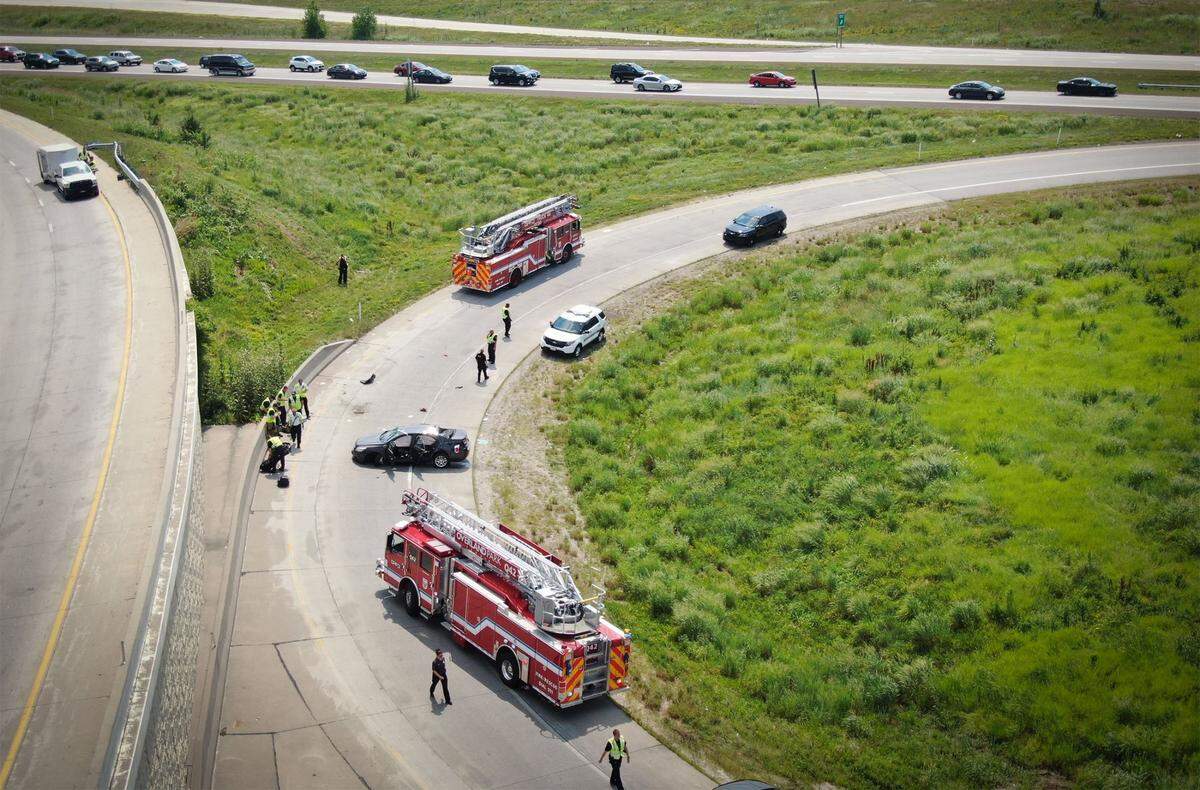
Vision Zero KC
Officials in Kansas City are also working to reduce fatal and serious injury traffic crashes.
In May 2020, the City Council passed the Vision Zero resolution with the goal to eliminate traffic fatalities and injuries by 2030 while increasing safe and equitable mobility for everyone.
Vision Zero is part of a global movement that is looking at the way cities are designed to make sure streets are safe for everyone, said Maggie Green, media relations manager for Kansas City.
The resolution included several components that serve as a guide on what the Vision Zero action plan should include. In addition to using crash data to identify high injury corridors and intersections, the plan is to reduce speeds citywide as well as distracted and impaired driving.
“What we are seeing is a tremendous increase in traffic crashes over the last 10 years,” Green said.
Fatal traffic crashes have increased 42% and serious injury traffic crashes have increased by 25% between 2010 and 2019 on city streets, excluding freeways, she said.
A Vision Zero Task Force, made up of city staff from various departments as well as community organizations and local leaders, has been meeting every other month and developing one year and five year plans to address what the city considers to be a serious public health crisis.
“We wanted to get started right away with some low cost, high impact improvements in our highest crash areas in the city on this first year of Vision Zero,” Green said. “City staff worked together to identify our highest crash intersections as well as areas in neighborhoods on neighborhood streets where we could benefit from traffic calming.”
In early January, the City Council approved a nearly $1.3 million construction contract for traffic calming measures — speed humps, curb extensions, chicanes and raised crosswalks — at about 50 locations throughout the city.
The locations were decided upon using criteria including crash data as well as requests people have submitted to the city’s 311 line for traffic calming in neighborhoods, Green said. The city is also working on developing a methodology that would use crash data to help inform future projects.
“This is not just one year of projects, this is just the starting place,” Green said.
Dangerous intersections
The City Council also in January approved a nearly $1.4 million contract for intersection improvements at the city’s most dangerous intersections based on crash and injury rates as well as other factors including equity and proximity to schools.
Vision Zero has identified those intersections as Ninth Street & Broadway, Van Brunt Boulevard and Independence Avenue, 31st Street and Prospect Avenue, 31st and Troost Avenue, 63rd Street and Prospect and 82nd Terrace and Troost, 30th Street and Myrtle Avenue and Missouri and Troost avenues, Green said.
The designs and improvements aren’t finalized, but could include measures such as shortening pedestrian crossing distances by creating pedestrian refuge islands or bump outs at corners, improving sight lines and adding street lighting to increase visibility.
“Each intersection is going to have a slight different improvement,” Green said.
The design team will be working with the City Council and stakeholders in the neighborhoods to determine what safety improvements are needed.
Get involved
The city has a couple ways people can get involved. One is through a general outreach explaining the Vision Zero initiative, which includes piggybacking on neighborhood and community meetings.
On the city’s Vision Zero KC website, people can take a survey to share their concerns or ideas; submit a speed hump request and drop a pin and comment about traffic safety concerns and solutions on map.
The city also plans to have a targeted outreach for each of the projects so neighbors and stakeholders near the projects are aware can have input on the safety improvements.
The overall goal of Vision Zero is to reduce traffic fatalities and serious injuries to zero in the city. That will be challenging and a big undertaking, Green said.
“We need to have that goal because anything less would not be acceptable,” Green said.