Received a notice to vacate? Here’s what KC tenants facing eviction need to know
READ MORE
Resources for renters
What are your rights as a tenant? What should you do if you need to break your lease, or are handed an eviction notice? Here’s what you need to know about navigating housing issues in Kansas City.
Expand All
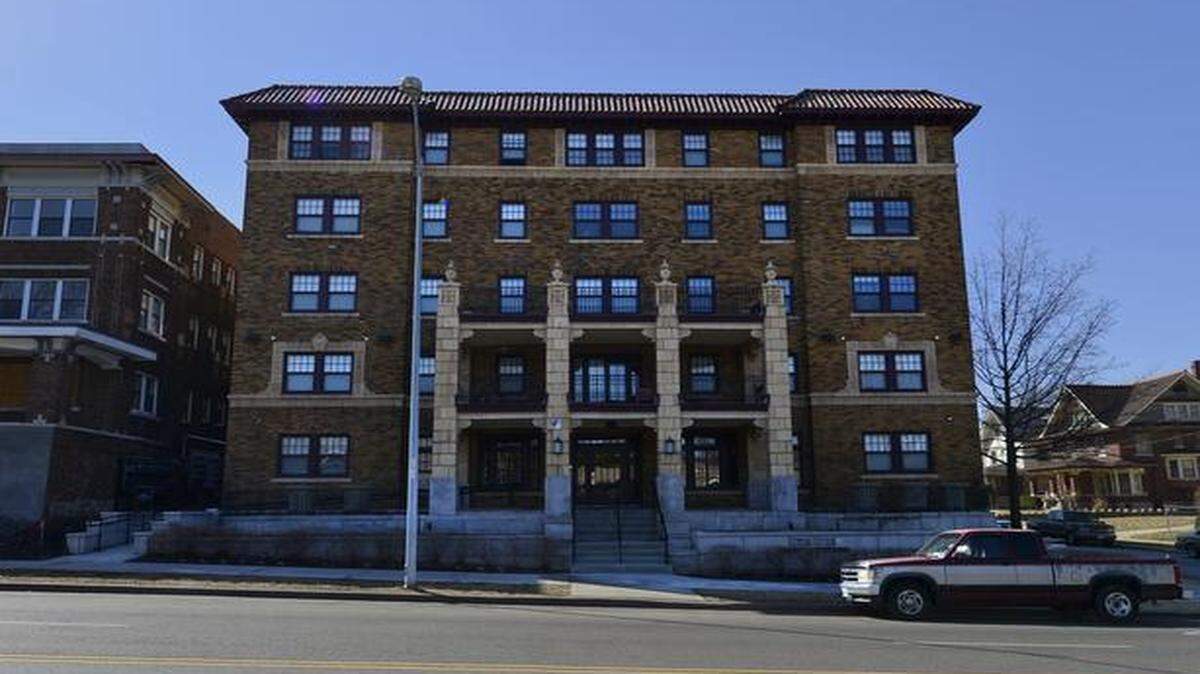
Residents of the Bakers Corner and Muehlebach Apartments in Volker received a nasty surprise on Tuesday, Nov. 30 when they learned they will soon have to vacate their homes.
According to a letter obtained by the Star, the buildings were purchased by The Tiehen Group, Inc, a property management company with plans to renovate the buildings and raise rents “considerably.” Some residents have a little as 60 days to move out.
The catch? This move is totally legal— meaning tenants have little recourse against their new landlords’ decision. Organizers say that notices to vacate are a common problem with severe consequences for low-income Kansas Citians. Here’s what to know about them, and how you can respond.
What is a notice to vacate?
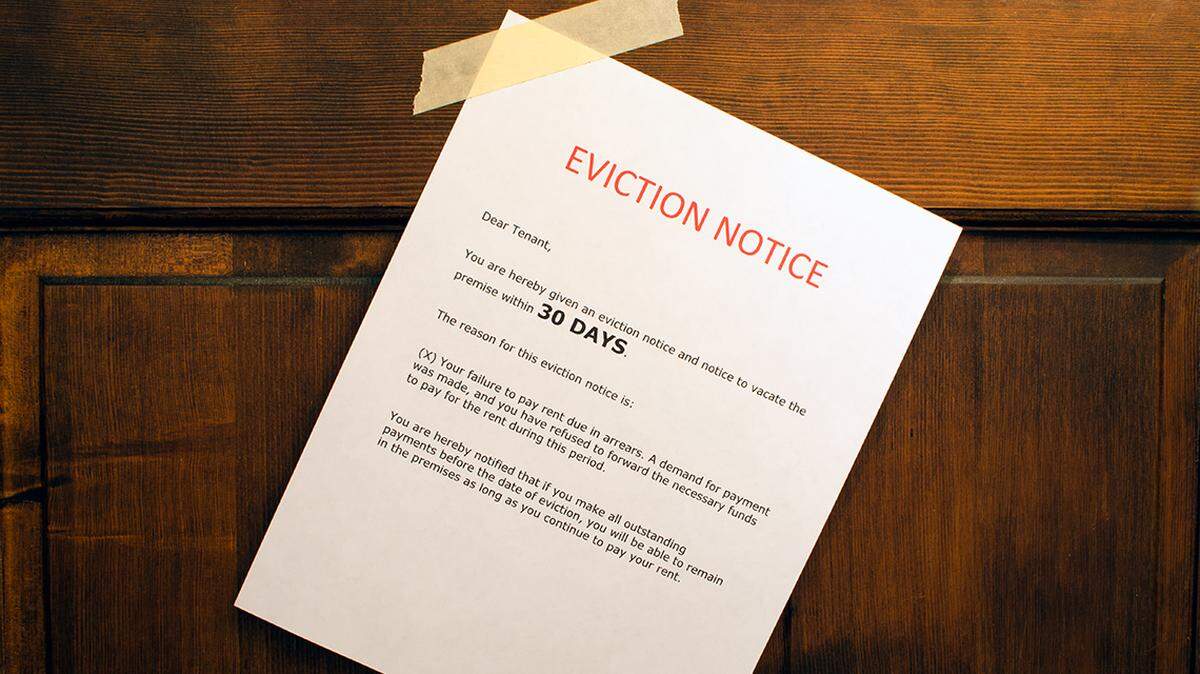
A notice to vacate is a written statement declaring that someone has to move out of their place of residence within a certain amount of time. If tenants don’t comply with this notice, their landlord can file an eviction lawsuit against them. While a notice to vacate is not technically an eviction letter, it often has the same effect: forcing a tenant to find somewhere else to live.
“Most people would consider that an eviction notice,” said Gina Chiala, executive director and staff attorney for the legal aid nonprofit Heartland Center for Jobs and Freedom. “If you don’t get out, and the notice is compliant with the law, then they can sue you and force you out.”
There are three main types of notices to vacate:
Lease violation notices: These occur when a landlord claims that a tenant has violated the terms of their lease agreement.
30-day notices on month-to-month leases: Because month-to-month leases give no guarantee of long-term residency, these notices can be issued at any time and for any reason, except for reasons protected by federal civil rights laws.
Termination notices on longer leases: Some longer-term leases include clauses that allow landlords to “break” leases at any time, without allowing tenants to do the same.
What should I do if I receive a notice to vacate?
The first step is to check whether the notice is valid. Notices must comply with the law and provide a proper amount of time for tenants to leave the property. The Heartland Center has an online toolkit that you can use to determine the letter’s validity.
If the notice is NOT valid: You may be able to dispute an invalid notice in court. Reasons to challenge a notice include:
The notice does not list the proper time frame for you to move out.
The notice claims you have violated your lease, but you disagree.
You believe the notice was issued because of your race, gender, religion or other identity category protected by federal law.
If the notice IS valid: You have the choice to either move out of your home within the specified time frame, or take your landlord to court yourself. If you choose the latter, you will also need legal representation.
“You’re going to need a lawyer to argue some pretty sophisticated legal concepts to be able to make that challenge,” Chiala told the Star. Currently, tenants are not guaranteed representation in court when fighting to stay in their homes — something local activists are working to change.
Disputing an invalid notice and combatting a valid one both require legal assistance. Three organizations in the Kansas City area offer legal services to tenants: The Heartland Center for Jobs and Freedom, Legal Aid of Western Missouri, and the Tenant Representation Initiative at UMKC Law School. Contacting one of these groups is the next step if you wish to remain in your home.
Do I have to move out within the time frame on the notice to vacate?
No. Your landlord cannot physically force you out of your home without a court ruling. Instead, the time frame listed on a notice to vacate is the amount of time you have before your landlord can legally sue you. This time frame depends on the type of notice that was issued.
Lease violation notices allow 10 days for tenants to move out.
30-day notices allow a full 30-day rental period for month-to-month tenants to move out. For example, a notice issued in mid-July must allow tenants to stay until August 31.
Termination notices for longer leases usually allow 30 days for tenants to move out, but the time frame depends on the specific terms of the lease.
If you don’t move out within this time period, your landlord will likely file an eviction lawsuit against you. These court cases are very difficult to win without legal representation. But even if you can get a lawyer, Chiala says, the most common solution is a compromise that still removes you from the property eventually.
“We will try to work with the landlord’s attorney and try to get them to just give the tenant a reasonable amount of time to find new housing,” she said. “If it’s a notice to vacate and it’s valid, you’re talking about having to change a landlord’s mind, which is pretty tough.”
In general, tenants have very little recourse against a landlord’s decision to sell or renovate a property. Month-to-month leases and some longer-term leases also allow landlords to remove tenants at any time, for any reason. If your landlord issued the notice to vacate legally, it’s very unlikely that you will be able to stay in your home.
What rights do tenants have?
The short answer: not a lot.
“Missouri is one of the worst states to be a tenant in the country,” said Wilson Vance, an organizer with the housing justice group KC Tenants. “There’s nothing you can do. You just have to get out.”
In Kansas City, landlords are not allowed to remove tenants as retaliation for asking about repairs to their building or organizing collectively with other tenants. However, the rest of the state does not provide even these minimal protections.
“Missouri doesn’t have any additional rights other than what’s granted to us on the federal level,” says Vance. Her organization, as well as the Heartland Center, believe that the entrenched power imbalance between tenants and landlords is part of what makes the system so hostile to people facing eviction.
“There’s not any real negotiation when you need housing and housing is scarce,” said Chiala. “What we really need is for tenants to organize and gain more power, not just in Kansas City, but all across the state.”
Do you have more questions about tenants’ rights or housing justice in Kansas City and beyond? Ask our service journalism team at kcq@kcstar.com or fill out the form below:
This story was originally published December 3, 2021 at 1:10 PM.
.jpg)