Know your tenant rights as it gets cold in Kansas City. What to do if your heat is out
READ MORE
Resources for renters
What are your rights as a tenant? What should you do if you need to break your lease, or are handed an eviction notice? Here’s what you need to know about navigating housing issues in Kansas City.
Expand All
With temperatures dropping in Kansas City, it’s time to turn on the heat. Hopefully, that’s as simple as flipping a switch. But if you’re renting an apartment and heating your unit is more complicated—like if your heater is broken or your landlord turned it off—we’ve got you covered.
The Star’s service team reached out to local legal experts to learn more about what to do if your heat is out, in both Missouri and Kansas.
Do tenants have a right to a heated apartment in Kansas City?
The short answer is yes.
In Missouri, landlords have an obligation to make sure the units they rent have plumbing, heating, electrical and other necessities up to date and working before a new tenant moves in. And, they have an obligation to keep apartments “habitable,” which includes keeping it heated, said Michelle Albano, an attorney with Legal Aid of Western Missouri.
It’s illegal for landlords to turn off a tenant’s essential utilities in Missouri, unless it’s for health and safety reasons.
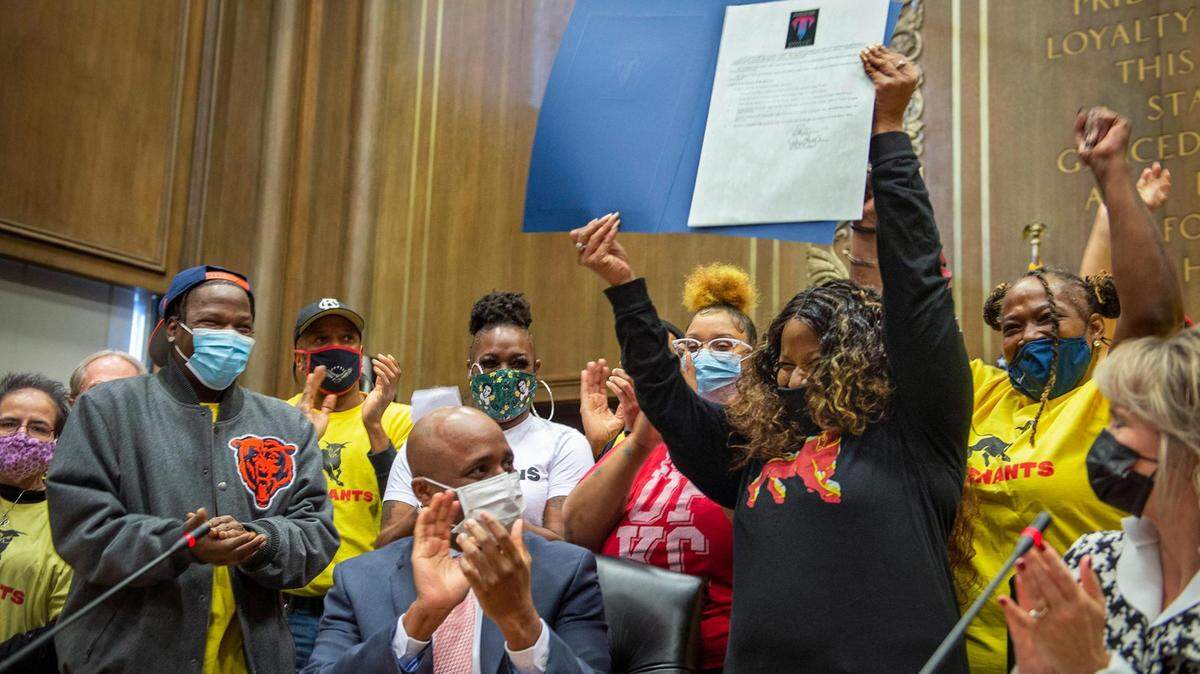
In addition to the state law, Kansas City has some additional protections for renters as part of its Tenant Bill of Rights, which passed through the city government in 2019. It includes that “tenants have the right to housing that can be heated to a habitable temperature.”
In Kansas, the law says clearly that the landlord is required to supply heat during the winter months, and that it must be possible to keep the temperature in the apartment at 68 degrees between October and May.
While the landlord doesn’t have to pay for utilities, they must provide working equipment, according to the state law.
What should tenants do if the heater isn’t working, they can’t turn it on or if their landlord turns it off?
Albano from Legal Aid said that tenants in Missouri should first ask their landlord to repair the heater.
The law says a tenant should request that repair within a “reasonable amount of time.” An example of something a judge may consider an unreasonable amount of time would be if a tenant waited until the pipes in the apartment froze and burst before they notified the landlord, Albano said.
The main thing to know: Report any significant issues as soon as possible, and in writing, Albano said.
Albano also recommended that tenants keep a copy of any emails, texts or letters they send to their landlord about repairs. If the repairs still aren’t made 14 days after the request, the tenant can seek help to fix the problem on their own and can deduct the cost from the following month’s rent. It may be smart to talk with a lawyer or housing advocate before that. Some resources are listed further down.
It’s not that different in Kansas. Landlords must repair anything that makes the apartment unlivable. Kevin Thompson, a tenant attorney with Kansas Legal Services, recommended that tenants request repairs from their landlord, and the state law says those requests should be in writing.
Tenants can take the cost of repairs out of the following month’s rent payment if both the landlord and the tenant sign an agreement to do that, according to state law.
What if your landlord still doesn’t fix or turn your heat back on?
Missouri renters in Kansas City can contact the city through its Healthy Homes Rental Inspection Program or by calling the city’s tenant advocate, Tiffany Drummer, at 816-513-3026. Or, you can call 311 or report it online.
If nothing happens after all of that and the unit has become unlivable, tenants can talk to an attorney about other legal options, Albano said.
Important tip: Still pay your rent. Albano does NOT recommend holding out on paying rent if your heat is off because Missouri landlords can then sue and evict you for nonpayment.
Kansas tenants can also call their local code enforcement. For instance, people in Wyandotte County can contact the rental inspection division for issues that the landlord isn’t responding to. The same goes for Olathe and Overland Park residents.
Thompson from Kansas Legal Services said besides calling for local code enforcement, tenants have another option, but it could be risky.
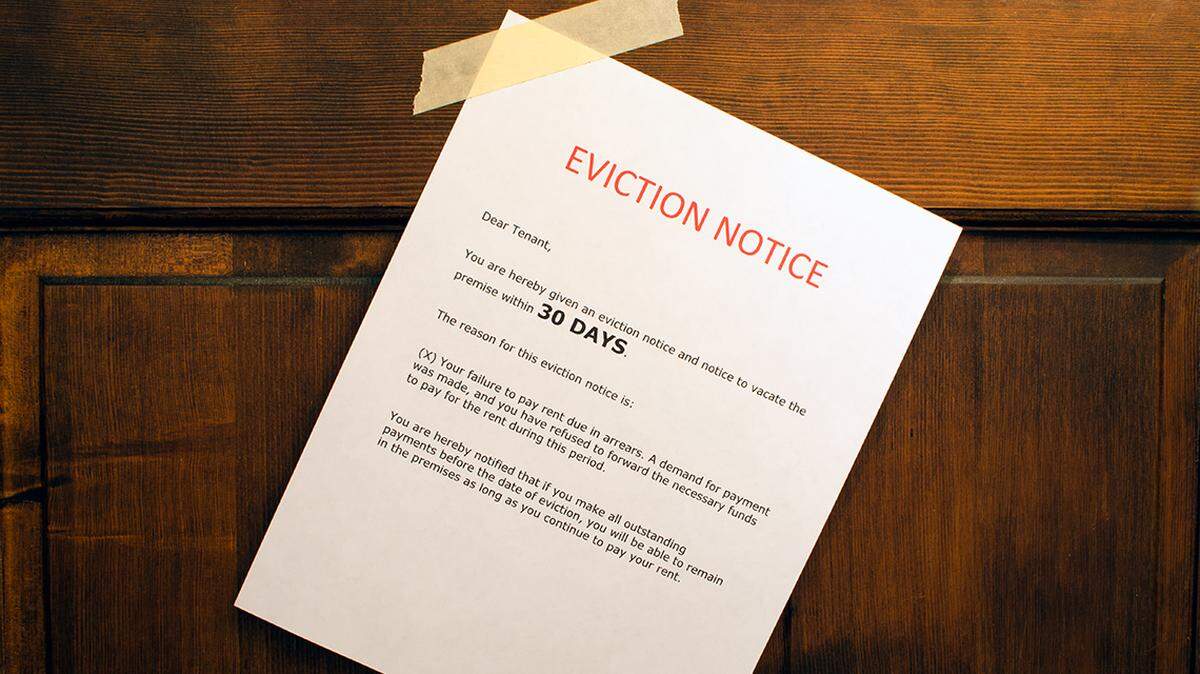
Tenants can give their landlord 30 days’ notice and then break the lease because of the living conditions. Thompson recommended talking with a lawyer before you pursue this option to see what’s best for your situation.
Who can you call if you have more questions about your rights as a tenant or as a landlord?
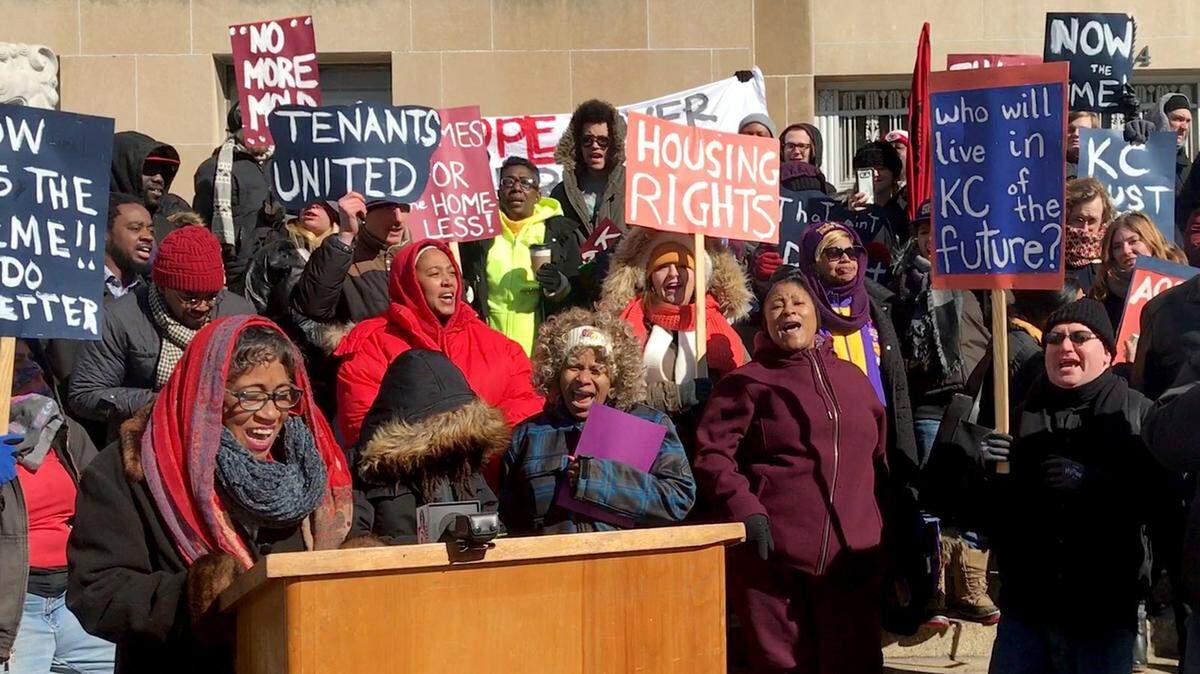
Here are a few local housing organizations, including Kansas City’s tenant union, and several legal service providers.
KC Tenants: 816-533-5435
Heartland Center for Jobs & Freedom: 816-278-1344
Legal Aid of Western Missouri: 816-474-6750
Kansas Legal Services: 913-621-0200
Kansas Housing: 785-217-2001
If you need help paying your rent or utilities, especially if you lost income because of COVID, the United Way of Greater Kansas City has this list of local emergency rent and utility relief programs that can help, depending on which county or city you live in.
Do you have any other questions about your rights or your home? Is there a program we missed? Any additional assistance? Reach out to us at kcq@kcstar.com or fill out this form and let us know.
This story was originally published November 2, 2021 at 3:36 PM.