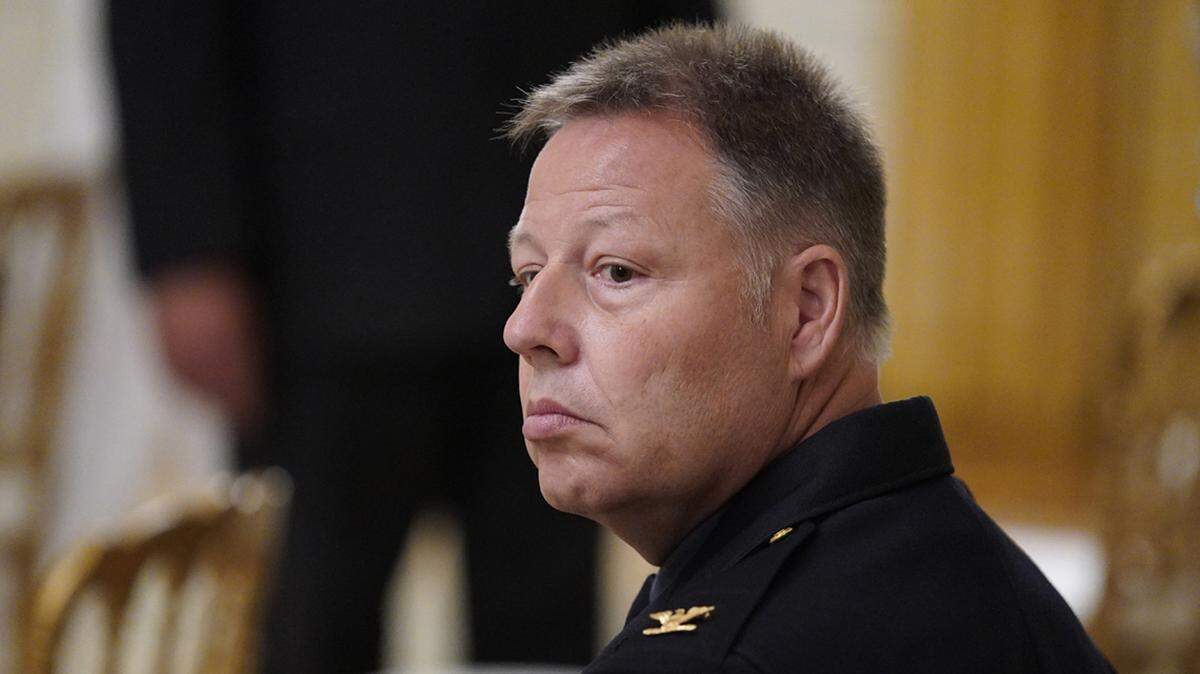
KCPD Chief Rick Smith has had a tumultuous tenure. Here are some of the controversies
Kansas City Police Chief Rick Smith is being forced out of his role as the city’s top cop following a tumultuous four-year tenure that has long been met with calls from community leaders for him to be fired.
Smith, who was appointed to fill the role in August 2017, has overseen a department steeped in controversies related to police use-of-force, racial discrimination, a questionable system of accountability for officers, the killings of Black men by police and the city’s high homicide rate.
The top cop is leaving the department under pressure from Mayor Quinton Lucas and the Kansas City Board of Police Commissioners, a state-appointed panel with the authority to make personnel and spending decisions, The Star has learned. In a statement Tuesday, a police spokeswoman confirmed the chief intends to retire but characterized the decision as a voluntary one. He is expected to leave his post in March 2022.
Reaction to the news was swift. Longtime critics of the chief, including activists and faith leaders, celebrated the announcement.
“There have been activists that have been out there in front of the police station every Friday, rain, sleet and snow,” said Stacy Shaw, a Kansas City attorney and activist. “This is a win for the community.”
Use of force cases
Community activists have long accused the chief of doing little to address excessive uses of force administratively, including by allowing officers accused of such complaints to remain on the department payrolls while being investigated for criminal charges.
The most high-profile example of late was Eric DeValkenaere, a Kansas City police detective convicted last week of second-degree involuntary manslaughter and armed criminal action in the shooting of Cameron Lamb. Prosecutors at trial contended Lamb was unarmed — contradicting the official police account — and officers had no legal authority to be on his property when DeValkenaere fatally shot him in his backyard.
Following a criminal indictment, DeValkenaere was initially placed on suspension. But that decision was reversed, and he was placed on an administrative assignment in the Executive Services Bureau, which handles budgeting, facilities, purchasing and building operations matters, among other things. He was suspended pending termination after his conviction Friday.
Other police officers facing criminal charges also have been shuffled over to jobs in the Executive Services Bureau. In July, The Star reported that four other officers were assigned there with pay as they awaited trial, including two accused of felony assault.
Summer protests
In the wake of the death of George Floyd at the hands of Minneapolis police, area activists took to Kansas City’s streets for a series of demonstrations in the summer of 2020 that aimed to address flaws in the criminal justice system. Protesters highlighted Floyd’s death among local examples of Black men killed by police, including Lamb, Terrance Bridges and Donnie Sanders. Bridges and Sanders were unarmed when they were shot.
The protests cast additional attention on Smith after some protesters were injured at the hands of police officers posted at the Plaza for the purpose of keeping order. Officers used tear gas and pepper spray on the crowds, an action Smith defended at the time, and made more than 150 arrests.
One video widely shared on social media captured the arrest of Tarence Maddox during which he and his teenage daughter were pepper sprayed while standing near Brush Creek. Maddox filed a lawsuit against the police department, and an officer was charged with misdemeanor assault.
Accountability
Up until the 2020 protests, Kansas City police officers were still handling investigations of deadly use of force internally, a practice criticized by police accountability experts. Officers also did not wear body cameras, which have been rolled out in many departments around the country.
While no one from the office has publicly called for the chief to resign, pressure between police and prosecutors has been out in the public sphere over recent years that suggests a tense relationship between the chief and Jackson County Prosecutor Jean Peters Baker.
Baker has criticized the department for not submitting statements of probable cause, an affidavit submitted by police investigators in criminal cases, to her office in cases where police may have committed a crime. The prosecutor has said the issue demonstrates a lack of department leadership’s willingness to punish its own when wrongs are committed by officers.
Baker has also criticized the department for sending low-level drug cases through the system that never make their way into a courtroom. She has urged the department to instead focus more on violent crime.
KC NoVA
Among the earlier decisions made by Smith upon becoming chief was disinvestment in a strategy credited with reducing Kansas City homicides. Smith decided to pull officers from the program until it was effectively replaced with a federal crime-fighting strategy.
Called the Kansas City No Violence Alliance, or KC NoVA, the effort was lauded by many and received national recognition after killings in the city dropped to a historic low of 86 in 2014. The program used an approach called focused deterrence that targeted police resources based on the concept that a small group of people are responsible for most violent crime.
Last year, the city saw 182 homicides, the most in the city’s history. The rise followed a national trend. But many activists and other area authorities have pointed to the disinvestment of the program as a contributing factor in Kansas City’s heightened rate of killings.
The city has recorded 136 homicides so far this year.
The Star’s Glenn E. Rice and Katie Moore contributed to this report.