Here is one Olathe student’s advice for peers struggling with mental health
READ MORE
Exhausted. Overwhelmed. In crisis.
Most school districts in the KC area don’t have enough school counselors to address mental health issues. Educators and parents are stepping up to help.
Expand All
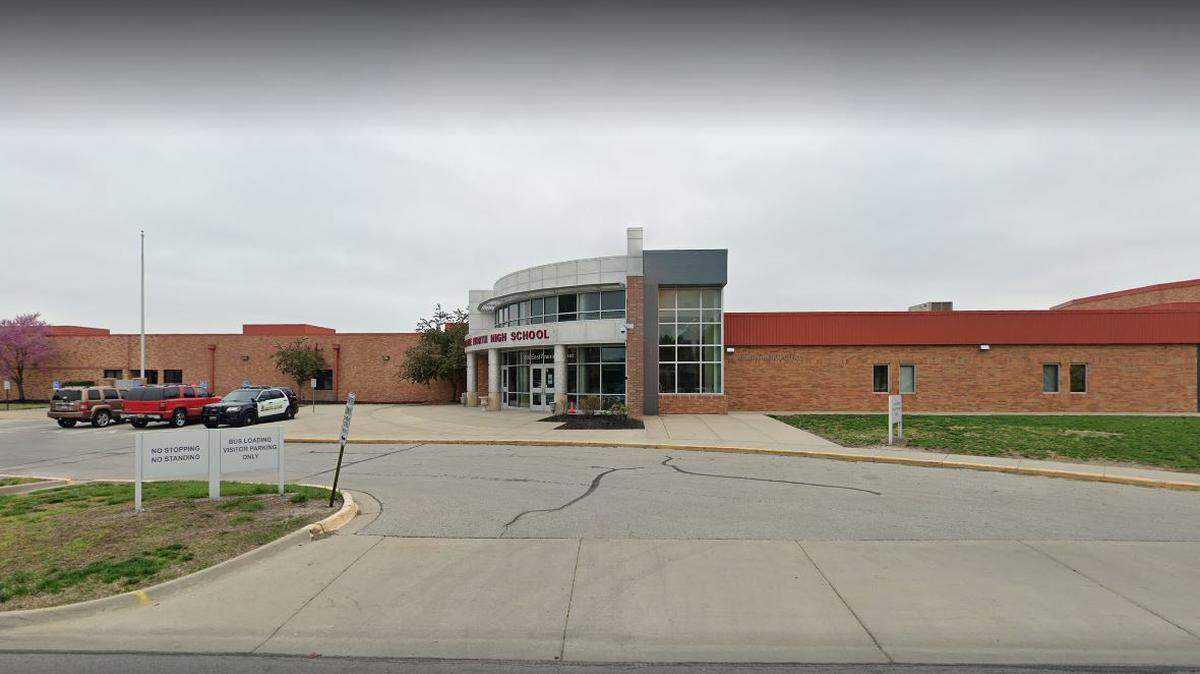
Imaje Harvey was a sophomore at Olathe North High School when she was diagnosed with depression and anxiety.
Shortly after getting help, she got involved with Zero Reasons Why, a teen-led suicide prevention program spanning Johnson County schools. Harvey, now 17 and a senior, plans to become a clinical psychologist.
She spoke to The Star about her experience as a peer leader in mental health, and why all generations should have their eyes on the world’s future leaders.
This interview has been edited for length and clarity.
What was your journey to realizing that you wanted to find help, and where did that help come from?
It was easier for me because it happened at such a younger age that I had the years and time for me to get to the point that I wanted to speak about it a little bit earlier, to where I could still help my peers while I was a student.
I had been feeling anxiety and things like that ever since I was like 10. I had always been the type of friend who would help other people out; I was always listening to other people’s stories. I tried to not make the attention be on me. And so it was really hard for me to get to a point where I wanted to actually talk about it.
It wasn’t until my sophomore year because I had started just feeling so down. I had gotten to a point where I was actually suicidal, and it was really really hard on me. I was having breakdowns like every other day in class. I was just not focused on anything; I didn’t care about anything anymore. It got to a point where it was harming me too much to not talk about it with anybody.
I had a really good support team and that really helped me to find my voice to be able to talk to people, to get a therapist for a short time, and it really helped me to want to talk about it so I can tell other people that it’s okay to get the help they need.
What is weighing on your generations’ shoulders right now?
A lot of my generation feels like we have to be the advocates for these things, such as mental health, such as racism, inequalities and climate change, because we feel like other generations haven’t in the past, or haven’t enough.
It’s really hard because as we’re trying to be a kid half the time we’re also trying to do these things that we feel are right. But it’s also messing with our childhood a little bit because we’re not thinking enough about being a kid.
I have to help with women’s rights; I have to help with racism. I’m going to protests and reposting this and giving my opinion on these things and sometimes we forget to take a step back and breathe. I’m an African American woman, And so it was really hard during the Black Lives Matter protests just constantly seeing videos of people getting hurt and killed in these videos and it’s just like, I’m trying to do everything I can to help and advocate for these things while I’m also trying to be a kid. I’m trying to stay on top of my grades. You forget to take a step back and be like, you’re only 15, 16, 17.
What can your generation teach others when it comes to mental health?
I know it’s such a cliche but it’s okay to not be okay. Every single time I’ve ever had a talk with adults, it’s always been someone talking about how it took them 20 plus years, usually, to even talk about the issues that they’re going through. I couldn’t have made it 20 years; I’m like I really hated my five-ish years.
There’s always going to be someone else who understands what you’re going through, and people are going to be there to not judge you for what you’re going through. My generation is helping move that way because everyone, for the most part, is getting a lot more comfortable with talking about their story.
When I’m talking with my peers, there isn’t a stigma about mental health. We all are talking about oh I suffer from anxiety, I suffer from depression, I have ADHD. I know most of the mental health issues that my friends struggle with, and it doesn’t affect the way I see them at all. It just helps me understand them better.
Why is youth leadership so important in the mental health conversation?
We’re going to be the future leaders of the world, and so for us to not be a part of the conversation just because we’re not old enough to vote yet, it doesn’t make any sense because you’re shaping the world that we’re going to be leading eventually.
Children are a lot smarter than people give us credit before. I know I’m still a minor, but we understand a lot bigger concepts and we understand how these things work a lot better. And I feel like listening to the empathy that kids have always just makes the world better.
What advice do you have for parents who might not yet have had conversations about mental health with their kids?
I would just say, really check in with your kids. A lot of kids in general are afraid that their parents will think that they’re just complaining about nothing; they’re not that stressed; that they’re not suicidal.
Really check in with your kids and not just a quick hey how are you doing? Say how have you been? Are you OK? Is your workload OK? Ask them questions about what their stress is like. Do they need time to just catch up with things? Do they need a day to just relax?
Sometimes kids just can’t function with everything going on. Listen to your kid when they’re telling you I’m struggling with this. I don’t think I can do this today.
What advice do you have for peers who are struggling, but who haven’t shared those struggles with anyone yet?
Know that you’re not a burden to anyone. Everyone would rather you talk about all your feelings all the time and still be here than you not being here.
Whether it’s your friend, whether it’s a counselor, whether it’s your parents, find someone that you’re really comfortable with and confide in them what you’re feeling. Sometimes you have to feel a little bit uncomfortable in order to feel better. And that’s okay. Just know that everyone would rather you still be here and rather you’d be happy than to just be struggling by yourself.

This story was originally published October 20, 2021 at 5:00 AM.