6 million Americans have bipolar disorder. What is it? How is it diagnosed, treated?

READ MORE
‘There’s something terribly wrong’
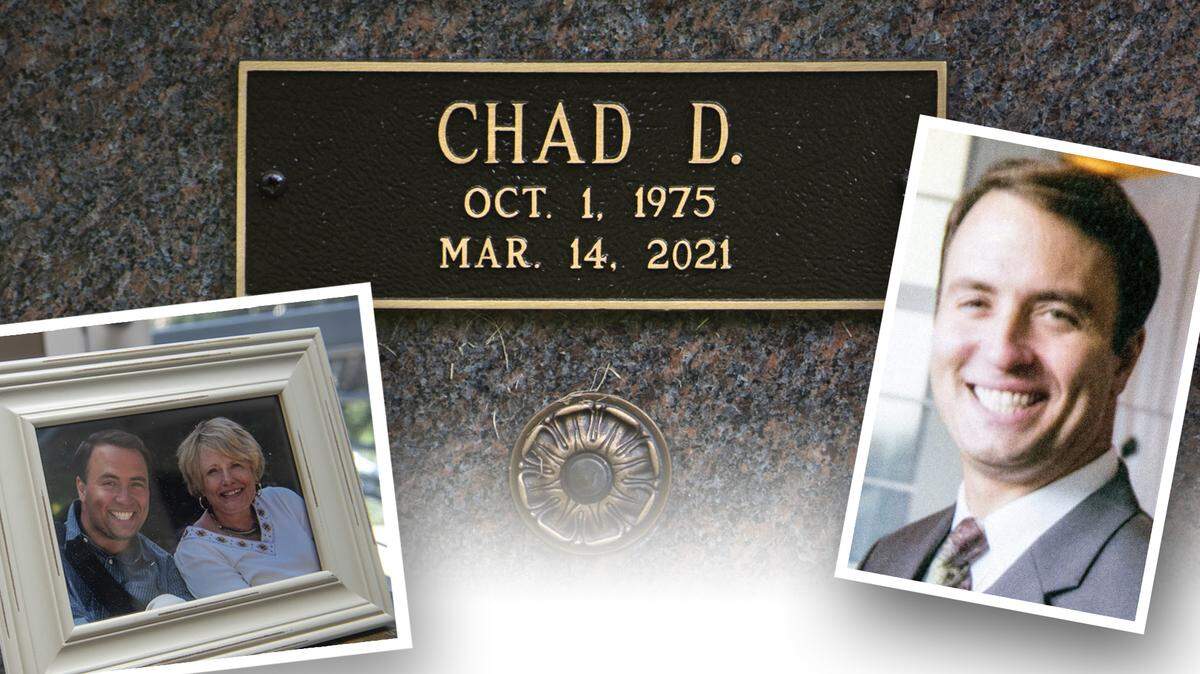
His family tried to save him. They blame his downward spiral into death on his mental illness, and his lawyers.
Expand All
Everyone experiences ups and downs.
But people with bipolar disorder find their state of mind altered so much that they can’t perform day-to-day activities, maintain relationships or take good care of themselves. The disorder often requires a lifelong treatment plan.
Here is information on the condition from the National Institute of Mental Health:
What is bipolar disorder?
Bipolar disorder, formerly known as manic-depressive disorder, is, as its name suggests, a debilitating fluctuation between two polar opposite moods.
Mania is the high point, sometimes accompanied by psychotic thoughts, including delusions of grandeur or severe paranoia. The less severe hypomania may simply be an elevated yet abnormal mood characterized by reckless or impulsive behavior.
With depression, the low point, the same person who was manic may have trouble sleeping, derive little or no enjoyment from activities or feel unable to complete simple tasks.
The three main varieties — bipolar I, bipolar II and cyclothymic disorder — are classified by the severity and duration of the mania and depression.
How is it diagnosed?
Roughly 6 million Americans have bipolar disorder, according to the National Alliance on Mental Illness.
It is usually diagnosed by a mental health professional, such as a psychiatrist, often when a patient is in late adolescence or early adulthood.
Patients often start with the family doctor. Health professionals use physical and mental health assessments to pinpoint the disorder. People with bipolar disorder are sometimes diagnosed with other mental illnesses, such as attention deficit hyperactivity disorder.
Genetics can play a role. People with a close relative with the disorder are more likely to have it, too, research shows. Doctors will ask patients whether there is a history of mental illness in the family.
How is it treated?
Treatments vary, but patients often receive mood-stabilizing prescription medication along with regular therapy sessions, where patients can talk through problems.
Resources such as support groups are also available.
Drugs prescribed may include antidepressants and antipsychotics. Others may be given to treat associated sleep and anxiety disorders.
According to the NIMH, people taking such medication should:
▪ Discuss the risks and benefits with their health care provider
▪ Be transparent about other medications being taken
▪ Report any concerns of side effects immediately
▪ Take medication consistently — even after the person feels better
This story was originally published September 19, 2021 at 5:00 AM.