On The Vine: It hits a little different
Hello and welcome to March 383rd, 2020.
In all seriousness, thanks for inviting us into your inbox!
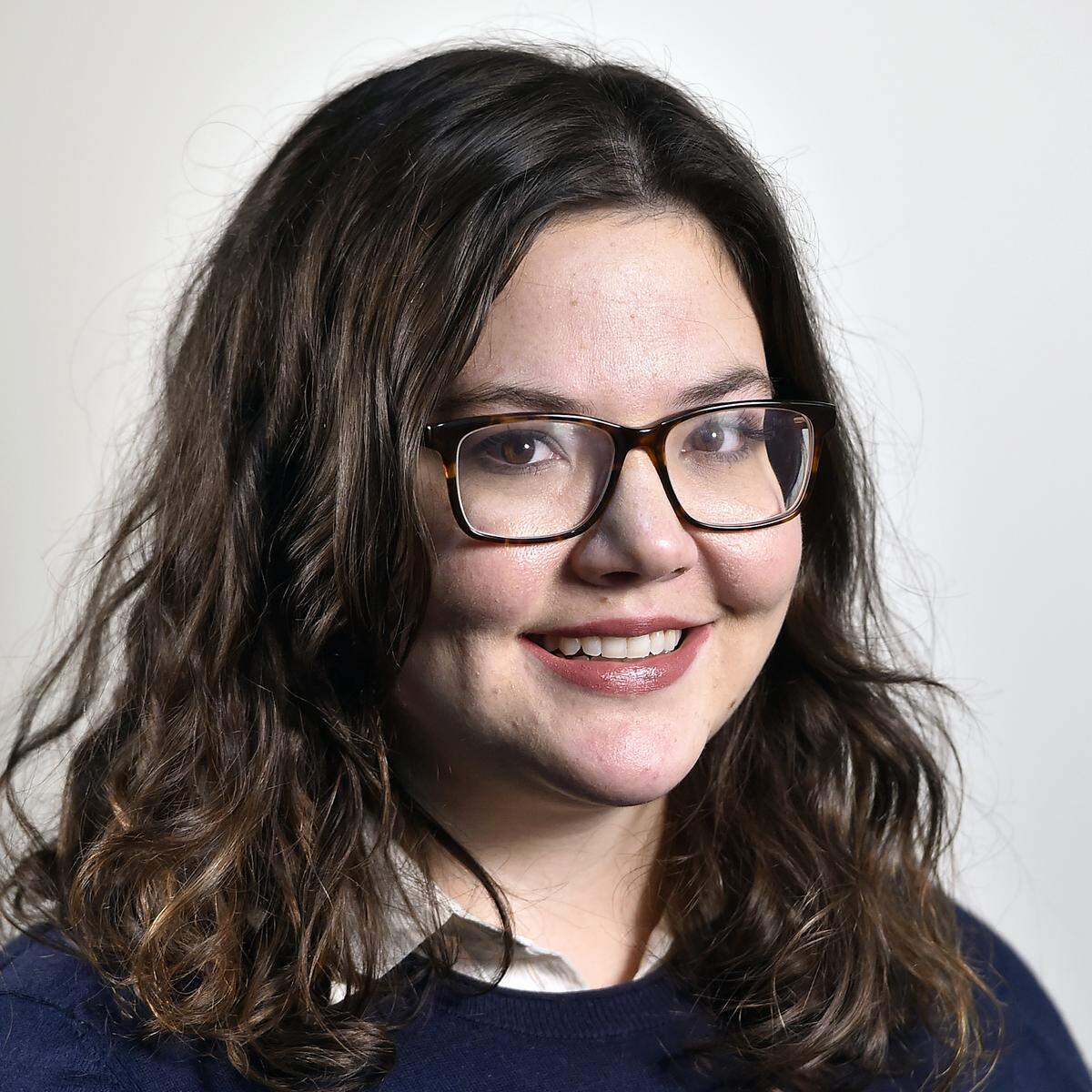
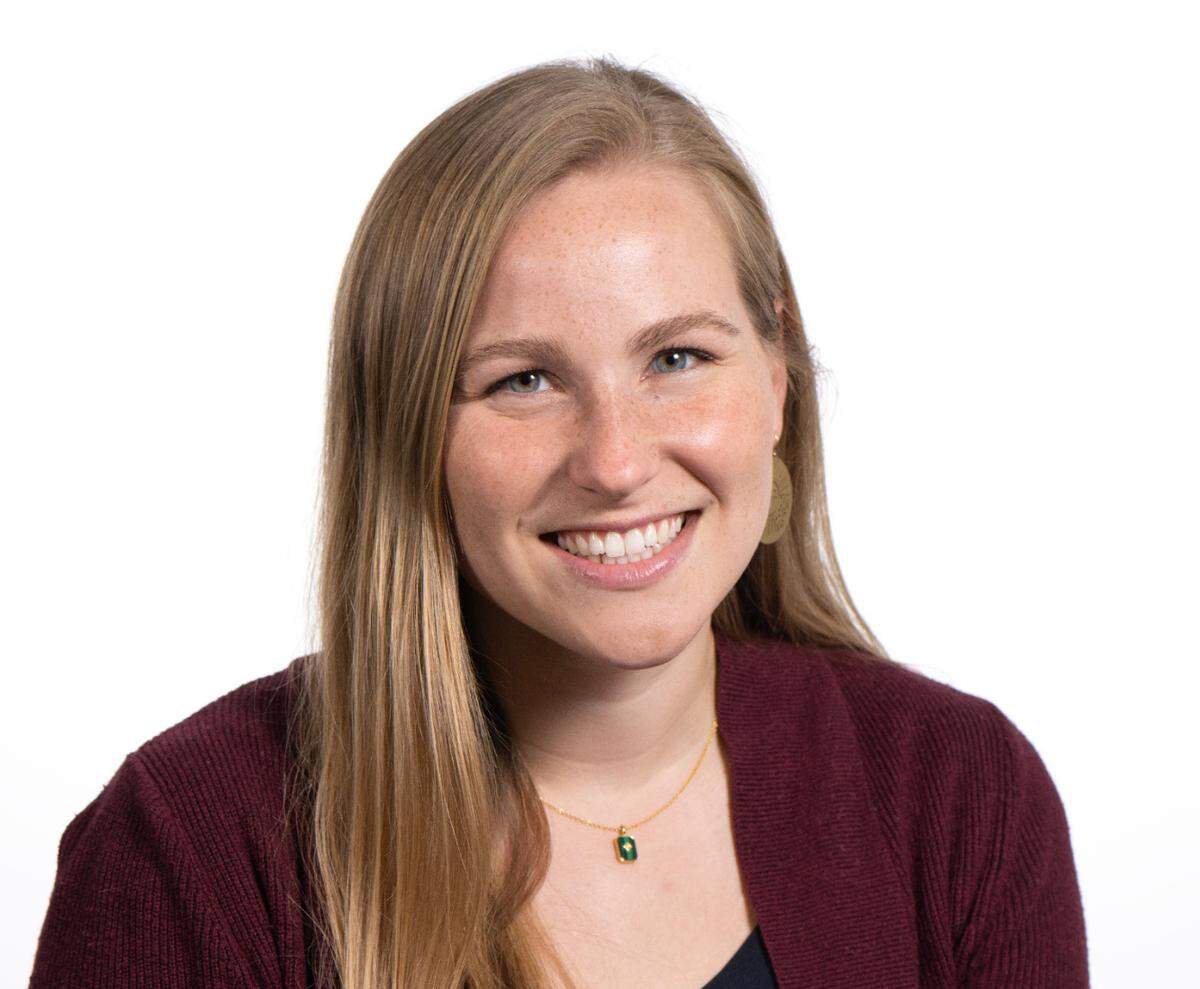
It’s Women’s History Month, which means women of The Star are taking over the newsletter. This week, you get Anna Spoerre and me.
This is my second draft of the newsletter because when I sat down, I wanted to write something uplifting, something that celebrated women. As a hard-edged news reporter, something that’s flexing a writing muscle I don’t exercise much. And this last year has been hard for women, so what to write about?
Women have left or been removed from the labor force in droves. The percentage of women working or looking for work is the lowest it has been in more than three decades. For Black women and Latinas, the drop-off has been more severe. Women who are still working have had to take on nearly unmanageable loads between their professional and personal lives. We may see the wage gap widen after so many years fighting to close it.
And as my iPhone alerts me to photos from one year ago — the early days of the pandemic when so many baked bread, watched Tiger King, delivered meals to one another, sewed masks and hunkered down for what we thought would be a few weeks — I can’t help but feel that we strayed so far from that sense that we were all in this disaster together.
Those “weeks to slow the spread” gave way to a year-long pandemic that forced women into a dead sprint for 12 months just to keep their families taken care of and their professional work done.
Women have lost so much this year, so Women’s History Month hits a little different.
But still, there are bright spots, particularly in the world of music and entertainment. More people are getting COVID-19 vaccinations, putting us that much closer to getting back to “normal,” and they have a Black woman to thank for her invaluable work developing it. The country elected its first woman vice president — also its first Black and South Asian American vice president. The first Native American woman was confirmed to a Cabinet post this week.
And we can still celebrate the strength and resilience women in our own community show every day. And with that, I give you a story by Anna Spoerre about La’Trice Murray, who while stranded at home by the pandemic, turned her yard into an urban farm...
Around the Block
‘Black Farmer Jane’ set out to bring healthy, affordable food to Kansas City’s urban core
Last year La’Trice Murray, an east side resident, noticed many residents at her grandmother’s senior living facility lacked fresh produce. Then she noticed many families in her neighborhood lacked reliable transportation to supermarkets outside of the urban core.
Since she’d recently taken up gardening as a hobby, Murray decided to put her skills to work.
She created a business — Black Farmer Jane — aimed at bringing affordable, fresh produce to food deserts across the country, starting with Kansas City. Her first urban farm came to life from the dirt outside her home. As of this month, Black Farmer Jane has expanded with urban farms in three other cities.
“It’s like you’re just in the world at peace,” she told me. “There’s nobody but you and God and the garden.”
Murray plans to start selling produce on Saturdays in July from her backyard farmers market. In the meantime, she’s selling a fruity line of wine that she labeled “Teneil.” It’s her middle name, chosen by her grandmother, and it means “passionate champion.” Just try to find a sweeter note to end on.
On the symbolic importance of the Negro Leagues museum providing COVID-19 vaccines
On Monday, more than 600 people filed through the Negro Leagues Baseball Museum’s doors to get their COVID-19 vaccinations.
It was the opening day of a weekly vaccination clinic set to run every Monday for at least six weeks thanks to the museum’s partnership with Hy-Vee.
“A year after contending with “a veil of uncertainty and fear like everybody else, not knowing what the heck is going on … we are trying to be part of the solution to getting rid of this dastardly virus,” said Bob Kendrick, president of NLBM. “I guess that is a sign of progress and optimism and hope. But, again, those are the things that are embedded in the story of the Negro Leagues.”
Kendrick told The Star he hopes the museum can help dispel the lack of trust in the African American community of the medical professions.
“This had been passed down from generation to generation, and we’ve got to kind of continue to chip away at that stigma,” he said. “And so you hope that doing it in this environment makes getting this vaccine less threatening. It’s not the same as going into a medical facility. And maybe someones saying, ‘OK, if the Negro League museum is providing this, maybe this ain’t that bad after all.’ And I think it’s important for the community to see and hear that.”
‘This guy could actually kill me.’ How Kansas law still lets domestic abusers have guns
Amy Miller’s ex-husband made it clear he wanted her dead.
This sentence, written by The Star’s Katie Bernard, made me shudder.
Miller, a 39-year-old Lenexa, Kansas, woman, shared her story of running from her abuser with The Star. She talked about fearing for her life because he still had access to guns.
“It was a really deer in the headlights, watching every road and every parking lot and keeping my eyes literally on every single space surrounding me. Maybe he could be following me, maybe stalking me,” she said.
Miller is among thousands of domestic violence survivors in Kansas, many of whom still fear their abusers and might even need to interact with them because of children.
A Kansas lawmaker and former Moms Demand Action activist wants to improve the safety of these survivors with a bill requiring domestic abusers, like Miller’s husband, to relinquish their firearms. A house panel is scheduled to hold a hearing this week.
In case you missed it:
KS Senate approves bill barring transgender students from participating in girls sports
Kansas City’s Boulevardia cancels a 2nd year in a row because of COVID, looks to 2022
- Kansas Senate GOP leader booked into jail, released, on allegations of DUI, fleeing officer
- Historic House of Hits building in Kansas City’s 18th & Vine Jazz District collapses
Beyond the block
This week has been heavy. Violence against women certainly isn’t new, but some weeks we’re reminded more often than others. This week’s reminders came in the form of headlines with the names of women killed by men both in America and across the sea.
On Wednesday, my Twitter feed was inundated with outcries and outrage over the killing of eight people, including six Asian American women, at Atlanta-area spas the day prior. So far, we know the names of four of the victims: Delaina Ashley Yaun, 33, of Acworth, Ga.; Xiaojie Yan, 49, of Kennesaw, Ga.; Daoyou Feng, 44; and Paul Andre Michels, 54, of Atlanta.
Georgia state Sen. Michelle Au told the Washington Post that regardless of what authorities determine to be the motive for Tuesday’s shootings, “it is taking place in a landscape where Asian Americans are increasingly terrified and fearful for their lives and their safety because of these escalating threats against our people.”
Sunday marked one year since Louisville police officers shot into 26-year-old Breonna Taylor’s apartment, killing her. The officers who fired into her apartment never faced charges.
“It is profoundly gut-wrenching how much injustice can be packed into just 365 days. … A Black woman was murdered by the police in her home, in the middle of the night, and nothing has fundamentally changed,” Missouri Rep. Cori Bush told The 19th. “That is the reality of this one-year anniversary and a devastating reflection of how our society values Black people — and Black women in particular.”
Last week, a 33-year-old woman named Sarah Everard went missing on her walk home in London. Her body was found days later. A police officer has since been arrested in her killing, sparking renewed calls across the U.K. that violence against women be addressed more seriously.
A year into the pandemic, LGBTQ+ life and death remains largely invisible
A recent article by The 19th highlights the need for tracking the impact of the coronavirus on the queer community, members of which historically face higher levels of discrimination in healthcare. The article cites a 2017 survey of LGBTQ+ folks which found 8% of those surveyed said they were refused care because of their sexual orientation and 29% said they were denied healthcare because of their gender identity.
From reporter Kate Sosin:
For the past year, LGBTQ+ people in the United States have navigated a virus that most experts say has disproportionately but silently ravaged their communities. Last month, the Centers for Disease Control and Prevention reported that LGBTQ+ people face myriad health disparities that put them at higher risk for complications from the virus.
Still, despite those increased risk factors, the federal government hasn’t collected data on how many queer people have been infected with or died from COVID-19.
According to the CDC, an estimated 65% of LGBTQ+ Americans have preexisting health conditions such as cancer, asthma, heart disease, kidney disease, HIV and diabetes that put them at higher-risk of severe illness and death in the pandemic. Those challenges are often the product of discrimination, and lack of access to food and medical care, according to the CDC.
“There’s a lot of talk around health equity, but because we don’t have the data behind this, we’re not going to be able to actually make a case,” said Dallas Ducar, the CEO of Transhealth Northampton. “If we don’t track the impact of COVID on the queer community … we will not necessarily have the ability to make an argument that the resources and support are necessary.”
In other news:
- ‘We’re all exhausted, but teachers doubly so’: Educators in office on the pandemic, teachers and students
- Deb Haaland Becomes First Native American Cabinet Secretary
- 2 jurors dropped from Chauvin trial after announcement of $27-million settlement
And back to Allie...
For the culture
Oscars nominations are here!
Candidly, I’m way behind on new movies. Since the Tiger King-era of the pandemic, I’ve rewatched a lot of favorite movies and comfort shows. But this news is inspiring me to pop some popcorn and count down the days until I can have a gallon of movie theater popcorn again.
This year marks the first time there has been more than one woman up for best director: Chloé Zhao (“Nomadland”) and Emerald Fennell (“Promising Young Woman.”)
But “Da 5 Bloods,” thought when it was released to be a strong Oscar contender earned only a “best original score” nomination. The movie, written by Spike Lee and Kevin Willmott, a University of Kansas professor, follows Vietnam War veterans who return to the country to find the remains of their squad leader.
Lee and Willmott won best adapted screenplay in 2019 for “BlacKkKlansman.”
The films up for best picture: “The Father,” “Judas and the Black Messiah,” “Mank,” “Minari,” “Nomadland,” “Promising Young Woman,” “Sound of Metal” and “The Trial of the Chicago 7.”
In honor of Women’s History Month, women clean up at the Grammys
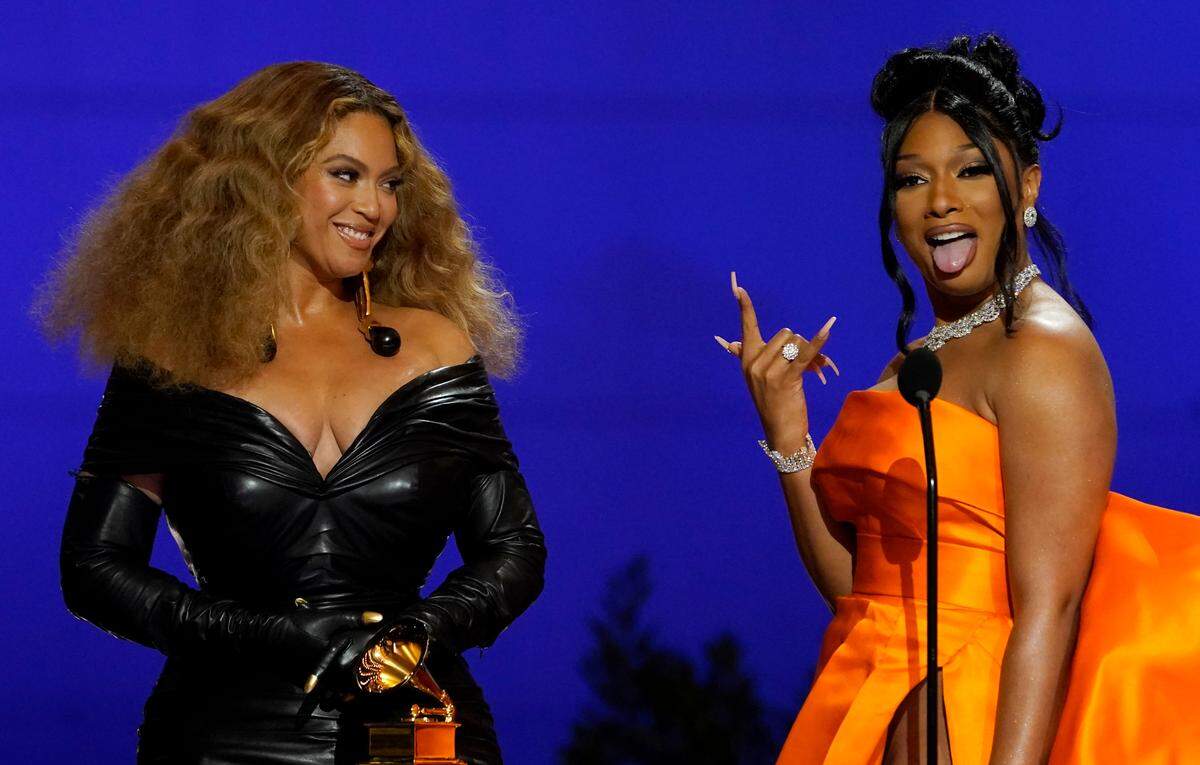
On Sunday, Beyoncé became the winningest woman in Grammys history, taking home two awards for her performance on Megan Thee Stallion’s “Savage,” one for her own “Black Parade” and the best video award for “Brown Skin Girl” with her daughter Blue Ivy and Wizkid.
The prized “album of the year” award went to Taylor Swift for “Folklore,” the first of two studio albums she put out in 2020 while I was making elaborate iced coffees at home. The win made her the first woman to win the prize three times.
All four of the top Grammys prizes went to women this year.
Swift took home the album prize. Billie Eilish won record of the year for “Everything I Wanted.” H.E.R. took home song of the year for “I Can’t Breath,” and Megan Thee Stallion won best new artist.
Two of the Grammys have Kansas City connections.
John Legend won best R&B album for “Bigger Love,” which was produced by Justus West, an Overland Park native and Shawnee Mission West High School graduate.
West also co-wrote the song “Always.”
And David Frost won classical producer of the year for several albums, including a recording of Michael Stern and the Kansas City Symphony.
Overdue conversations about racial injustice have come to a head at “The Bachelor”
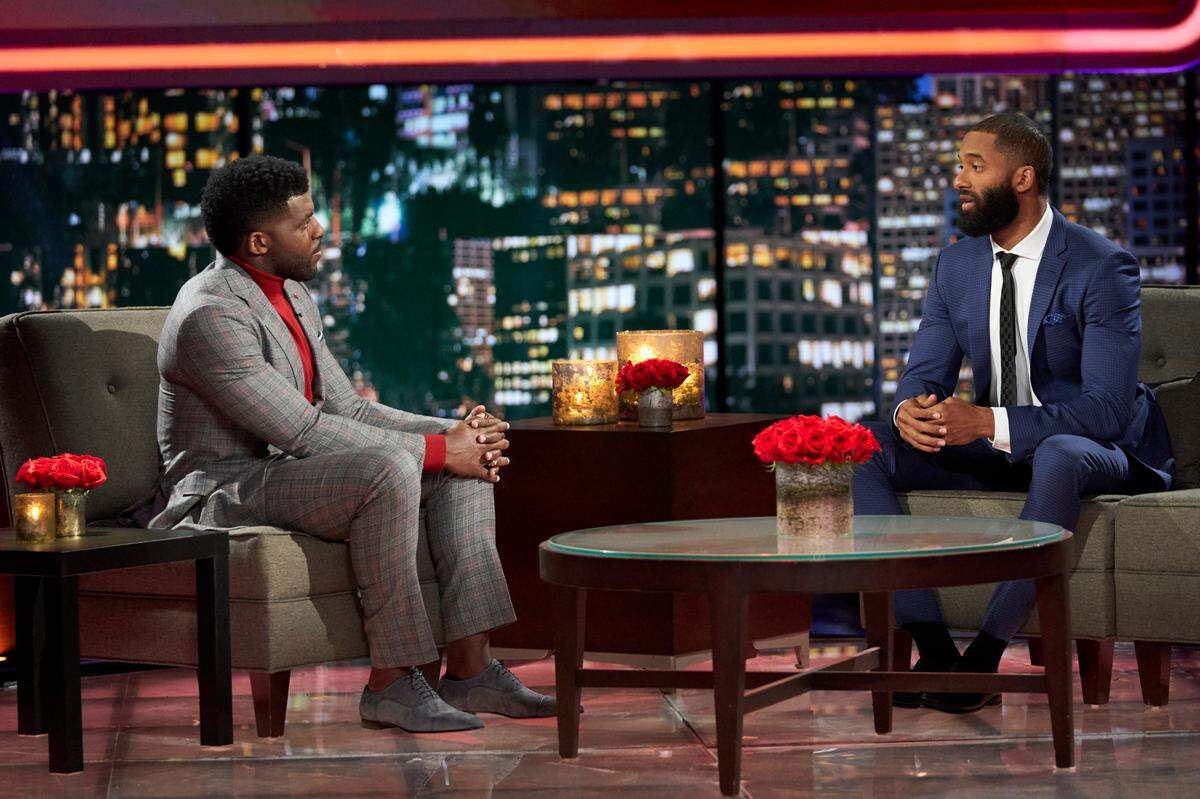
The reality TV show premised on the idea that someone can select a spouse from a group of dozens of suitors in a matter of weeks — all televised — starred a Black man for the first time this season.
The bachelor in question, Matt James, ended the season dating — but not engaged to — Rachael Kirkconnell, a white graphic designer from Georgia. After the filming wrapped, but while the show was still airing, it was discovered Kirkconnell had attended an antebellum-themed party in college and liked racist posts on social media, which led to the eventual demise of her relationship with James.
I’m by no means a bachelor/bachelorette diehard, though I’ve watched the show from time to time when I want to yell at the TV without watching sports. I’ve seen enough of the show to wonder how the producers didn’t catch this.
And I keep returning to this line in The Ringer’s account of the finale (emphasis mine):
The only reason Matt was breaking a barrier is because the show spent 24 seasons putting only white guys on TV and chose to celebrate its own “progress” while putting Matt in an impossible position.
But this year, we’ll get two seasons of The Bachelorette, first starring Katie Thurston and then Michelle Young, both contestants from James’ cycle on The Bachelor.
Former contestants Tayshia Adams and Katilyn Bristowe will host the show, replacing Chris Harrison, who stepped aside after defending Kirkconnell.
Put this to use
The latest round of stimulus money is here. If the IRS has your direct deposit information, you may have already gotten your payment.
Individuals earning less than $75,000 and couples earning less than $150,000 are eligible for the full $1,400 payment. Families also receive $1,400 per child or adult dependent. The payments phase out after individuals making $80,000 and couples making $160,000.
If you haven’t received your payment yet, try the IRS tracking tool.
Looking for a COVID-19 vaccine?
More than half a million Missourians became eligible on Monday. More Kansans become eligible early next week.
If you’re eligible, take a look at this piece from The Star’s Lisa Gutierrez about how to improve your chances.
There’s also @kcvaccinewatch, a Twitter account created by a local engineer, that announces vaccine appointments across the metro. I have push alerts set up to keep an eye out for shots for my dad. I’d suggest the same because appointments disappear within minutes.
Till next time!
Did someone forward this newsletter to you? You can sign-up here. If you’d prefer to unsubscribe from this newsletter, you can do so at any time using the “Unsubscribe” link at the bottom of this message.
This story was originally published March 18, 2021 at 12:51 PM.