COVID-19 updates: KS governor nixes mask mandates, MO and KS leaders slam ivermectin
READ MORE
Kansas City COVID-19 news
As the delta variant of the COVID-19 virus surges across the Kansas City region, officials, hospitals and communities have had to react. Here is our latest coverage.
Expand All
Here’s the latest on COVID-19 in the Kansas City area:
Gov. Kelly announces school task force, nixes mask mandates
Gov. Laura Kelly on Wednesday called on Kansans to protect school children from the coronavirus, but will likely not enact more widespread COVID-19 interventions such as a statewide mask mandate or limits on mass gatherings.
The governor appeared at a news conference in the children’s unit at Wesley Medical Center, where she announced the formation of a task force to advise her administration, local government and school districts on the growing issues of school transmission of COVID-19.
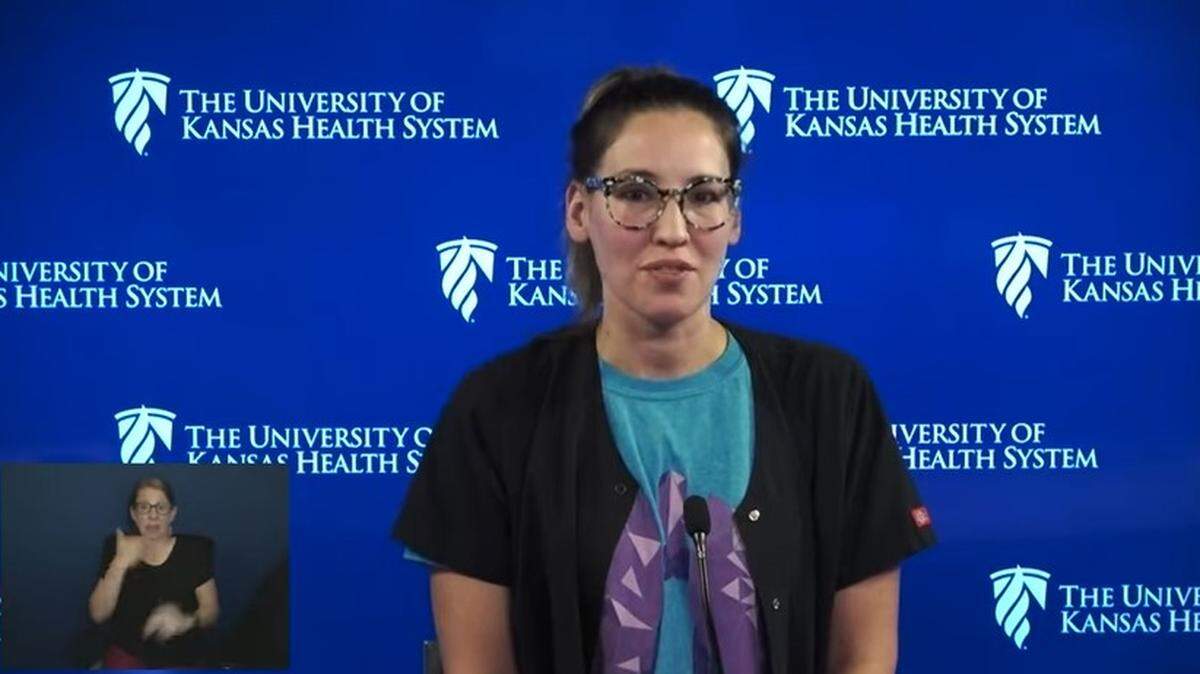
KU Health to employees: Get vaccinated by Dec. 1
The University of Kansas Health System on Wednesday joined two other hospital systems in Kansas City in mandating COVID-19 vaccinations for employees.
Truman Medical Centers/University Health announced its employee mandate in late July. Saint Luke’s Health System announced a similar requirement on Monday.
They are taking the lead in a metro where most area businesses are hesitant to implement vaccine mandates for their employees, according to a new survey from the Greater Kansas City Chamber of Commerce.
Kansas, Missouri health leaders slam ivermectin as COVID cure
Kansas health officials on Wednesday joined a chorus of others warning people not to take the animal deworming medication ivermectin to treat or prevent COVID-19.
People across the country are buying out the medication at livestock stores because it has been hyped as a cure for COVID, leading to a worrisome rise in calls to poison control centers and emergency room visits.
“Kansans should avoid taking medications that are intended for animals and should only take ivermectin as prescribed by their physician,” Dr. Lee Norman, secretary of the Kansas health department, said in a statement. “These highly concentrated doses can cause severe illness and even death in humans.”
The Star’s Katie Bernard, Bill Lukitsch and Lisa Gutierrez contributed to this report.
This story was originally published September 2, 2021 at 7:24 AM.


.jpg)