
Avoiding eye contact? Locking doors? Here are signs your child might be using drugs

READ MORE
Fentanyl-spiked pills killed these Kansas City area teens
Amid an explosion of fentanyl overdoses, the families of two Kansas City area teens who recently died are speaking out, calling attention to the crisis.
Expand All

Fentanyl killed their boys. Now these KC area parents are on a quest to save lives
Here’s how some states prevent fentanyl overdoses. It’s illegal in Kansas and Missouri
Avoiding eye contact? Locking doors? Here are signs your child might be using drugs

Here’s where parents can learn more about fentanyl and how to keep children safe
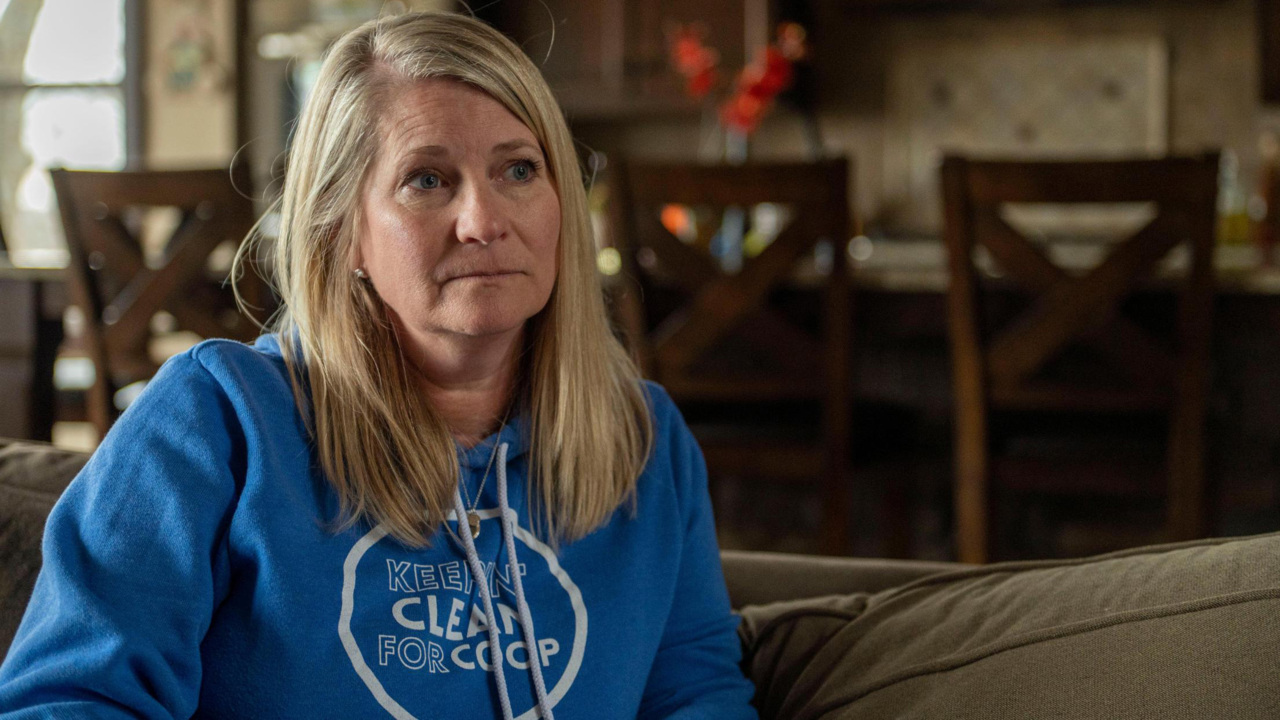
Shawnee mother talks about losing 16-year-old son to fentanyl overdose
Editor’s note: Because fentanyl overdoses are a public health crisis, The Star is providing these stories to all readers as a public service.
Kids can be good at hiding their drug use, but parents can be smarter if they know what to watch for.
Drug experts say parents sometimes overlook early warning signs because those can look like “normal” behavior.
A teen holing up in the bedroom might just be a teen hanging out
On the other hand, if they suddenly look messier than usual, their face is frequently red or flushed, they reek of smoke or have burns on the tips of their fingers, they could be doing drugs.
Parents also often underestimate the severity of drug use, national drug experts worry.
“One of the most challenging aspects of addiction is that it is a progressive disease,” according to drug abuse experts at the Hazelden Betty Ford Foundation.
“Early warning signs can be hard to spot, and unhealthy patterns can develop into a full-blown substance use disorder (often referred to as substance abuse) if not addressed.
“Casual drug use can quickly spiral out of control if you ignore problems, rationalize underage drinking or smoking marijuana as ‘experimentation’ or ‘just a phase,’ or avoid having open and honest discussions with your child.”
Parents cannot intervene too soon, health experts say. It’s a lot easier to turn a situation around early on than when it blows up into an emergency.
Parents who aren’t sure whether their child is using can contact a primary care physician, school guidance counselor or drug treatment provider, health officials advise. The child might be experiencing a substance abuse problem or some other mental health or medical disorder.
But first, parents should talk to their child, health experts say. Talk, talk, talk to them about drugs. Then talk some more.
That includes asking them flat-out. “Have you been drinking, vaping or using drugs?”
That’s especially important now in the midst of an alarming rise in adolescents and young adults accidentally overdosing on fentanyl-laced counterfeit drugs.
Early warning signs will be easier to recognize for parents who know their child’s habits and interests because anything out of the ordinary will stand out.
Parents should notice whether several signs appear at the same time or suddenly, or if a child’s behavior becomes extreme.
Here are a few things to watch for:
▪ “Nothing matters” attitude: Loss of interest and involvement in favorite activities, low energy.
▪ Physical or mental changes: Lack of coordination, poor concentration, memory lapses.
▪ Problems at school: Falling grades, skipping school or classes, disciplinary issues.
▪ Mood changes: Defensiveness, irritability, anger flare-ups, sudden loss of inhibitions, hyperactive or unusually elated, silent and uncommunicative, unable to focus, less motivated.
▪ Behavioral changes: Changes relationship with family members or friends, starts locking doors, avoids eye contact, disappears for long periods of time, gets secretive with the phone, uses gum or mints to cover up breath, uses over-the-counter meds for red eyes and nasal irritation, becomes unusually clumsy, makes endless excuses.
▪ Physical health changes: Unusual fatigue or lethargy, sores or spots around the mouth, skin abrasions or bruises, frequent sweating, nosebleeds and/or runny nose not caused by an allergy or cold, and sudden or dramatic weight loss or gain.
If a parent suspects drug use, the child should be screened by a professional — a social worker, psychologist, school counselor.
Sources: Youth.gov, National Institute of Drug Abuse, DrugFree.org, Hazelden Betty Ford Foundation
This story was originally published April 24, 2022 at 5:00 AM.
.jpg)