
Here’s how some states prevent fentanyl overdoses. It’s illegal in Kansas and Missouri
READ MORE
Fentanyl-spiked pills killed these Kansas City area teens
Amid an explosion of fentanyl overdoses, the families of two Kansas City area teens who recently died are speaking out, calling attention to the crisis.
Expand All

Fentanyl killed their boys. Now these KC area parents are on a quest to save lives
Here’s how some states prevent fentanyl overdoses. It’s illegal in Kansas and Missouri
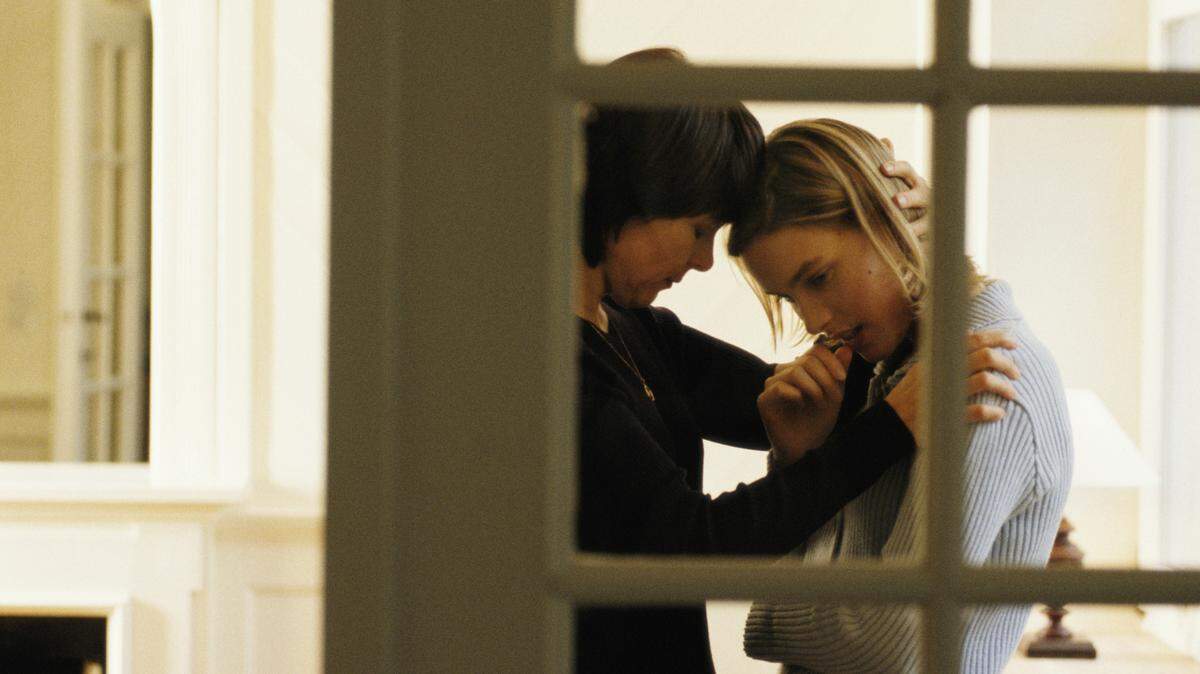
Avoiding eye contact? Locking doors? Here are signs your child might be using drugs

Here’s where parents can learn more about fentanyl and how to keep children safe
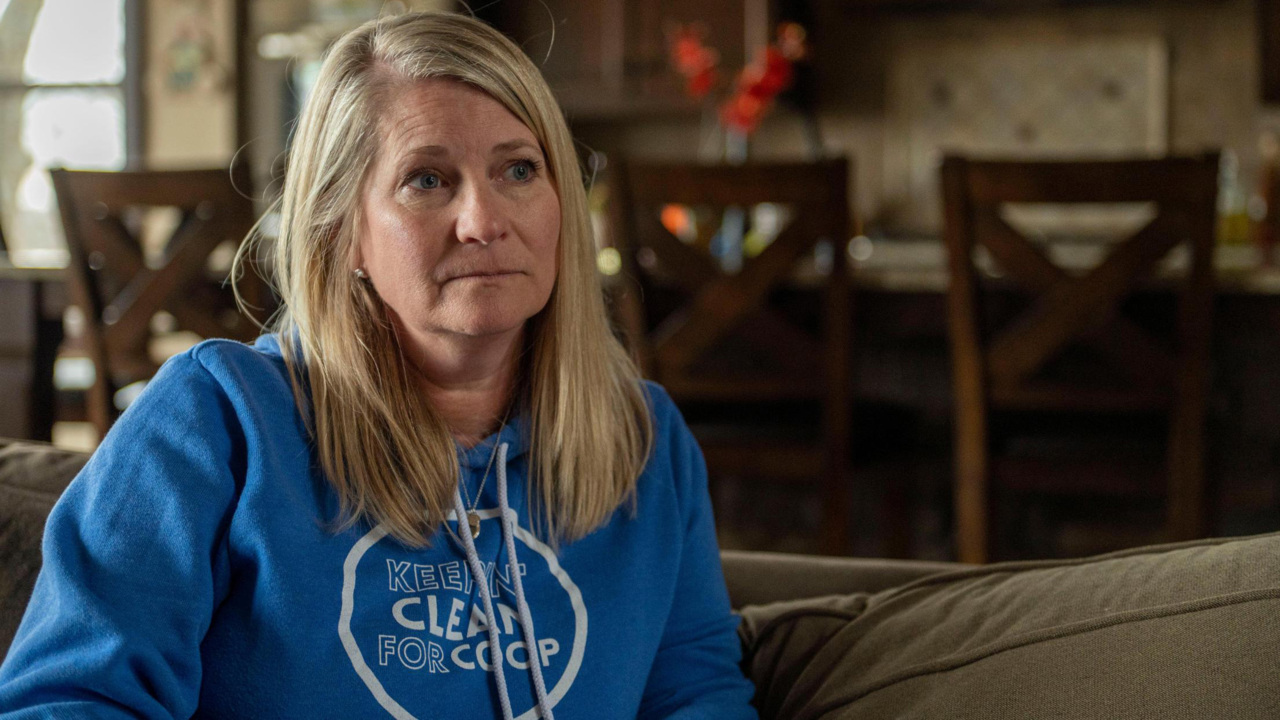
Shawnee mother talks about losing 16-year-old son to fentanyl overdose
Editor’s note: Because fentanyl overdoses are a public health crisis, The Star is providing these stories to all readers as a public service.
Could tiny strips of paper save people’s lives? Growing research suggests they can.
Fentanyl test strips are designed to prevent people from overdosing on illegal, recreational drugs that have been spiked with potentially fatal amounts of the synthetic opioid.
They are among the “harm reduction strategies” the White House sent to Congress on Thursday to slow the nation’s record number of overdose deaths — 107,000 in the past 12 months.
Police and health departments from coast to coast are giving out thousands of the test strips.
But there’s a rub: They’re illegal in most states, including Kansas and Missouri, where they are classified as drug paraphernalia. But now legislators in both states have made moves to decriminalize them and study their use, following the lead of a growing number of other states. They face some stiff opposition.
The disposable, at-home tests can detect fentanyl in pills, powders and injectable drugs. Studies have shown them to be accurate, easy to use and easy to share. And they’re cheap — about $1 each online.
In Minnesota, where the strips were decriminalized last year, the state health department touts them as a “reliable, common-sense means of providing people at risk of fentanyl exposure with more information that can decrease risk of overdose.”
“This tool might be lifesaving for the teenager experimenting for the first time, the individual in the throes of a severe opioid use disorder, the concert-goer looking for a trip, the person using a preferred substance obtained from a new source, or the individual years into recovery,” researchers from Weill Cornell Medicine in New York City wrote last year in Health Affairs journal.
Tennessee and New Mexico were among the latest in March to remove the test strips from the prohibited list, joining a handful of others including Arizona, Nevada, Maine, Maryland, Wisconsin and North Carolina.
They’re illegal in Pennsylvania. But last summer Philadelphia Mayor Jim Kenney signed an executive order saying people will no longer be arrested there for possessing or distributing them. Both the city’s district attorney and Pennsylvania Attorney General Josh Shapiro have said their offices won’t prosecute people for possessing them.
“We have to use every available method to save lives while combating the opioid crisis,” Kenney said.
“Fentanyl is increasingly a factor in every kind of fatal drug overdose and contributes to nearly all opioid-related deaths in Philadelphia. We gain nothing by penalizing the distribution and use of fentanyl test strips.”
Kansas Rep. Jason Probst, a Hutchinson Democrat, is championing the strips in the Legislature.
His contacts working in drug prevention want to distribute the strips. But some of them, recovered drug users themselves, are afraid to possess them for fear of getting arrested.
“In my conversations with them they’ve told me that the No. 1 thing we can do to prevent overdose deaths in the state is to make it so that people have access to fentanyl testing strips,” Probst told the Star.
His first effort to remove the test strips from the state’s definition of drug paraphernalia received support from House colleagues, including those with connections to law enforcement who felt the strips could save lives and would not “create any problems” for law enforcement, he said.
Yet in the Republican-dominated Legislature, the proposal stalled on the Senate side. Probst, though, is still working out a way to keep it alive and get it approved when the Legislature reconvenes Monday.
In Missouri, Rep. Trish Gunby, a St. Louis County Democrat, is trying to gain support for a pilot program to distribute fentanyl testing strips in communities along Interstate 70 that are hard-hit by overdoses.
She considers it a nonpartisan issue, and just as important in both urban and rural areas. She said the proposal got attention, particularly from colleagues in some parts of the state where fentanyl deaths have now outpaced COVID-19 deaths. Those conversations continue.
Probst anticipated resistance from fellow lawmakers who think legalizing the test strips is aiding and abetting criminal activity, the same objection legislators in other states have voiced.
“I think that objectively, politically, it shouldn’t be a ‘tough on crime’ issue. It’s not a crime issue. It’s a health issue, it’s a helping people issue,” said Probst. “And I get frustrated that this gets wrapped up into some very old political rhetoric.
“We’re viewing this with an antiquated base of knowledge. We’re using 1980s language and 1980s information on addiction, and the world of addiction has changed, our understanding of addiction has changed. And the drugs that are killing people have changed and we have to catch up.
“And we’re harming every segment of Kansas society by digging in and refusing to advance a very simple policy that no one opposes that could actually help people.”
Gunby said she doesn’t think testing strips will encourage anyone to try drugs for the first time. But they give users information so they can use safely, or not at all.
“And the hope would be, in time, people would seek treatment,” said Gunby. “I don’t think anybody wants to see people dying.”
This story was originally published April 24, 2022 at 5:00 AM.
.jpg)