
Fentanyl killed their boys. Now these KC area parents are on a quest to save lives
READ MORE
Fentanyl-spiked pills killed these Kansas City area teens
Amid an explosion of fentanyl overdoses, the families of two Kansas City area teens who recently died are speaking out, calling attention to the crisis.
Expand All
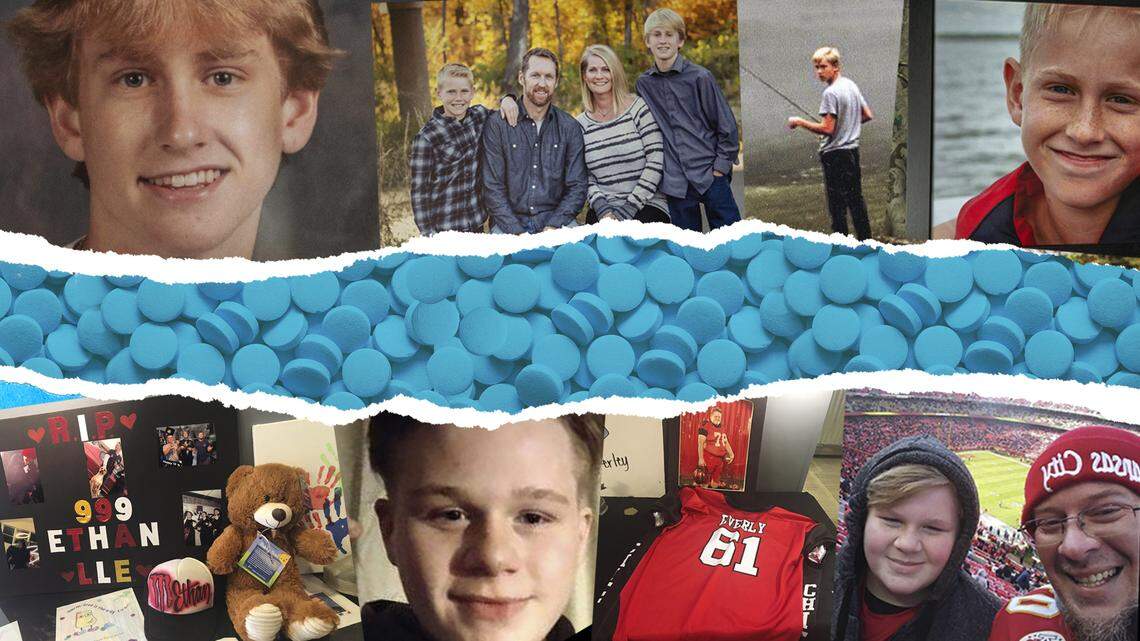
Fentanyl killed their boys. Now these KC area parents are on a quest to save lives
Here’s how some states prevent fentanyl overdoses. It’s illegal in Kansas and Missouri
Avoiding eye contact? Locking doors? Here are signs your child might be using drugs

Here’s where parents can learn more about fentanyl and how to keep children safe
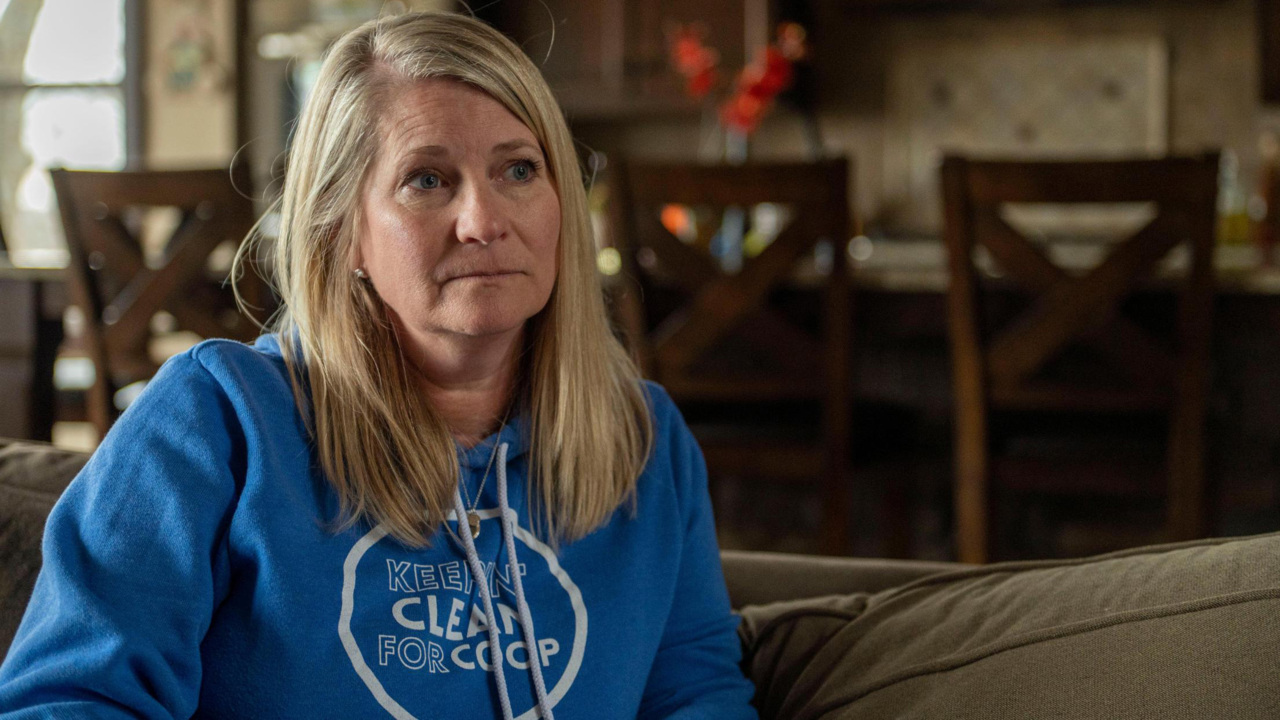
Shawnee mother talks about losing 16-year-old son to fentanyl overdose
Editor’s note: Because fentanyl overdoses are a public health crisis, The Star is providing these stories to all readers as a public service.
At 11:07 a.m. on a sunny Saturday this month, the lid of Ethan Everley’s casket was gently closed. A colorful quilt covered the top. It was time to say goodbye to the high school sophomore.
Shannon Horn, associate pastor of North Heartland Community Church, offered words of comfort, calling 16-year-old Ethan’s death “incredibly tough and devastating.”
Then Ethan’s posse processed up onto the stage above their friend’s coffin. Buddies he’d grown up with in Gladstone. Heads lowered, hiding tears. The boys wore black, some in T-shirts bearing Ethan’s picture. One by one they testified to more than 100 mourners that Ethan had made the most of his brief years.
“He was a brother to all of us. He stuck with us no matter what … Such a kind person, such a kind soul. He didn’t deserve to go.”
“He was one of the people who truly made me love life. … I love you, Ethan.”
Ethan died on March 29, five days after taking a tiny blue pill he apparently thought was Percocet, a narcotic used to treat pain but also sold illegally to people looking for a high. He didn’t know it was a fake that packed a lethal dose of fentanyl, a synthetic opioid 50 times stronger than heroin, up to 100 times stronger than morphine.
Ethan’s father, Brandon Everley, found his strapping young son on his bed on a Thursday afternoon wearing pajama pants and a T-shirt, struggling to breathe.
More and more kids across the country like Ethan are taking pills without knowing what they really are. They think they’re buying and taking Xanax — hugely popular with Johnson County kids, drug counselors there say — Percocet, OxyContin and other pharmaceuticals, not knowing that some are counterfeit pills jacked up with enough fentanyl to kill them.
Law enforcement officials are in a full-court press warning families about the explosion of overdoses. The theme of the U.S. Drug Enforcement Administration’s campaign cuts right to the chase: One Pill Can Kill.
Last month, the Kansas City Police Department announced that accidental overdoses from fentanyl had climbed nearly 150% from 2019 to 2020 in the metro area, particularly noticeable among ages 15 to 24. Last year, out of 129 overdoses, 50 were fentanyl-related, KCPD said.
The Clay County Sheriff’s Office recently launched a series of drug education seminars. The next one is Monday night. On Wednesday, at the request of Ethan’s school, Oak Park High, the sheriff’s office will talk to students, their families and the public.
“The overdoses we’re seeing lately — especially among young people — are unacceptable,” Sheriff Will Akin said in announcing the first gathering. Fentanyl is now a primary focus of his department’s drug squad.
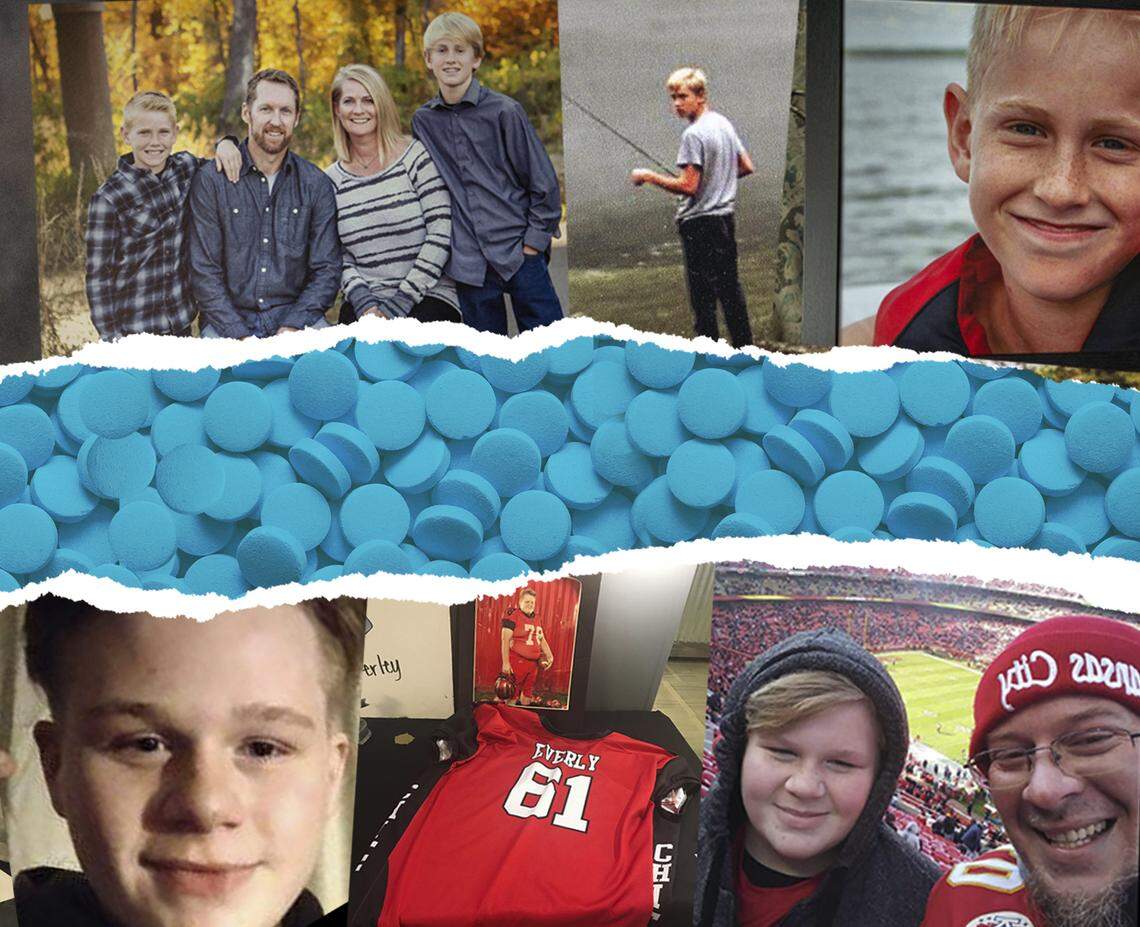
Deadly lessons
Ethan is one of two recent victims in the Kansas City area whose families are going public to call attention to the crisis.
In Johnson County, Cooper Davis died last summer the same way Ethan just did. This Monday would have been his 17th birthday.
“I did not learn about this fentanyl crisis until after Cooper’s death,” said his mother, Libby Davis.
Now these two families know more about the horror of fentanyl than they ever wanted to know.
“I’m still in shock, honestly,” Everley told The Star last week. “I think for guys we like to compartmentalize things and put them away. So all that stuff is away in a box right now.”
After Ethan died, the principal at his school in the North Kansas City district wrote to families explaining what happened. One of Ethan’s older sisters — he was the youngest in a blended family — started a GoFundMe effort to raise money for a “beautiful goodbye.”
At the funeral, though he never uttered the word “fentanyl,” Everley turned what he called the worst pain of his life into a cautionary tale. With his son lying in a casket in front of him, he told Ethan’s friends: “I’m going to speak a little somber now.”
“There are things out there that your curiosity will get the best of you and you can make a tragic mistake, which does not need to happen to anyone in this room or anyone outside this building,” Everley said.
“We can be a little smarter. … And if there’s any good that comes out of this, then let Ethan’s memory be that little light that goes off in the back of your head when you’re thinking about being curious. Let that be your warning light.”
‘This is my kid’
In August, Cooper Davis had just started his junior year at Mill Valley High School in the De Soto school district when he took what turned out to be fake Percocet spiked with fentanyl.
Libby Davis doesn’t use the word “overdose.” In an interview with The Star at the family’s Shawnee home, she says her son was poisoned.
Cooper took the pill at a friend’s house not even two miles away.
Davis and her husband, Randy, launched a public awareness campaign in his memory, Keepin’ Clean for Coop.
“When we learned of this danger, our immediate instinct was we’ve got to talk with kids. All the kids at the high school have to know this. All the parents need to know so they can talk to their kids,” she said.
This month she put aside her fear of public speaking and joined substance abuse experts who cautioned parents in the Blue Valley school district.
They told parents to assume that their children are exposed to drugs every day, and warned against dismissing the fentanyl crisis as something that doesn’t affect their kids, their kids’ friends, the neighbor kids.
“It’s not in our backyard anymore. It’s at our front door,” Kevin Kufeldt told the audience. He’s a counselor with Johnson County Mental Health Center who works with adolescents being treated for addiction.
Davis, the first to speak that evening, said the most dangerous words from a parent are “not my kid.”
“You cannot over-communicate about the dangers of fake pills,” she said.
Here’s why. Among American teens, fentanyl-related overdose deaths rose 350% from 2019 to 2021, a new study of data from the Centers for Disease Control and Prevention revealed this month.
Last year, fentanyl was associated with 77% of adolescent overdose deaths in the United States.
Kids are popping pills as anxiety and depression among American adolescents skyrocket, prompting new recommendations from health experts that children as young as 8 now be screened for anxiety. New data from the CDC this month found that 37% of youth experienced poor mental health during the pandemic.
“Let me start by saying I’m not a public speaker, but even stronger is the desire for you to hear my message,” Davis said as pictures of teenagers from across the country flashed across a video screen behind her in the auditorium of Hilltop Learning Center in Overland Park.
Olivia, 15.
Logan 16.
Rachel, 17.
All dead after taking a pill laced with fentanyl.
“This is my kid,” she said as pictures of a boy with blond hair and a big smile popped up on the screen.
Not a peaceful death
Ethan threw up in bed after he took that fatal pill. He was gurgling on vomit when his father found him. He was barely breathing and unresponsive. Everley wants people to know what he saw, that it was messy, scary, horrifying. An overdose isn’t just pop a pill and peacefully drift away.
“I want to tell myself he fell asleep and that he didn’t know that he was dying. I don’t want to think he suffered,” he said. “But it was extremely shocking.”
The ambulance arrived within a couple of minutes, taking Ethan to North Kansas City Hospital, where an MRI revealed his brain was swelling. A few hours later he was on his way to Children’s Mercy and pronounced brain dead days later.
Across the country, teens have overdosed at home and at school, found dead or near death by parents and teachers. The mother of a 14-year-old Boy Scout found her son’s lifeless body on a beanbag chair in his California bedroom.
A Colorado teen died after swallowing a pill laced with fentanyl at school. She was taken to the hospital after a teacher saw her “foaming at the mouth and unresponsive.”
In Maryland in January, the father and brother of high school basketball player Landen Hausman found him dead at home on the bathroom floor.
The 23-year-old man accused of selling Landen two counterfeit Percocet pills laced with fentanyl allegedly used his Twitter account to deal drugs.
In the era of social media, teenagers can get drugs as easily as having Grubhub deliver dinner. “They don’t leave the house anymore,” said Kufeldt. “I’ve got kids that are on house arrest that continue to use their drugs.”
Dealers advertise on popular social media sites, including Snapchat, and take payment via apps.
Ethan was communicating with the person who sold him fake Percocet via Facebook Messenger. Everley saw their conversation on his son’s phone.
$50 for two pills. $30 for one. Ethan paid through Cash App.
Davis thinks the pill that killed Cooper was purchased by a friend who hooked up with a dealer in Missouri through Snapchat.
“Kids now, if you have a smartphone you can order up drugs to your house,” said Rogeana Patterson-King, assistant special agent in charge with the U.S. Drug Enforcement Administration’s Kansas City district office.
“So it’s no longer the idea of you going to a back alley in this dangerous area and making a buy.
“These drug traffickers have become very savvy, and they know how to solicit buyers on different types of apps on your phone.”

It’s in vape pens, marijuana, too
Fentanyl is highly addictive. Drug traffickers use it to get people hooked and coming back — if they don’t die.
It’s become so pervasive in street drugs that 4 in 10 pills tested in DEA labs are said to contain potentially lethal doses. But a parent’s nightmare is that it’s not just in pills.
In February, administrators at an Iowa high school confiscated a vaping device that contained not only marijuana’s THC but fentanyl, too.
Last month, school officials in a central Pennsylvania district found three vaping devices that tested positive for fentanyl or heroin. “At the end of the day this is really scary stuff,” said the superintendent.
“We’re seeing fentanyl in everything, in every other illicit drug, from cocaine, meth, heroin,” said Patterson-King. “We’ve even seen marijuana contaminated with fentanyl.
“It’s no longer a situation where, in the past, we would say don’t try drugs because they’re dangerous. Now we’re saying don’t try any drug because they’ll kill you. So it’s bad. Fentanyl is not something to be played with.”
In 22 years with the DEA, Patterson-King has never seen a drug pose this level of danger, not even crack cocaine, the epidemic that drew her into law enforcement work. Crack destroys an abuser’s body over time.
Fentanyl is a bomb.
“This can immediately kill you, and that’s the difference,” said Patterson-King.
‘Nonstop from the moment he could walk’
Davis understands that going public can draw unwelcome questions about her parenting.
She’s not embarrassed to talk about her son’s struggles, his bad decisions, his recreational drug use. She knows many parents don’t want to admit the same thing is happening in their families.
Cooper’s grandmother always described him as “just nonstop from the moment he could walk. He was … we say adventurous,” Davis said. “He had a very sweet heart. He had an infectious smile.
“He would climb the highest tree, scale the highest mountain. He couldn’t go fast enough. He couldn’t fly high enough. And he always chose extreme sports.”
Cooper put that same energy into being “more on the rebellious side of things … Mr. Independent,” she said. “He just thought he had it all under control. … He didn’t want to follow the guardrails that parents want to put in place for their kids.”
She said Cooper was first exposed to marijuana and vaping around seventh grade. But it wasn’t until he was a freshman in high school, with an older friend who had a car “and was kind of running around doing his own thing” that he began using marijuana regularly, she said.
He began to lose interest in school, sports, being around the family.
In ninth grade he got caught with marijuana in school and was sent to a diversion program for young first-offenders.
After taking him to therapists and deciding they had done everything they could to change the path of his life, Cooper’s parents sent him to a residential treatment program in Arkansas for teenage boys with behavioral and addiction problems. He was 14, about to turn 15.
Davis told the admissions person, “We don’t feel like Cooper is addicted to drugs. He just experiments.”
The admissions person told her: “All these kids are addicted to something. It could be an addiction to bad decisions.”
Cooper spent eight months there, a shorter time than normal, and “when they felt like he was ready to come back after eight months we were pretty excited, pretty hopeful, pretty happy,” said Davis.
Back home, though, he seemed nervous.
“I think it’s really hard for kids to be in such a controlled environment to have to come back to their previous environment. Which may have been a mistake on our part to bring him back to the same environment he left. There’s always going to be the ‘what ifs’ we had done things different,” Davis said. “It didn’t take long for him to get back to …”
She stopped, cried, then continued.
“… the same people that we wanted him to stay away from. And just the same habits that he had before.”
Chocolate chip cookies
Last week, an Arizona man was sentenced to nearly 11 years in prison for supplying counterfeit oxycodone drugs laced with fentanyl that led to rapper Mac Miller’s fatal overdose in 2018.
Pop star Prince died after accidentally overdosing on counterfeit Vicodin tainted with fentanyl in 2016.
Actor Michael K. Williams — who played stick-up man Omar Little on “The Wire” — died last year after taking fentanyl-laced heroin.
“This is a public health crisis. And it has to stop,” U.S. Attorney Damian Williams said after New York police arrested members of the drug crew that allegedly supplied the actor.
“Deadly opioids like fentanyl and heroin don’t care about who you are or what you’ve accomplished. They just feed addiction and lead to tragedy.”
Substance abuse experts have never seen a drug that in such tiny doses can kill a person. It takes just 2 milligrams — the weight of a raindrop or a mosquito, the size of two or three grains of salt.
“I just don’t think something should exist that is two grains of salt and you’re dead,” said Everley.
Pharmaceutical fentanyl was developed to manage pain in cancer patients. Its legitimate medical purpose is treating patients with severe pain, either post-surgery or long-term. Used legally, it is prescribed by a licensed medical professional who can monitor a patient who might misuse it.
Cooper’s father is a nurse anesthetist who administers fentanyl daily to patients. The irony is not lost on the family.
Now drug traffickers are adding fentanyl to illegal drugs — much of it coming in from Mexico — to make them more potent and addictive. They don’t follow the rules of quality control. They’re criminals, not pharmacists.
The DEA uses the analogy of mixing a batch of chocolate chip cookies. Some cookies will have more chips than others.
Same with fentanyl-tainted pills. Some will contain fatal doses, others won’t. Even within the same batch. It’s Russian roulette.
“You don’t know how much fentanyl might be in any one of them,” said Davis. “You might get a pill that has nothing in it, no drug whatsoever. And you might get a pill that could kill six people, it has that much fentanyl in it.”
The people who accidentally die, like her son? To drug traffickers, they’re just the cost of doing business, she said.
“They know those that don’t die will become repeat customers,” Davis told the Blue Valley parents.
Last year, for the first time in six years, the DEA issued a public health alert about the fentanyl scourge. The agency has made public two fentanyl-related operations — one targeting the drug traffickers, the other aimed at educating young people.
Patterson-King visits schools knowing the research that says if kids can be kept away from drugs until they’re 18, they’re less likely to use them as adults.
Kids actually don’t know much about fentanyl, she said, so the shock is huge when they lose a classmate like Ethan and Cooper to an overdose.
To hear some local parents tell it, moms and dads don’t know much about fentanyl, either.
‘Why do you care so much?’
In a favorite photo of her son, Cooper stands with a fishing rod in hand on the banks of a pond, mist rising from the water like heavenly clouds. He is at peace. Cooper loved the water.
Then there’s another photo she wishes she’d never seen, taken right before Cooper died.
He is holding up a small clear-plastic pouch with two tiny, light-blue pills nestled inside. “Blues,” they’re called on the street.
Fake pills look so much like real ones that even law enforcement can’t always tell them apart. Counterfeit “M30” pills containing lethal amounts of fentanyl — marked with an “M” on one side and “30” on the other — are nearly identical to prescription oxycodone, for instance.
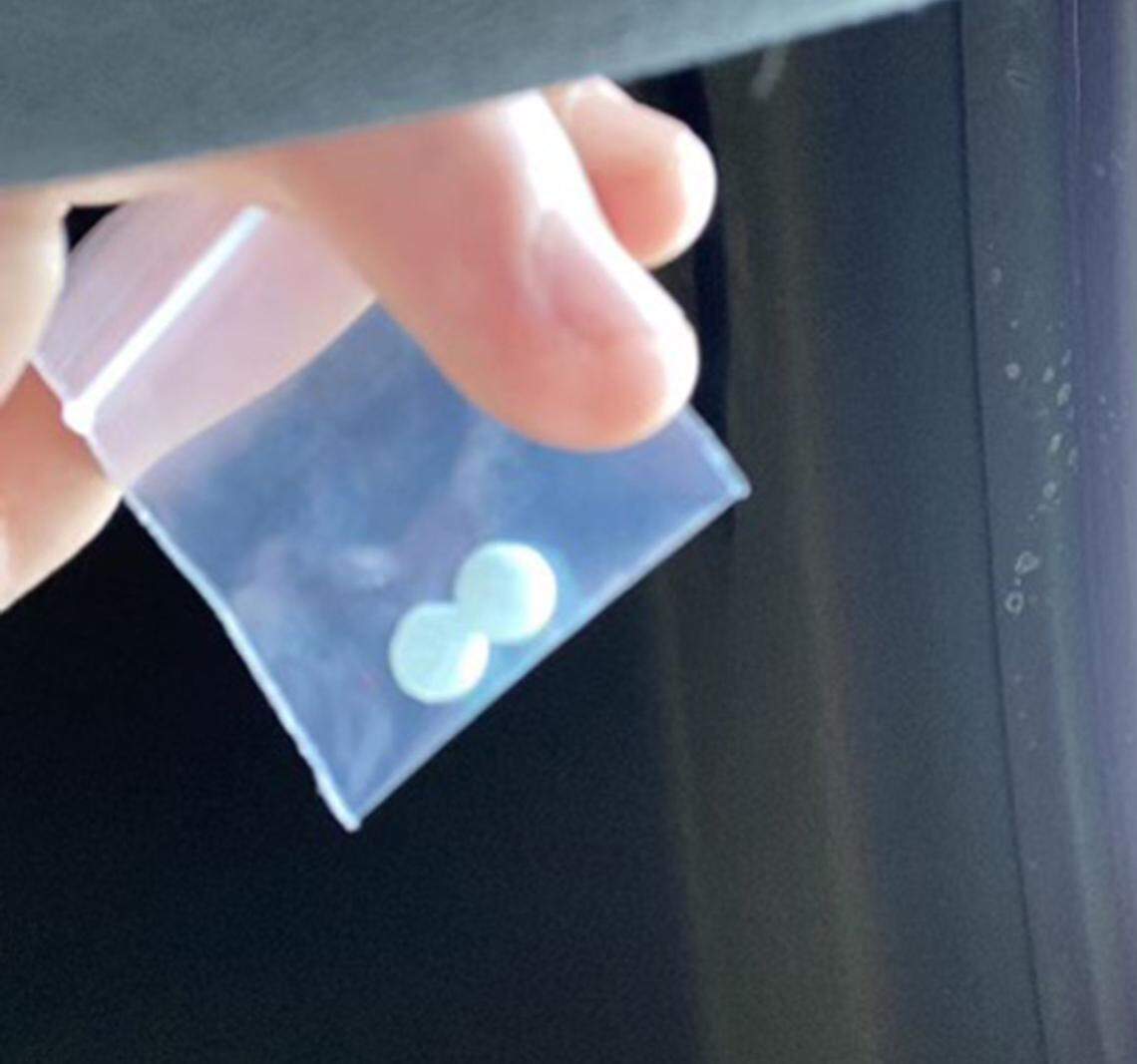
On a Sunday afternoon in August, Cooper and three of his buddies split those two blue pills, and each swallowed half thinking they were taking Percocet. Davis thinks her son had very little experience with opioids.
Fire trucks, police cars and an ambulance were lined up outside the house of Cooper’s friend by the time Davis and her husband, summoned by Shawnee police, arrived.
They waited outside until a paramedic came out and told them efforts were still underway inside to resuscitate their son.
The paramedic said Cooper had been given naloxone, a medicine for treating opioid overdoses. They gave him a lot of it. Davis knew it was dire.
“The next thing we know he’s being wheeled out of that house on a stretcher with a machine that was violently pumping his chest,” Davis said. “I’m a nurse. I’ve performed CPR … but I have never seen this type of machine that they use now for compressions.”
Twenty-plus years in the medical profession hadn’t prepared her for a sight like that.
The other three boys lived. Cooper died at the hospital.
She and her husband had both cautioned him about what he put in his body. But he had pushed their warnings aside. Now she’s determined that others heed her.
“He didn’t think that we had any wise words of advice to give him,” Davis said. “We often heard, ‘Why do you care so much? Nobody else’s parents care what their kids are doing.’
“That was always his favorite kind of comeback when we had these conversations. Why do you care so much?”
‘His spirit lives on’
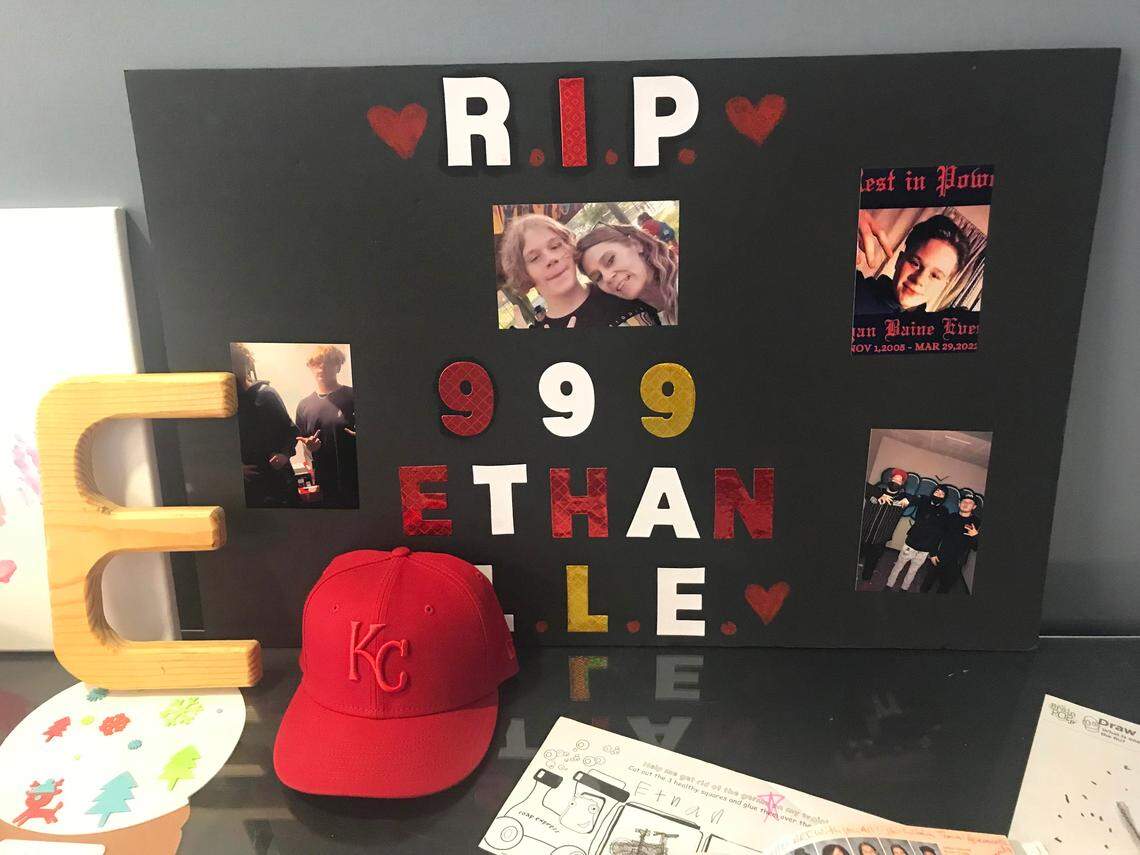
At his funeral, Ethan’s family displayed mementos of his life in the church lobby. There were photos of him in football uniforms. He started playing in kindergarten and suited up through eighth grade until he lost interest. Two pairs of battered boxing gloves sat on another table.
His obituary described Ethan Baine Everley, son of Brandon and Stephanie Everley, as “a dedicated leader, lover and fighter.” The friends who spoke at his funeral called him a leader, too.
Most were lifelong friends from the same neighborhood and school. They hung out at Ethan’s house, sometimes “spending the night and eating all our food and drinking up the juice,” Everley said.
Ethan had taken a job at Wendy’s to earn money to buy a car, which he did right before he died. His red Wendy’s cap was displayed near a photo of him behind the wheel of the car. “We’re going to find something special to do with that car,” his dad told mourners during the funeral.
Everley knew his son smoked marijuana. He knew Ethan used a vape device filled with nicotine. But from what he has since seen on Ethan’s phone, he knows his son had purchased pills just twice.
Little blue fake Percocets were found in Ethan’s bedroom, his dad said. The family hasn’t seen the medical examiner’s report yet, but a urine analysis taken at the hospital showed fentanyl in his system.
“I wish he knew how dangerous it was, what he was messing around with because I don’t think he would have done it,” said Everley.
“The first time he tried it, he didn’t die. He didn’t overdose. I think he thought to himself that he could do it, it wasn’t deadly.”
After Ethan died, Everley added a link on his personal Facebook page to a fentanyl warning from Kansas City police. The post showed a photo of a batch of the tiny blue M30 pills.
“Please speak to your kids and young adults,” the police pleaded.
“Ethan was strong and stubborn and he was a young man, not so much of a boy anymore,” Everley said at the funeral. “He lived a lot in 16 years. More than most 16-year-olds do. And he was mature. And being his father, he let me know that.
“And I was happy to give him more responsibility, because that’s the way it should be. I didn’t want to be oppressive to him. But I still worried about him every day, as I worry about all of you kids because I am a father. And no one should have to do this. No one should have to bury their child.”
As family and friends arrived, they were handed neon-green silicone bracelets embossed with the words “Give Hope. Share Life.”
“For those of you who don’t know, Ethan was able to donate his organs, his heart, his lungs, his kidneys and his liver, and five people were saved,” Everley told those gathered.
Over applause, Ethan’s father said, “So his spirit does live on.”
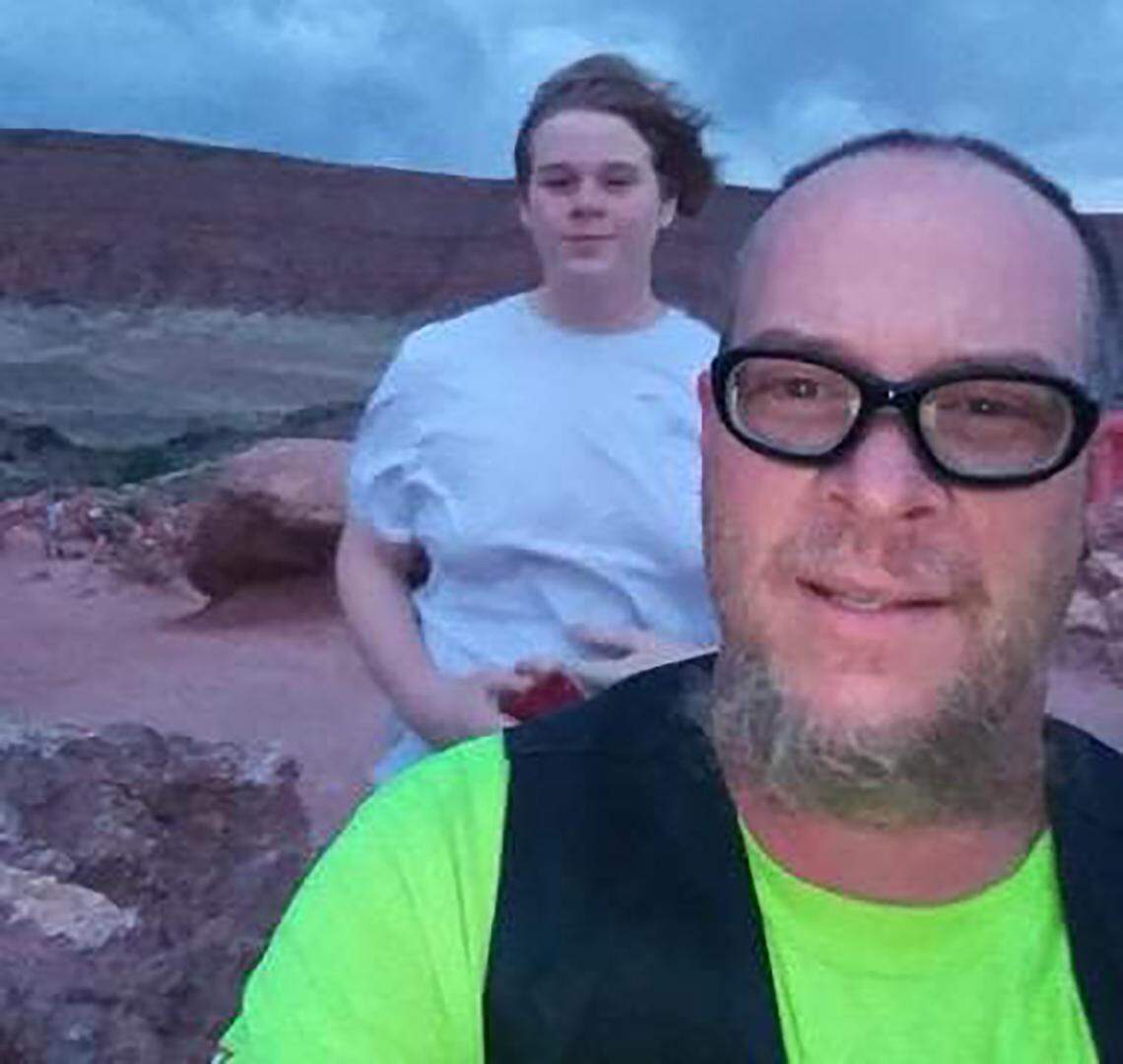
This story was originally published April 24, 2022 at 5:00 AM.
.jpg)