Evergy customers may pay some of utility’s pandemic-related costs if regulators agree
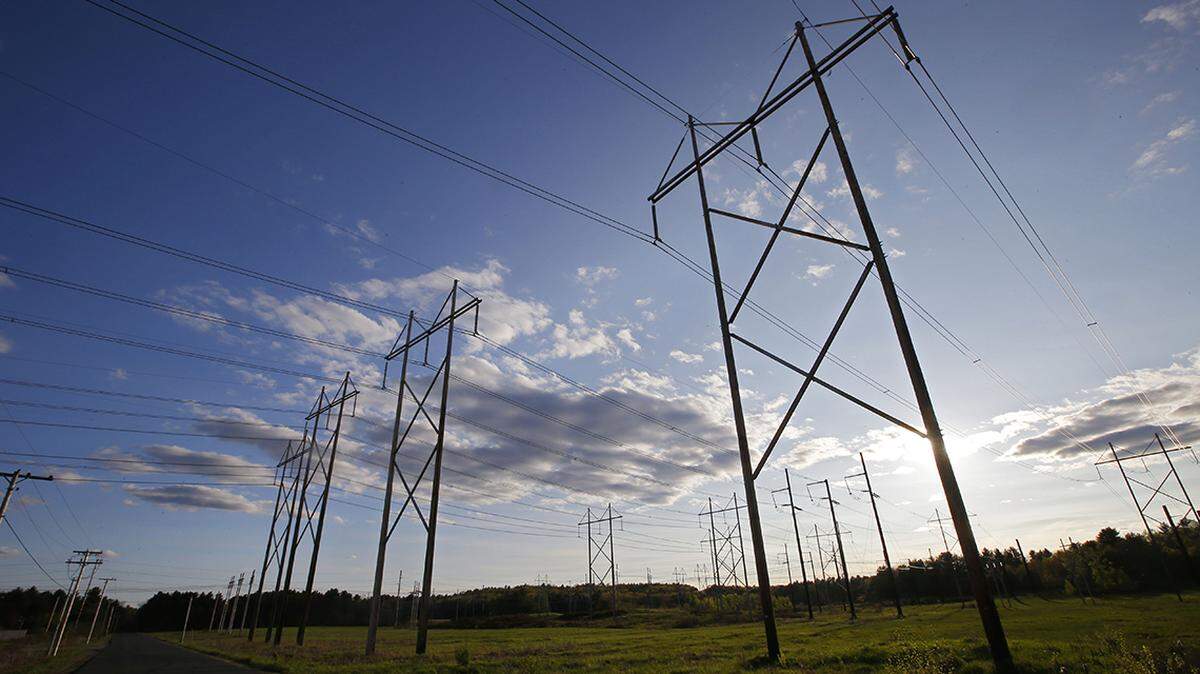
Evergy, the provider of electricity for most of the Kansas City region, is asking regulators for permission to track and account for money it is losing and costs it is taking on during the coronavirus pandemic.
Those costs could someday factor into the electric rates Evergy charges its customers.
Evergy has asked the Kansas Corporation Commission and the Missouri Public Service Commission, both regulators of utilities, for what’s referred to as an accounting authority order that would let the company record in its financial books the losses it takes from the pandemic.
Those could include lost revenue from customers reducing their energy use, costs related to waived late payments and disconnection fees, as well as costs associated with employees working remotely.
The accounting from Evergy’s pandemic losses could later be considered, among other aspects of the utility’s business, during Evergy’s next rate case in both states.
Rate cases are processes where utility companies ask regulators to set electricity prices.
“All this is asking is for us to be able to track, to report to the commission and reserve the right, should we think it’s appropriate, to ask for those costs at a later time,” said Chuck Caisley, Evergy’s senior vice president of marketing and public affairs.
Evergy first made the requests in May. The KCC, which oversees investor-owned utilities in Kansas, gave Evergy permission to start tracking pandemic-related costs.
In Missouri, where a number of parties have objected to Evergy’s request, the PSC may set hearings in November to consider Evergy’s position.
Evergy in Missouri recently negotiated a proposed agreement with several objectors, including the Sierra Club and Missouri Industrial Energy Consumers, to resolve their concerns. Chief among them was Evergy’s agreement to not include lost revenue from customers reducing their electricity use in its accounting of pandemic costs and losses.
That was a major point of contention from objectors.
“Evergy has told its customers that ‘we are in this together with respect to COVID-19,’” said the Missouri Office of the Public Counsel, which represents the public in utility matters, “and so they should be held to their word and not be completely insulated through deferrals of lost electric sales.”
Still, in Missouri Evergy could track costs and losses from bad debt, waived late payment and reconnection fees and other coronavirus-related costs. It also agreed to keep track of any savings from operating costs, like reduced travel or any state or federal grants it receives, to offset its incremental costs.
But not everyone in Missouri was in agreement. The Office of the Public Counsel filed an objection to the agreement last week. That National Housing Trust, an affordable housing advocacy group, also put in a request for a hearing last week.
Renew Missouri, a renewable energy advocacy group, is neutral on Evergy’s agreement but filed an objection on the National Housing Trust’s behalf. It said the utility should do more to help customers struggling to pay their bills if it’s asking to potentially recoup its costs later on.
“I do not want to see customers paying their bills, customers who are able to afford that right now, bearing the brunt of this later. I don’t think this is fair to them,” said James Owen, executive director of Renew Missouri. “What you’re seeing with regulated utilities is they want to minimize any risk that their investors have. They want it borne by their ratepayers.”
Evergy is a publicly traded utility whose shares trade on the New York Stock Exchange. The company is the result of a 2018 merger of Kansas City Power & Light and Westar Energy. It provides electricity to 1.6 million customers in Missouri and Kansas, mostly around the Kansas City region.
Like most businesses, the pandemic took its toll on Evergy as businesses and schools closed and stopped using electricity and consumers fell behind on their bills.
In its most recent earnings report, Evergy reported net income of $202.8 million in 2020 through June 30, compared to $239.2 million for the same period in 2019.
Evergy encountered less resistance to its request in Kansas. KCC staff largely agreed that Evergy should begin accounting for its losses, even lost revenue from reduced energy use.
The Citizens Utility Ratepayer Board, an advocate for Kansas utility consumers, posted no objection to Evergy’s accounting.
David Nickel, consumer counsel for CURB, said the agency would examine Evergy’s request for new electric rates to “ensure all losses are prudent and reasonable and any expenses are prudent and reasonable.”
Kansans for Lower Electric Rates and the Kansas Industrial Consumers Group characterized Evergy’s request to track lost revenues from the pandemic as Evergy saying it should be “entirely insulated by Kansas retail electric ratepayers.”
“Given this position, Evergy requests that the Commission ... permit Evergy to be ‘economically made whole’ at ratepayer expense, from the effects of the COVID-19 pandemic,” the groups said in their testimony to the KCC.
Caisley rejected such arguments, saying regulated utilities are different from purely market driven companies like cell phone companies that can disconnect non-paying customers more easily.
“They’re also able to price their products as they would or deal with certain things that we don’t have the ability to cut costs on,” Caisley said.
In Kansas, Evergy has been filing with the KCC monthly reports about the effects of the coronavirus.
In August, there were 17,367 Kansas customers who were behind on their bills for a total of $5.2 million. Of that, $4.2 million was from residential customers.
That was down from a total of $10.3 million worth of customer bills in May that were at least more than 30 days past due. Of that amount, $4.6 million were more than 90 days past due during a month when the pandemic, and the historic unemployment that came with it, was in full swing.
The KCC ordered a moratorium on utility disconnections when the pandemic first occurred. That moratorium has since been lifted.
Caisley said there has not been a rash of disconnections in Evergy’s service territory. He said the company was aggressive about putting customers on payment plans and other options to catch up on their bills.
“We are going through a situation where we have and still offer the ability of people to pay their bills and to pay arrearages they had with us over 12 months,” Caisley said. “So what that essentially does is it takes and creates a big, significant balance of folks that we have essentially extended credit to. No interest credit and all the risk of whether or not they will ultimately pay for a service we have provided is extended out for a very long period of time.”
This story has been updated to clarify an earlier version about Renew Missouri’s position on the Evergy agreement.
This story was originally published October 19, 2020 at 5:00 AM.