
How to Plan a Self-Guided Inn-to-Inn Walking Tour Through the World’s Best Marked Long-Distance Trails
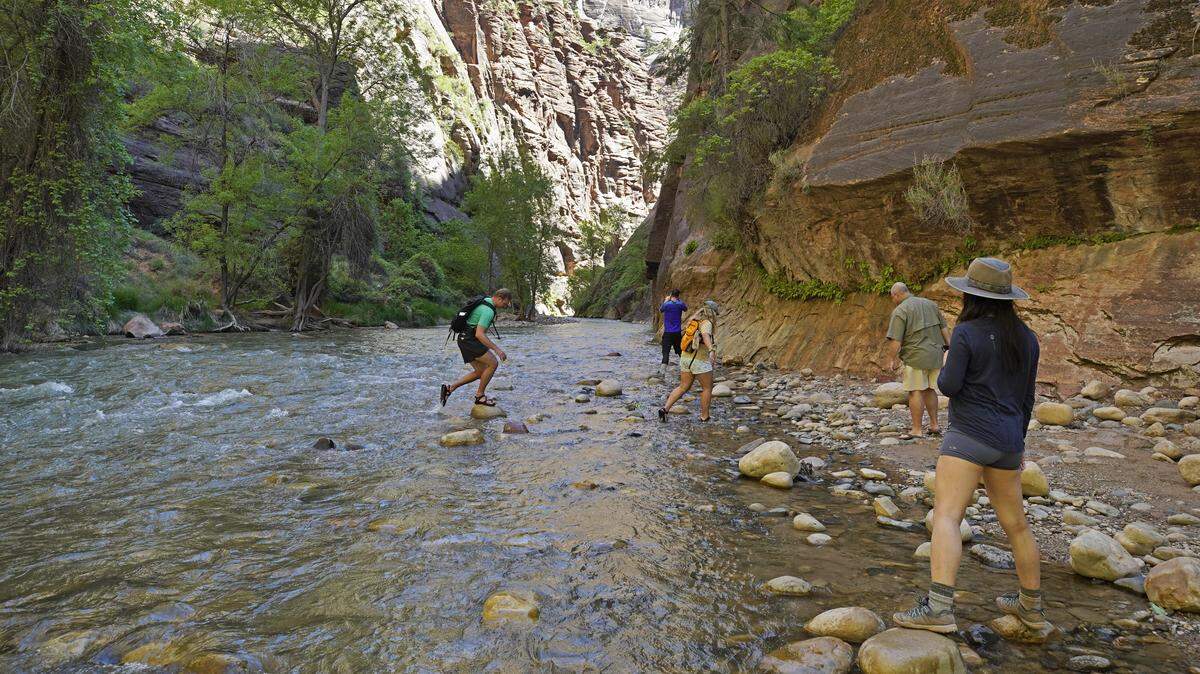
Walking holidays are surging across Europe and North America as travelers swap rushed city-hopping for slower, scenic routes — and the inn-to-inn walking tour has emerged as one of the most popular ways to do it. Here’s how the format works, why it’s catching on and where to go.
What Is an Inn-to-Inn Walking Tour and How Does It Work?
An inn-to-inn walking tour is a multi-day hiking trip where you walk a new section of trail each day and sleep at a different inn, B&B or guesthouse each night — while the tour company shuttles your luggage ahead so you only carry a day pack.
The daily rhythm is the appeal. You wake up to a full breakfast at your lodging, head out with a day pack carrying drinks, snacks and a lunch supplied by the innkeepers or bought locally, and follow route notes, maps and sometimes GPS provided by the tour operator. At the end of the day, a clean room, hot shower and hearty meal are waiting at the next inn — along with your transferred bags.
The model fits squarely into the slow travel movement that’s reshaping how people see Europe. “At its core, I think slow travel is about intentionality and connection,” slow travel creator Gi Shieh told The Good Trade. “It’s about spending more time at a destination to immerse yourself fully in the beauty and uniqueness of the land and its people.”
Shieh added that “slow travel also means taking the time to note all the little details that make a place beautiful. Traveling slowly gives you a more mindful connection to the place you’re visiting.”
Expect warm hospitality, comfortable accommodation and homemade local cuisine at each stop — the format is built around regional food and innkeeper-led hospitality as much as the walking itself.
Is an Inn-to-Inn Walking Tour Good for Your Health?
Yes — combining daily walking with time in nature delivers measurable mental and physical health benefits that go well beyond the exercise alone.
Walking is exercise proven to help ward off anxiety, depression, dementia and Alzheimer’s, while improving self-esteem and raising dopamine levels. Add a natural setting and the benefits multiply: multiple studies link time outdoors to gains in happiness and overall wellbeing.
The appreciation of our natural surroundings, according to the Mental Health Foundation, has a direct relationship to keeping us “emotionally, psychologically, and physically healthy.”
That combination — sustained daily movement, fresh air, scenic landscapes and the social warmth of small inns — is a big part of why walking holidays appeal to couples, friend groups and solo travelers looking for something more restorative than a standard vacation.
Should You Book a Guided or Self-Guided Inn-to-Inn Walking Tour?
Self-guided tours offer more flexibility and tend to be more budget-friendly, while guided tours provide structure, expert support and are a better fit for challenging terrain.
Self-guided trips let you set your own pace, take spontaneous detours and start or end on any day that suits your schedule. Because you’re not paying for a guide, they’re typically cheaper. Costs usually cover lodging, several meals, hiking itineraries and luggage transfers between inns.
Guided tours hand off all the logistics — route information, equipment, navigation — to a professional. They’re worth the extra cost on tougher routes or if you simply prefer the structure and the company.
DIY is a third path: arrange the whole trip independently by finding hiker-friendly inns willing to transfer your bags, or stay in one base location and day-hike out from there. It takes more legwork but gives you full control over the itinerary and budget.
What Are the Best Inn-to-Inn Walking Tours in the World?
The best inn-to-inn walking routes span Europe and North America, including the Camino de Santiago in Spain, the Tour du Mont Blanc through France, Italy and Switzerland, and Vermont’s southern circle route in the U.S.
Camino de Santiago, Spain — The 500-plus-mile (805 km) pilgrimage trail has a 1,000-year history and leads to the tomb of the apostle Saint James at the cathedral in Santiago de Compostela in northwestern Spain. Its vast network of historic pilgrimage routes is dotted with inns and guesthouses throughout.
Coast-to-Coast Walk, England — Nearly 200 miles (313 km) connecting the west coast of the Irish Sea to the east coast of the North Sea.
Cumbria Way, Lake District, England — A 5- to 6-day route with pubs and B&B options throughout. The high route variant is recommended for the best views, and May or September offer better weather with slightly thinner crowds.
West Highland Way, Scotland — Easy village-to-village walking through the western highlands. Five days is doable, but 7 to 8 days makes for a more relaxed pace. May is the best month — avoid June, July and August because of midges and crowds.
Tour du Mont Blanc, France/Italy/Switzerland — Circles Mont Blanc through three countries over 8 to 10 days for reasonably fit walkers, with a mix of catered huts and village stops. Late August to early September offers cooler temperatures and the least snow on the high passes.
Sunshine Coast Trail, British Columbia — Canada’s longest free hut-to-hut hiking trail runs 180 km (112 miles) from Sarah Point in Desolation Sound to the Saltery Bay ferry terminal, with 14 free public handcrafted huts along the way. A full thru-hike through old-growth forests and alpine ridges takes 10 to 12 days.
AMC Huts, White Mountains, New Hampshire — A network of huts run by the Appalachian Mountain Club through the White Mountain National Forest. Full details are available at outdoors.org.
Vermont Inn-to-Inn Walking Tours, southern Vermont — Walkers arrive the evening before the tour starts to a dinner and a route map for the next day. Daily walks run 7 to 13 miles, bags are transferred inn to inn, and innkeepers prepare specialty evening meals. The 40-plus-mile circle route covers 4 days of walking with gourmet breakfasts and new routes daily, ending back at the starting inn where your car is waiting.
How Do You Plan Your Own Inn-to-Inn Walking Tour?
Start by deciding between a tour company and fully independent booking, then pick your region and season carefully — Europe is ideal thanks to its extensive national network of well-maintained, marked paths.
A few practical decisions shape the trip. Choose between moving inns each night or staying in one base location and day-hiking out from there — the base model cuts logistics but limits how much ground you cover. Factor in the season, because weather and crowds make a big difference on most routes, especially in popular regions like the Scottish Highlands and the Alps.
If you’re going fully independent, look for hiker-friendly inns that will transfer your bags between stops — that one service is what makes the inn-to-inn walking tour format feel like a vacation instead of a backpacking trip.
This article was created by content specialists using various tools, including AI.
.jpeg)