Travelers Are Skipping Hotels and Airbnb for These Cheaper Stay Alternatives — Including House Swapping
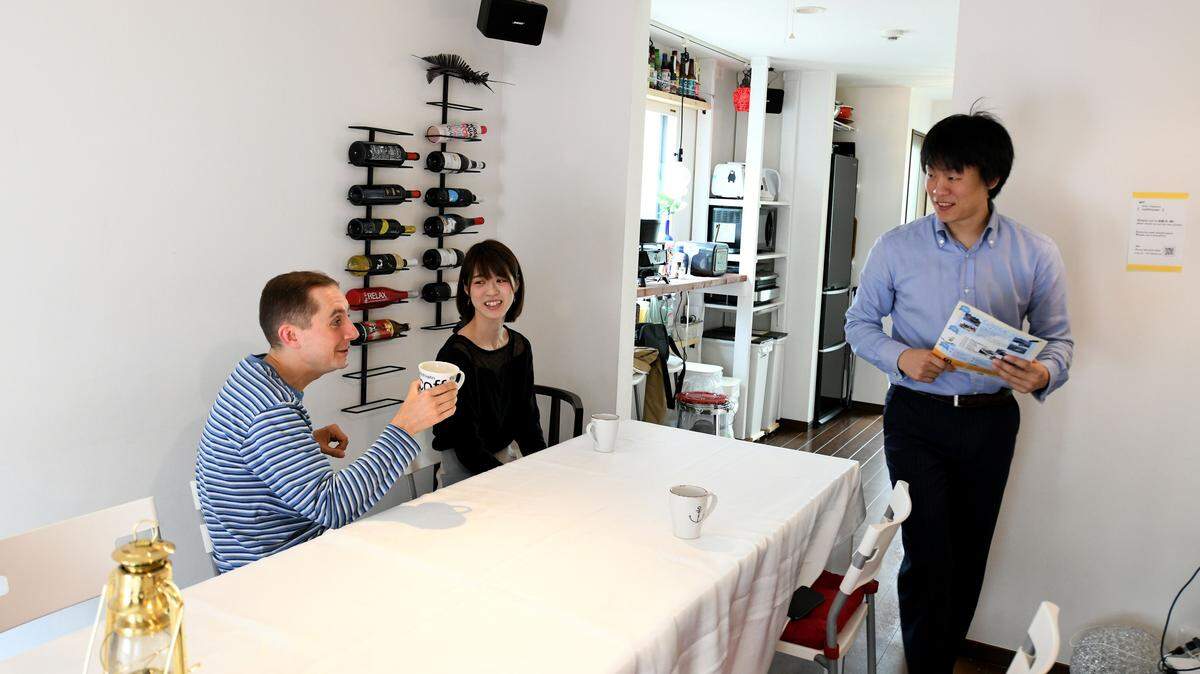
Travelers are rethinking where they sleep on vacation — and increasingly, the answer isn’t a hotel or an Airbnb. House swapping, a model where members exchange nights in each other’s homes rather than dollars, is gaining ground as rising rental prices, overtourism backlash and a hunger for authentic local experiences reshape how people plan trips. Platforms like Kindred and HomeExchange are growing fast, and the appeal goes beyond cost: travelers say swapping homes — or staying with a host through a homestay — delivers the kind of immersive trip a hotel simply can’t match.
The shift is showing up in the numbers. According to Kindred’s 2026 Global Travel Forecast, a survey of 4,000 consumers in the U.S. and U.K., 61% named affordability as their top motivation for 2026 trips. More women (66%) than men (57%) ranked affordability as their main concern. The trend points to a clear move toward smarter, more economical travel without sacrificing the joy of discovery.
How House Swapping Works
House swapping is exactly what it sounds like: members exchange stays in each other’s primary residences, with no cash changing hands between hosts and guests. Instead of renting a property like you would on Airbnb, you trade nights — you stay in someone’s home, they stay in yours (or in another member’s home through a credit system). Platforms typically charge a small service fee or annual membership, but there’s no per-night revenue going to the host.
The model has attracted travelers who want something more personal — and cheaper — than a short-term rental. Two platforms dominate the conversation right now: Kindred, which launched in 2022, and HomeExchange, which has been around for more than 30 years.
Why House Swapping Is Growing
Demand for immersive, locally rooted travel is surging, and house swapping sits at the intersection of two big trends. A 2025 Skift research report found that 86% of travelers are prioritizing immersive experiences over traditional sightseeing, with millennials (80%) and Gen Z (75%) driving the trend. The same share — 86% — said they’re seeking entertainment, sports and cultural activities when they travel.
A 2026 study by the European Travel Commission on long-haul travelers to Europe found a similar pattern: travelers want local, authentic experiences and are increasingly open to destinations beyond the main tourism routes. House swapping delivers both — you’re staying in a real neighborhood, in a real home, often well outside the tourist core.
There’s also a values dimension. Home-swapping platforms emphasize primary residences rather than investor-owned units, which eases concerns around overtourism and the rising rents that have pushed locals out of popular destinations.
Kindred: The Newer Player
Kindred launched in 2022 and now has 75,000 members across 150 cities in the U.S., Canada, Mexico and Western Europe. It’s free to sign up, with no membership fee. Members pay $15 to $35 per night to the company, plus cleaning costs — roughly one-tenth the cost of a typical short-term rental, according to the company. Members exchange nights rather than dollars, and there’s no way to buy or sell nights for cash.
“Over 90% of our homes are the real primary residences of the hosting member, and most of the year it’s where they live. Members are exchanging nights and not dollars, so there’s no way to purchase or sell nights on Kindred for cash,” Justine Palefsky, co-founder of Kindred, told CNN.
“Hosts do not earn revenue by hosting, they just earn the ability to stay in somebody else’s home at another time,” Palefsky said.
She added that removing the financial exchange changes the dynamic between members. “By removing that exchange of where one is paying the other, the relationship between two members feels really different. It’s much more of two peers who have both contributed something, who connect as humans in advance of their stay and decide to trust one another,” she told CNN.
Kindred builds trust through pre-trip video calls, in-app messaging between hosts and guests, and global in-person community events.
“Affordability has always mattered, but it’s now the leading driver of travel decisions. People aren’t traveling less — they’re traveling smarter,” Palefsky told Forbes. “They’re looking for ways to maintain the joy of discovery while avoiding inflated prices and impersonal experiences.”
HomeExchange: The Veteran
HomeExchange has been around for more than 30 years, starting as a printed catalog before moving online. It now has 200,000 members in 150 countries and has grown roughly 50% per year over the past three years. The platform recorded more than 460,000 exchanges in 2024. Membership is a flat $220 per year for unlimited exchanges. The concept got a pop-culture boost from the 2006 film “The Holiday,” starring Cameron Diaz and Kate Winslet.
CEO Emmanuel Arnaud frames the platform as a direct counter to the rental economy. “Airbnb’s initial promise was that everything can be rented, even your most precious asset. Our promise is the reverse: Everything can be shared,” Arnaud told CNN. “There’s another world that’s possible, that’s not necessarily monetary. Even your most important financial and intimate asset, your home, can be shared. And if we all share it, then we can unlock amazing travel possibilities.”
Homestay Travel: The Related Alternative
If swapping your home feels like a leap, a homestay offers a related but distinct option. A homestay means lodging in a local’s home rather than a hotel, hostel or campsite — but you’re a guest, not a swap partner. The host family typically shares meals, customs and insider knowledge of the area, which travelers say turns a vacation into something closer to actually living in a place.
The benefits overlap with house swapping: full immersion without feeling like an outsider, better language exposure, home-cooked meals, cost savings and access to off-the-beaten-path experiences. The difference is in the relationship — homestays put you alongside a host, while swaps give you the run of someone’s home.
Is House Swapping Safe?
Safety is a reasonable concern for first-time swappers, and the platforms have built in safeguards. Before booking, research local laws and cultural customs at your destination. Read reviews carefully — both of the home and the host — and vet host profiles by looking at photos, hosting history, guest feedback and house rules. Pre-trip video calls, which Kindred and other platforms encourage, give both parties a chance to size each other up before keys change hands.
How to find a homestay or house swap
Several platforms serve different corners of this market:
- Homestay.com — a dedicated platform with global listings for traditional homestays
- Worldpackers — a skills and volunteer exchange where travelers trade work for accommodation
- WWOOF — connects travelers with organic farming hosts worldwide
- Couchsurfing — a community-driven platform with no cost to stay
- Kindred and HomeExchange — the leading house-swapping platforms
For more information: Homestay Travel Guide: What Is It and Why Are Travelers Choosing It in 2026?
The common thread across all of them is the same one driving the broader shift away from hotels and short-term rentals: travelers want to feel like they belong somewhere, even briefly, rather than pass through it.
This article was created by content specialists using various tools, including AI.