Solo Travel as a Woman Over 40: What Changes and What Gets Better With Time and Experience
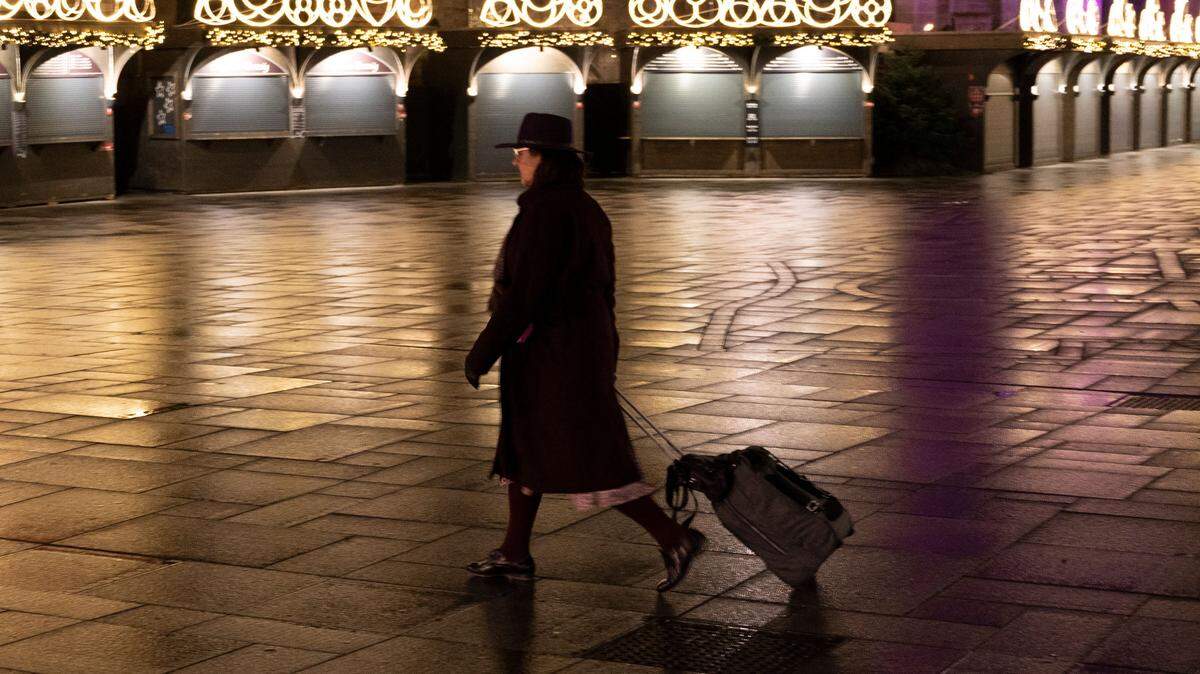
There’s a shift happening in the way women over 40 approach travel — and it has nothing to do with slowing down.
Life transitions such as an empty nest, divorce, career pivots or simply reclaiming personal freedom often spark the desire to explore the world alone. And increasingly, women in their 40s and 50s are answering that call.
The numbers back it up. According to data from Condor Ferries, 45% of women expressed interest in traveling alone in 2025, 8% higher than in 2024. The narrative around solo female travel has shifted significantly — it’s no longer seen as sad or risky. For many women, it’s aspirational, even described as a form of self-reclamation.
What genuinely gets better
Women who travel solo after 40 often find that age brings a set of advantages no guidebook can teach.
Confidence tops the list. You know yourself, you trust your instincts, and you’re less swayed by social pressure. Decision-making gets simpler too — no group consensus needed. You eat where you want, stay as long as you want and leave when you’re ready.
There’s also a deepened patience and perspective. Small inconveniences like a delayed train or a disappointing meal don’t derail the trip. Budget clarity sharpens as well: you know what you value and don’t waste money on experiences you don’t care about.
Perhaps most importantly, comfort with solitude transforms the experience. Being alone doesn’t feel lonely — it feels like freedom.
What actually changes
Solo travel over 40 does come with real shifts, though, and acknowledging them makes for better trips.
Physical stamina and comfort preferences may evolve. A private room might appeal more than a hostel dorm. A slower pace or higher-quality accommodation might better serve the journey. Sleep and health logistics — managing medications, time zones or dietary needs — become an important part of the planning process.
Safety awareness hasn’t gone anywhere, but the approach tends to be more strategic, rather than paranoid. Social dynamics shift too. You’re less likely to end up in a hostel common room at midnight, but you’re better at seeking out meaningful connections.
Planning tips that make a difference
Smart planning starts with choosing destinations that have strong solo travel infrastructure: good public transit, walkability and a culture that’s welcoming to solo women.
Accommodations matter. Don’t default to hostels if they’re not your thing. Boutique hotels, guesthouses and women-only accommodations are great alternatives.
Travel insurance is non-negotiable. Look for policies with medical coverage that accounts for any pre-existing conditions. Apps and online forums can connect you with other solo female travelers, and group tours or experiences can be a great way to meet new people along the route.
“Now in my 40s, this is my go-to mode of travel. I prefer solo travel, and a great way to do it is through a group experience either at the beginning of a trip, or for the whole duration,” Liz Oke shared with Intrepid Travel.
One universal piece of advice: tell someone your itinerary and check in regularly — not because solo travel is uniquely dangerous, but because it’s smart at any age.
You’re far from alone
If you’re over 40 and considering your first solo trip, know this: you’re not starting late. You’re joining the majority.
Data from Condor Ferries found that “81% of solo female travelers are over 45 years old” and that “the average U.S. traveler is a 47-year-old woman.”
Solo travel after 40 isn’t a consolation prize. For a growing number of women, it’s the whole point.
This article was created by content specialists using various tools, including AI.