
Everything You Need to Know Before Buying Your First Greenhouse
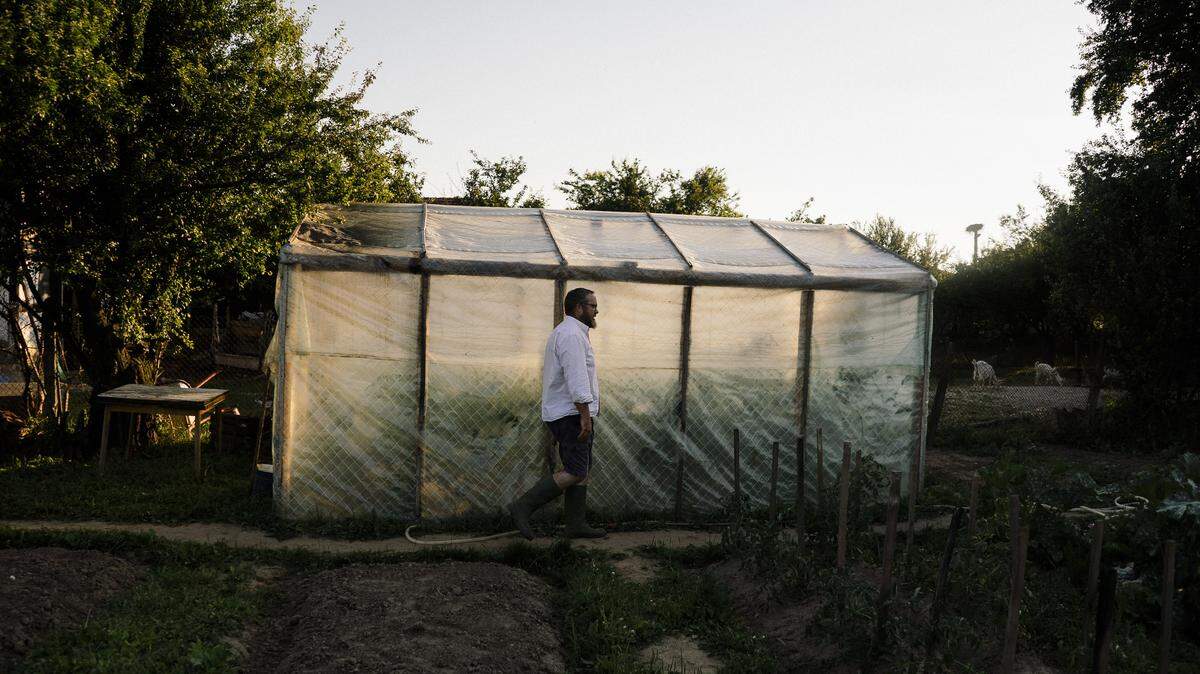
A greenhouse works on a straightforward principle: sunlight enters through transparent walls, heats the air and soil inside, and the enclosed structure traps that warmth. Humidity builds. Temperature stays more stable than the open air. The result is a controlled growing environment where you set the conditions rather than waiting on the weather.
That’s the basic appeal. But the real question for anyone eyeing their first greenhouse is more practical: is this actually worth the investment of space, money and time?
Is a greenhouse right for you?
Greenhouses suit gardeners, hobbyists and food growers who want to extend their season or gain more control over growing conditions. The reality of maintaining one, though, differs from the fantasy. You’ll need to manage ventilation, monitor temperature swings and stay consistent with watering — a bigger commitment than most beginners expect.
Before buying, weigh how much space you have, what your budget allows and how much time you can dedicate each week.
Choosing the right type
Not all greenhouses look or function the same. According to Home Depot’s greenhouse buying guide: “Walk-in greenhouses are the structures that most often come to mind when we think of a greenhouse. Many come with features like doors to control access, and vents that control temperature and humidity. Mini greenhouses are smaller, compact options that are suitable for small spaces and smaller projects, like starting seeds. Hoop houses are tunnel-shaped walk-on greenhouses. They’re often made with galvanized steel frames. Lean-to greenhouses are small structures that are built against a structure like a house or shed.”
Beyond structure, you’ll decide between materials: polycarbonate, glass or plastic film. Each comes with trade-offs in durability, insulation, light transmission and cost.
Freestanding greenhouses give you the most flexibility in placement and sizing. Attached models like lean-tos share a wall with your home or another building, which can simplify access but limits where you can build.
Where to put it
Placement determines how well your greenhouse performs over the long run. You need a spot that gets 6 to 8 hours of direct sunlight daily, sits on level ground with proper drainage and stays protected from strong winds.
Eartheasy notes: “Location is key when installing a greenhouse. Proximity to tree roots and water, along with the amount of sunshine, will affect your greenhouse’s ability to produce for years to come. In northern latitudes, greenhouses are usually oriented east to west, with a clear exposure on the south side (that means no shade). This helps maximize the amount of sunlight received, as well as the heat gained.”
Getting the orientation wrong or tucking your greenhouse behind a tree line can undermine the entire project before you plant a single seed.
What to grow inside
This is where a greenhouse starts earning its keep. The enclosed environment protects plants from pests, disease and unpredictable weather, which means you can grow crops that would otherwise struggle in your climate.
According to Eartheasy: “Plants requiring protection from pests and disease: Even if a heat-loving plant can grow in your climate, it may still suffer from damage. Greenhouses provide protection from scourges like tomato blight, which ravages otherwise beautiful crops in areas with cool, rainy weather. Cold hardy greens to eat over the winter: Lettuce, kale, chard, tat soi, pac choi and more: start these cold hardy greens in late summer to enjoy all winter long. You can add shade cloth where necessary. Perennials that need a warm space to overwinter: Tender plants like geraniums, dahlias, gladiolas and, yes, peppers will hold over the winter in many locations, providing the conditions are right. When resurrected in the spring, you’ll have an extra month or more of harvesting and enjoyment.”
The growing calendar inside a greenhouse stretches well beyond what outdoor beds allow. Cold-hardy greens started in late summer can feed you through winter. Heat-loving crops like tomatoes get shielded from blight. And tender perennials that would die in a frost — dahlias, geraniums, peppers — can overwinter safely and come back stronger the following spring with an extra month or more of harvesting.
Quick takeaways
- A greenhouse traps sunlight to create a warmer, more humid and controlled growing environment compared to outdoor gardening
- Mini greenhouses and hoop houses work for smaller spaces and budgets; walk-ins and freestanding models offer more room and features
- Aim for 6 to 8 hours of daily sunlight and orient east to west in northern latitudes with clear southern exposure
- Start with cold-hardy greens, pest-sensitive crops or perennials you want to overwinter
- Expect a real time commitment: ventilation, temperature and watering require regular attention
A greenhouse purchase makes the most sense when you’ve already identified what you want to grow, have a suitable location scouted and understand that the structure needs consistent care. Get those pieces lined up, and you’re looking at a growing season that runs far longer than your yard alone can deliver.
This article was created by content specialists using various tools, including AI.
This story was originally published April 1, 2026 at 4:00 PM.