
Want a playful pop of color? Never underestimate the power of annual plants
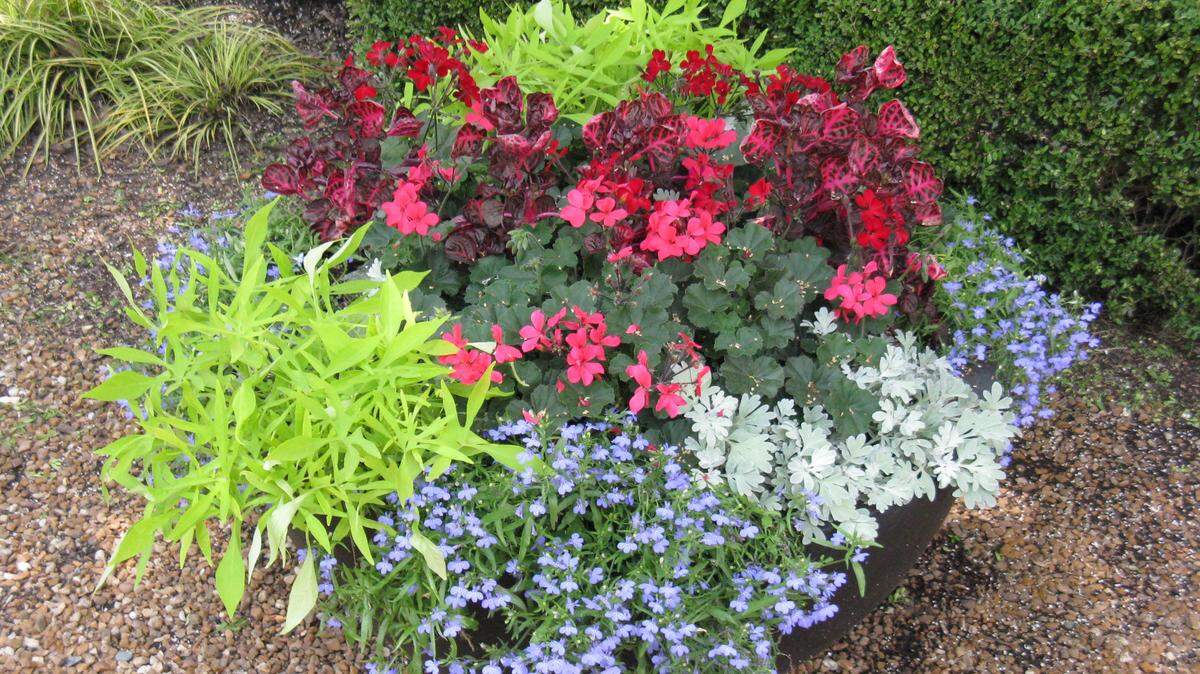
Annual flowers provide a playful pop of summer color in our container plantings, home gardens and landscape beds across the metro. Annuals are grown for their colorful accent flowers and a wide variety of foliage and texture choices. Getting the most blooms possible from your plants is the goal to maintaining season-long color.
Prepare for planting
Annuals are most often planted from a transplant grown in small containers. Select short, stocky plants with healthy foliage and roots. Avoid plants that are tall, leggy or have off-colored foliage. Bringing a stressed plant back to life will slow establishment and reduce its impact. Roots should be healthy, and the pot should be packed full of white meandering root growth.
Before planting you need to prepare the soil. Annual roots will develop quickly in freshly and properly prepared garden beds or containers. Lightly till to loosen and aerate the soil and incorporate several inches of organic matter such as compost. The organic matter increases the soil’s ability to hold water and provides needed oxygen for root growth.
Annual flowers are heavy feeders. Including fertilizer prior to planting will give them a boost. Apply and lightly incorporate a fertilizer like 10-10-10 at the rate of one pound per 100 square feet, or 1 to 2 tablespoons per 10 square feet or per grouping of five to six plants.
Planting time
Healthy plants should be a mass of tangled roots. Intertwined roots will not grow out into the surrounding soil. Instead, they will continue to spiral around the root ball. You will need to break apart the root ball carefully and gently. Take your fingers or a knife, remove the outer roots and fluff the roots, which encourages them to grow outward into the soil.
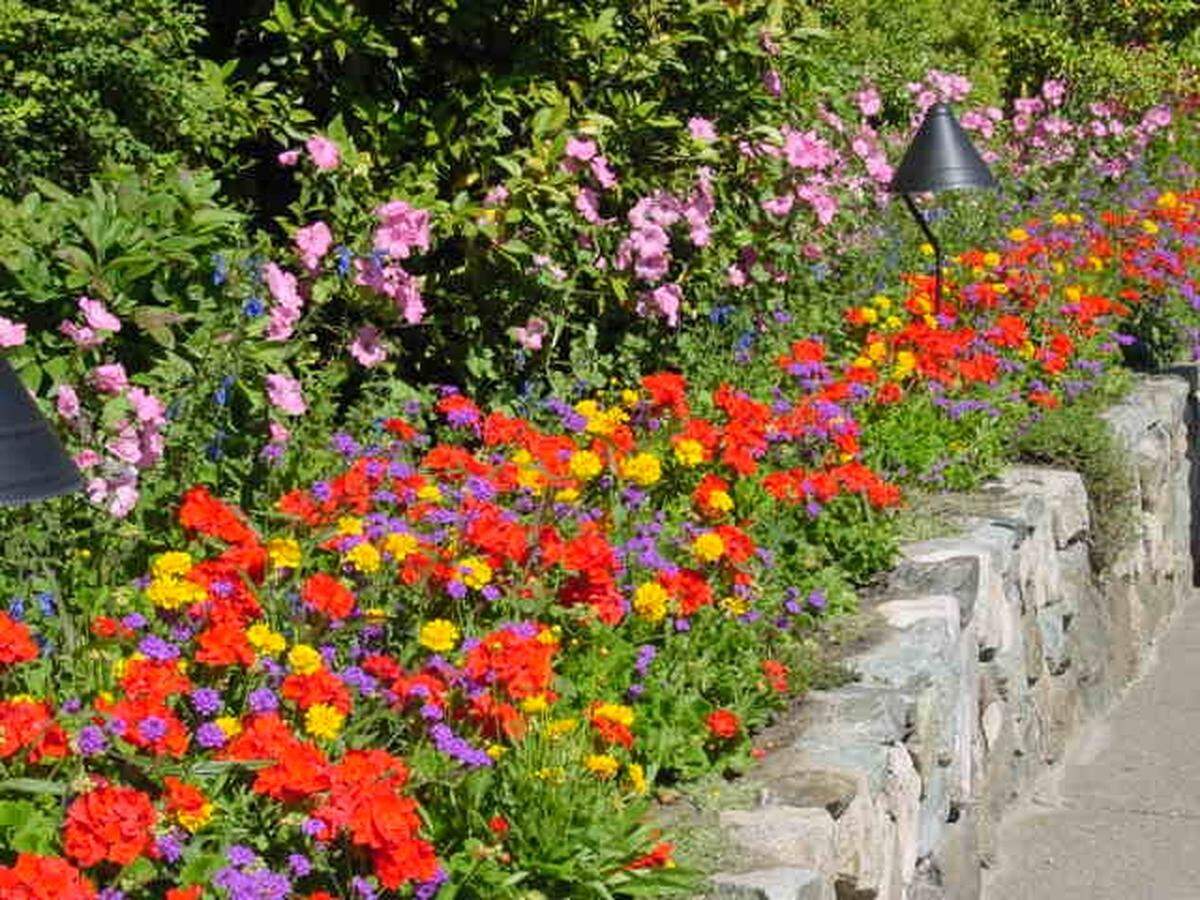
Achieving a full, bushy plant is the objective to ensure you get maximum bloom. More new growth and more shoots will mean more flowers. Annual transplants terminating in one shoot, stock or flower should be removed. I realize it is hard to cut off a flower, but the reward is worth the sacrifice. Removing the terminal flower encourages the plant to send out numerous new branches lower on the plant, resulting in more flower power sooner. Remember, the more shoots, the more flowers.
Once the roots are fluffed and the bud removed, place your new plant no deeper than it was initially. Lightly pack the soil and water thoroughly into the freshly fertilized soil to settle. The roots will take off, which will quickly establish the plants.
Season-long care
Success with annuals starts at planting and continues all summer long. Annuals are adaptable to a wide range of conditions. Most will do best with consistent good soil moisture, including the more heat and drought tolerant varieties. An inch or so of water per week reduces stress and increases flowering.
Additional fertilization will push the plants to develop more flowers. A good program is to implement a monthly fertilizer supplement after planting and continue that through September. The rate should be one half the above suggested rate.
The goal with additional fertilizer is to keep producing new green growth, which will develop your blossoms. Decreased new growth means you will have fewer flowers. Deadheading, or removal of spent flowers, keeps the plants neater, and it keeps them from using energy to set seed. Many newer annuals do not require deadheading as they do not set seed. Deadhead as you see fit.
It sounds like work, but with just a little extra care our annual plantings can deliver delightful color accents all summer long.
Dennis Patton is a horticulture agent with Kansas State University Research and Extension. Have a question for him or other university extension experts? Email them to garden.help@jocogov.org.
This story was originally published April 22, 2022 at 5:00 AM.