
Easy-to-grow berries add interest to veggie gardens — and a divine touch to the plate
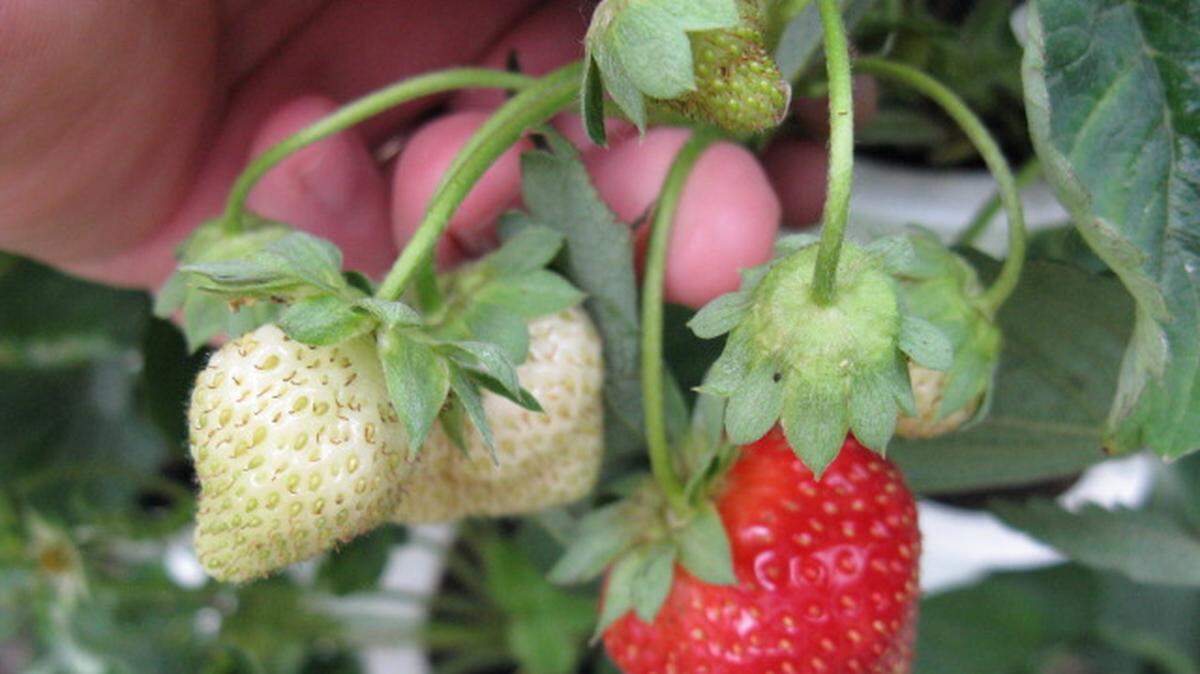
Attractive green foliage, white flowers and bright red edible fruits make strawberries the ideal plants for the vegetable garden, as well as the landscape. Strawberries are easy to grow. One foot of row can yield up to one quart of tasty berries. They could be grown in traditional vegetable garden rows or used as ground cover.
For a creative twist they might also be used as borders and edging in beds, or tucked in and around other plants in the landscape.
Strawberries have two fruiting habits, June bearing and everbearing. June bearing varieties produce fruit once a year in mid-May through early June depending on the variety. The advantage is a larger quantity of fruits at once. The downside is the season for fresh berries is short. Recommended June bearing varieties include Allstar, Cavendish, Earliglow, Guardian, Honeoye, Red Chief and Sparkle.
Everbearing varieties are also known as day neutral strawberries. They produce one crop during the same period as June bearing and a second crop in late summer to early fall. The advantage is a supply of fresh berries for a longer period. The disadvantage is the summer crops are often affected by summer heat and drought, which can greatly reduce the total harvest. Recommended everbearing varieties are Albian, Monterey, Portola, San Andreas and Seascape.
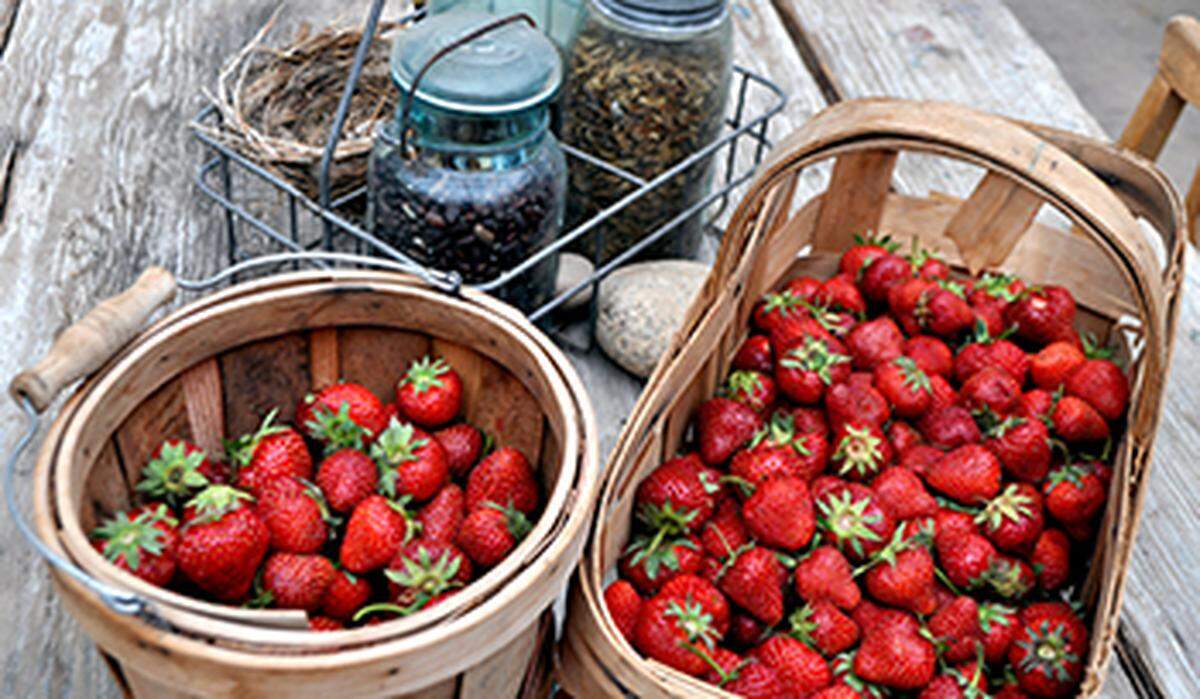
When starting a strawberry patch, select vigorous, virus-free plants from reputable nurseries. While it may be tempting, avoid sharing plants from a friend’s garden. Strawberries can be disease prone, and transplanting could result in issues.
Plant strawberries in the spring. Dormant bare root plants are an economical choice. Potted strawberry plants are also on the market but can be more expensive when first establishing a bed.
Strawberries are adaptable when they have a sunny, well drained location for best growth. Plants are shallow rooted and finicky about their planting depth. The bud or growing point should be slightly above the soil line. Planting too deeply will smother the growing point. Planting too high causes the plant to dry out and lose vigor. Since they have such shallow roots, timely supplemental watering for good growth and optimal fruit production is a must. Thoroughly water at planting and keep evenly moist during the summer.
For best growth you should fertilize strawberry beds prior to planting and every spring. A second application of fertilizer is suggested in early August. Summer fertilization develops the fruit buds for the following spring, as they set in the fall ready to produce when the weather warms again.
New strawberry plantings should have the spring blooms removed the first year, so the plants put their energy into establishment. This helps produce the new runners or daughter plants, which produces the crop the following year. Allow summer blooms to develop on everbearing varieties for the berry harvest the same year as planting.
Vigorous strawberries can produce too many daughter plants, which will result in overcrowding and reduced yields. After harvest in the year following planting, the beds should be renovated. This reduces the number of plants and removes older, less productive plants.
Consider adding strawberries to the garden. Like most plants they require care, but few other plants can add beauty and as a bonus an enjoyable tasty snack.
Dennis Patton is a horticulture agent with Kansas State University Research and Extension. Have a question for him or other university extension experts? Email them to garden.help@jocogov.org.
This story was originally published April 15, 2022 at 5:00 AM.