
The shadiest character in the garden is the tree. Here’s how to plant, nurture them
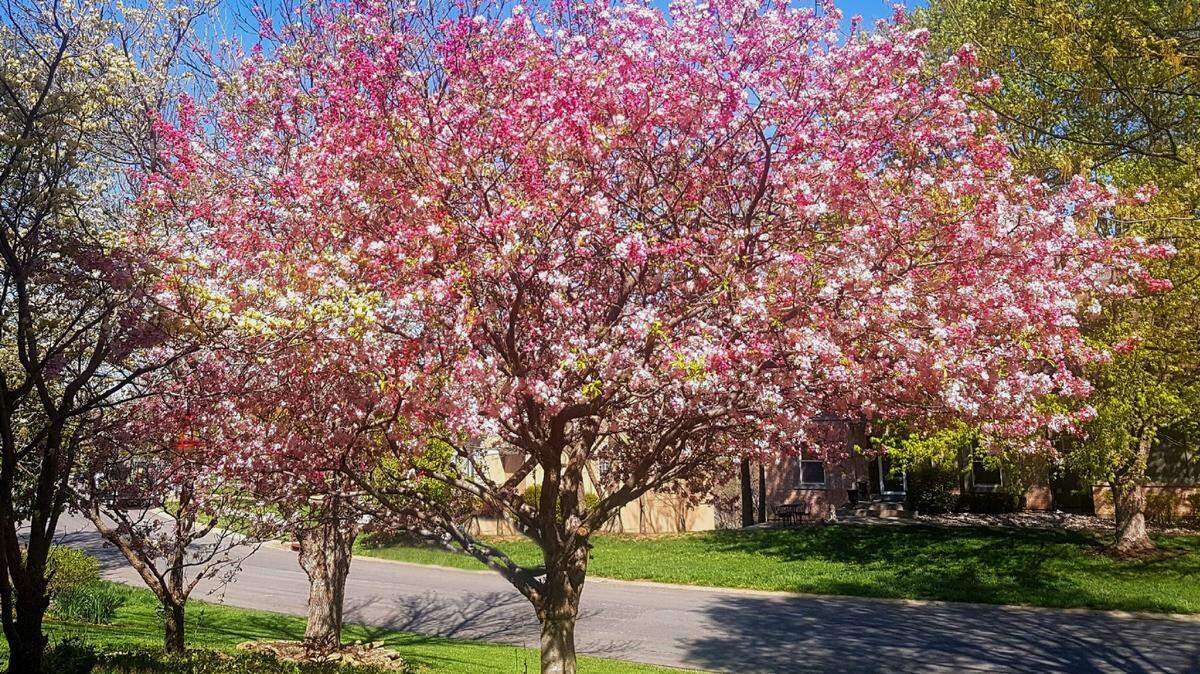
Planting a new tree is an investment in the future. We envision a tree providing shade, flowers, fruit, or fall color for our enjoyment. The potential growth and health of the tree begins with the very important first steps you take when you plant it. Before you plant consider these tips to help the tree flourish.
The odds of success increase greatly when you select the right variety for your specific location. This may mean your favorite tree will not work in your site. Think about what qualities you want from the tree or don’t want. Will it take the exposure and match your level of care? Remember: right tree, right place. Your extension office can assist you with the appropriate tree selection.
Once the tree is at your home and waiting to be planted, remember to provide proper care. Keep the root ball watered and in a shady location until planting time. When you move the tree never carry it by the trunk. Pick the tree up by the root ball or container. Carrying the tree by the trunk will damage the roots.
Before you plant the tree remove all wires, labels or cords tied to the plant. If left in place over time they may girdle the branches. The root flare, the point where the trunk and roots meet, should be visible. If you don’t see a root emerging from the trunk remove soil until you see the first roots. This is the appropriate planting depth.
Dig a proper hole. Dig deep enough so the tree sits slightly above the root flare. The tree should sit on solid ground, not on fill dirt. Digging deeper results in the tree settling and sinking too deeply, which will slow establishment and growth. The width of hole should be three times the diameter of the root ball. Loosening the soil outwards to a width of five times the size of the root ball will further increase root development.
After the hole is dug remove all types of containers. Circling roots may lead to issues later and should be loosened, cut, and pulled out to increase rooting. Balled and burlap trees should have as much of the burlap and wire basket removed or cut back as possible without breaking the root ball.
Backfill the hole with the same soil that you removed when you dug the hole. Amending the soil with compost or peat moss may do more harm than good by creating a pot effect. Water at planting to settle the soil. It is not necessary to fertilize at planting.
Avoid the urge to prune, and then only to remove limbs that are damaged or rubbing. Research shows us that as the leaves develop a hormone is released that will encourage additional root growth. More leaf buds and leaves results in increased rooting and growth.
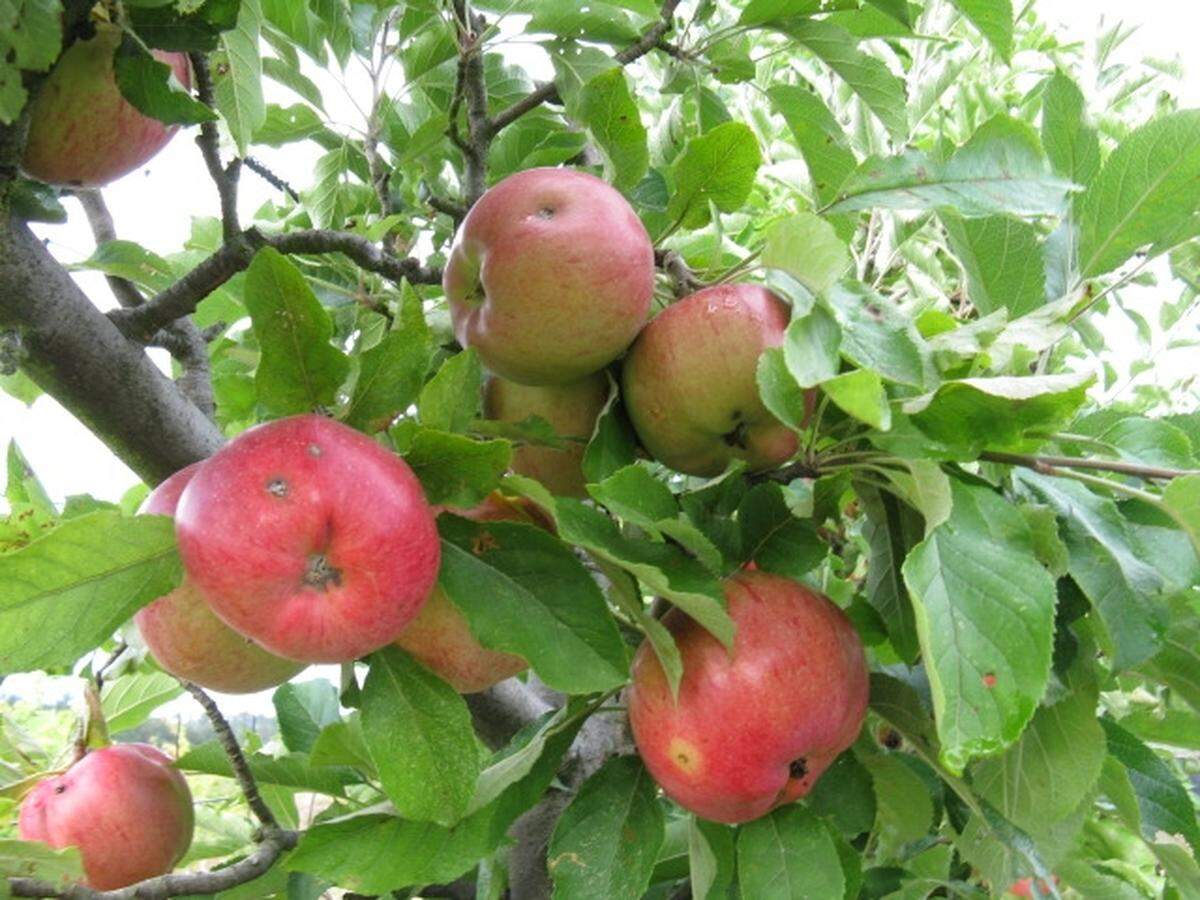
Water the tree about once a week for the first season, thoroughly soaking the root ball and planting area. This helps roots spread out more rapidly into the freshly loosened soil. Mulch the tree with 2 to 4 inches, and cover an area at least two to three times the diameter of the root ball. Mulch reduces competition, conserves moisture, and cools the soil, all aiding in quicker establishment. Never pile mulch on the trunk. Mulch should be kept a few inches away from the trunk.
Trees will establish faster if they are not staked. Movement of the canopy helps trees to develop a stronger trunk and roots. Stake only when necessary, and only stake larger trees that are planted in windy locations for the very first growing season.
By following these simple guidelines your tree will grow bigger, stronger and faster providing the beauty we desire.
Dennis Patton is a horticulture agent with Kansas State University Research and Extension. Have a question for him or other university extension experts? Email them to garden.help@jocogov.org.
This story was originally published April 8, 2022 at 5:00 AM.