
Ready for a rewarding summer? Take these tips on pruning spectacular clematis plants
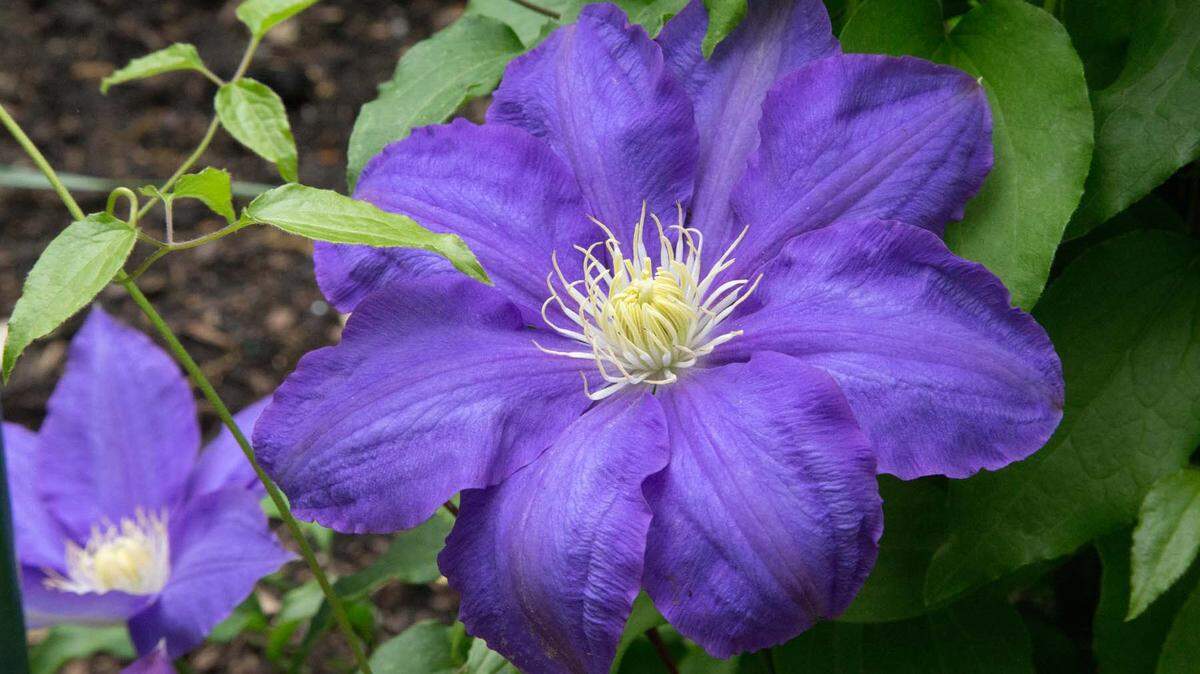
Clematis may be one of the most versatile, beautiful and easy-to-grow vines. No other vine has this kind of flower power with such a wide range of colors.
Clematis start blooming in late spring. Depending on care and variety, they can still be blooming well into fall. When you give them proper care, you will get amazing results and returns.
Clematis are mainly vining plants. There are a few, including a native species, that are scramblers and have a mounding growth habit. Vining types need support. Clematis do not have tendrils or aerial roots. They climb by twining or wrapping around a trellis.
Site selection is important for best growth and blooms. They need about six hours of sunlight per day. Ideally it would be morning sun and afternoon shade. Intense summer sun can wash out the flower color. They do have one fussy habit. While they like sun for flowering, their root systems like it cooler and prefer evenly moist soil.
Situate plants so the roots are shaded by other plants or with about 3 inches of organic mulch, such as wood chips or shredded leaves, to assist with moisture retention. The soil should also be well drained as they can be susceptible to root rot.
Clematis can be slow to establish. Larger plants cost more initially, but will give you quicker returns. Like many vines we jokingly say, “the first year they sleep, the second year they creep and the third year they leap.”
Fertilization will increase the vigor. Apply organic fertilizers in the fall or winter. Sprinkle all-purpose garden fertilizers at the rate of a couple tablespoons around the base prior to spring growth.
Pruning is the most difficult part of growing clematis. Reading gardening books about pruning clematis can be confusing. They place varieties into one of three groups, each having their own set of instructions. This system works if you know the variety. If not, you are lost.
Prune clematis in the early spring when growth begins. The simplest approach is to cut the plants back to the ground. The result will be smaller vine and a later flowering period. This may seem brutal but it works. The plant will survive. This is the easiest method as it takes no thought.
When you don’t want to sacrifice size and you want to maximize flowering, wait for new growth to appear, then prune. Start at the top of last year’s vine. Move down the vine until you spot a live bud or shoot. Prune just above the first live bud.
Continue this approach, removing all the dead growth. Once the dead growth is cleaned up, you are finished. Be careful when working around clematis as the new growth is brittle, and it will break easily. Reattach any loose vines to your structure using twine.
The other option for aggressive vines is to start at the ground level. Work up to a healthy pair of buds one to two feet above the soil level. Make your cut at this junction and remove all growth above this point.
Clematis will soon be waking up and now is the time to provide care for a rewarding summer of vibrant blooms.
Dennis Patton is a horticulture agent with Kansas State University Research and Extension. Have a question for him or other university extension experts? Email them to garden.help@jocogov.org.
This story was originally published March 18, 2022 at 5:00 AM.