
The best way to get rid of crabgrass is to tackle it before it emerges. Here’s how
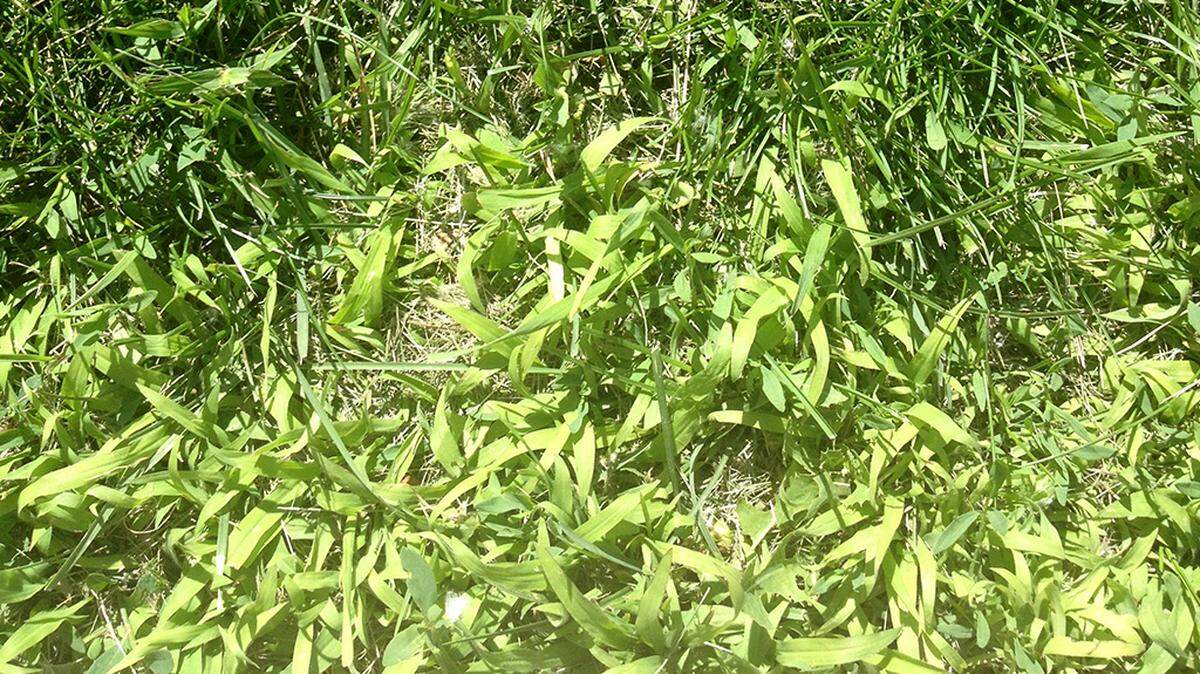
A picture-perfect carpet of green grass is the desire of many homeowners. However, achieving this look is not easy as weeds, insects, and diseases can affect growth. Although crabgrass can be one of the peskiest weeds, it is easily controlled with the right product and timing before it starts.
Stop crabgrass and other annual grassy weeds from taking over your lawn by using herbicides called preventers or pre-emergents. These products work by preventing the germinating seed from establishing in the soil before it emerges. Preventers are only effective if applied and work their way into the soil before the weeds take root.
Know the timing
Crabgrass germinates in the early spring as the soil temperature increases. The sprouts shoot up when the soil reaches 54 to 64 degrees at a depth of 1 inch.
Since few people monitor soil temperature, there is an easier way to know. Redbud trees flower around the same time crabgrass starts to germinate. Purchase the crabgrass preventer and be ready to apply when the redbuds in the Kansas City area burst into bloom.
Improve the effectiveness
Water crabgrass controls into the soil to activate, providing the desired effect. My strategy is to purchase the pre-emergent ahead of time and wait for a spring rain. I apply the product just before rainfall, letting nature’s water do the work for me. It is better to apply the controls on the early side than to wait and risk germination.
What to apply
Active ingredients with the longest period of control are dithiopyr (Dimension) or prodiamine (Barricade). Pendimethalin is in some products but has shorter residuals and may require two spring applications. There are no effective organic controls for grassy weeds.
Pre-emergents are most often found combined with fertilizer. In reality, early spring fertilization of the lawn is not recommended as it pushes top growth, resulting in frequent mowing. Ideally, you would apply these products without the fertilizer, but it is challenging to find preventers on the market without the addition of fertilizer.
So why then is the fertilizer added to the pre-emergent? Companies know homeowners crave the look of a lush green lawn, see the results of using their product, and are happy with the outcome.
Remember to sweep or blow the pellets of preventer and fertilizer back onto the lawn and off driveways and sidewalks. If left on hard surfaces, they wash into our waterways, decreasing our water quality. In addition, excess fertilizers in water cause unsightly algae blooms in streams and ponds.
Do I need the application?
There is an increasing movement to reduce pesticide and fertilizer use in lawns. Not everyone desires a green carpet lawn and will tolerate a few weeds.
Crabgrass, like all weeds, is opportunistic. The best defense from weeds is a thick lawn, as weeds require sunlight for germination. Proper mowing height, around 3 inches, and timely fall fertilization are key to reducing weeds.
Skipping the spring crabgrass application may result in summer weeds. Crabgrass grows best in full sun, in thin stands, and areas along sidewalks and driveways. Shady sections and stands of thick turf have less pressure.
A compromise in reducing pesticide use is only to treat sunny, high-pressure areas. You will reduce the overall amount of chemicals used while keeping grassy weeds at bay.
Dennis Patton is a horticulture agent with Kansas State University Research and Extension. Have a question for him or other university extension experts? Email them to garden.help@jocogov.org.
This story was originally published March 11, 2022 at 5:00 AM.