
The biggest problem plants have with a warm December? It’s not the high temperatures
If you enjoy more cool fall-like conditions than bitter cold, you were not disappointed with the weather patterns of December 2021. According to the National Weather Service, last December in Kansas City was the third warmest on record, at 10 degrees warmer than usual.
Not only was it warm but it was also dry. With only a half-inch of precipitation, it was the 23rd driest month on record. December also goes down in the record books as only the second time to record no snowfall in the past 134 years.
These weather patterns have local gardeners worried. How these patterns affect plants has been a common question at the Johnson County K-State Extension office.
Warm weather resulted in people noticing spring bulbs poking out of the soil and buds on some trees and shrubs. In addition, some buds are plumper than normal as they start their spring expansion.
For the most part, the warm December had little negative effect on plants. They are smarter than we give them credit for.
Cold damage to plants occurs most frequently with rapid temperature swings experienced in the early fall or spring. Plunges in fall temperatures when the plants are still in leaf or entering dormancy cause the most problems. Plants that have had time to go into winter dormancy slowly are not as likely to be phased by rapid changes or severe cold in December, January or February.
Conversely, damage is more likely in late winter with above-average temperatures in late February, March or even early April. Newly emerged spring growth has little ability to protect itself from the extreme cold. As a result, damage from early fall hard freezes or late spring freezes often result in bud and twig dieback.
The most significant concern currently with the December weather pattern is dry conditions. Plants continue to use and lose water during the winter months while dormant. Lack of good soil moisture decreases winter hardiness and increases the chance of damage.
Plants most at risk are non-native species, specifically evergreens. Evergreen shrubs and trees use and lose the most moisture over winter. Many of our evergreen species are not drought tolerant and more likely to be damaged.
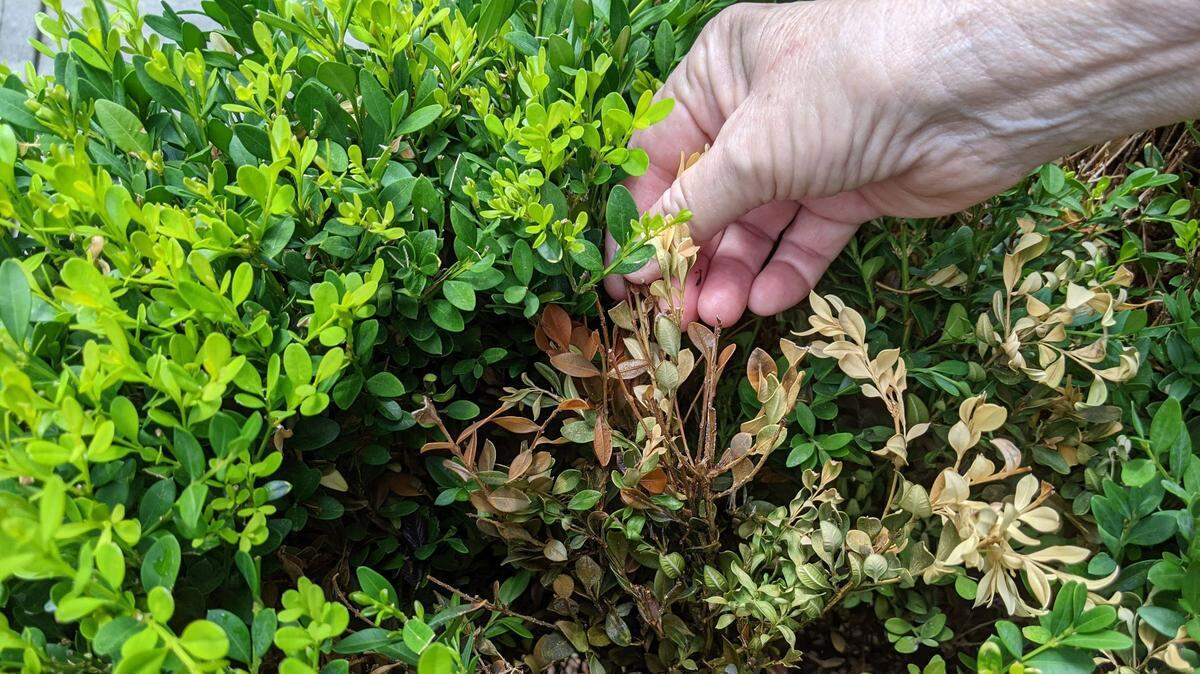
The effects of winter drought do not show up immediately. Winter drought damage often is not noticeable until the heat of summer arrives. Why? Plants succumbing to winter drought usually have enough energy to push new spring growth.
Once summer stress arrives, the plant cannot conduct the water needed since the root system and internal processes were compromised and dieback appears. At this point, watering is of little help as the damage is done.
What does the rest of winter hold for our plants? As they say, only time will tell. Winter temperatures should not have much effect. The wind chill temperature does not affect plants like people.
However, cold winter winds can desiccate foliage, compounding drought issues. Plants are fully dormant, but as daylight increases and temperatures warm, spring development will continue internally.
The most significant concern is the effect of the dry conditions. If this pattern continues, it might be a good idea to water young, establishing shrubs and trees, specifically evergreens, to ensure they come out of winter unscathed. Add a bucket of water on a day when temperatures are above freezing. As they say, an ounce of prevention is worth a pound of cure.
Dennis Patton is a horticulture agent with Kansas State University Research and Extension. Have a question for him or other university extension experts? Email them to garden.help@jocogov.org.
This story was originally published January 14, 2022 at 5:00 AM.