
Love to watch jays or prefer finches? Here’s how your choice of seed can attract them
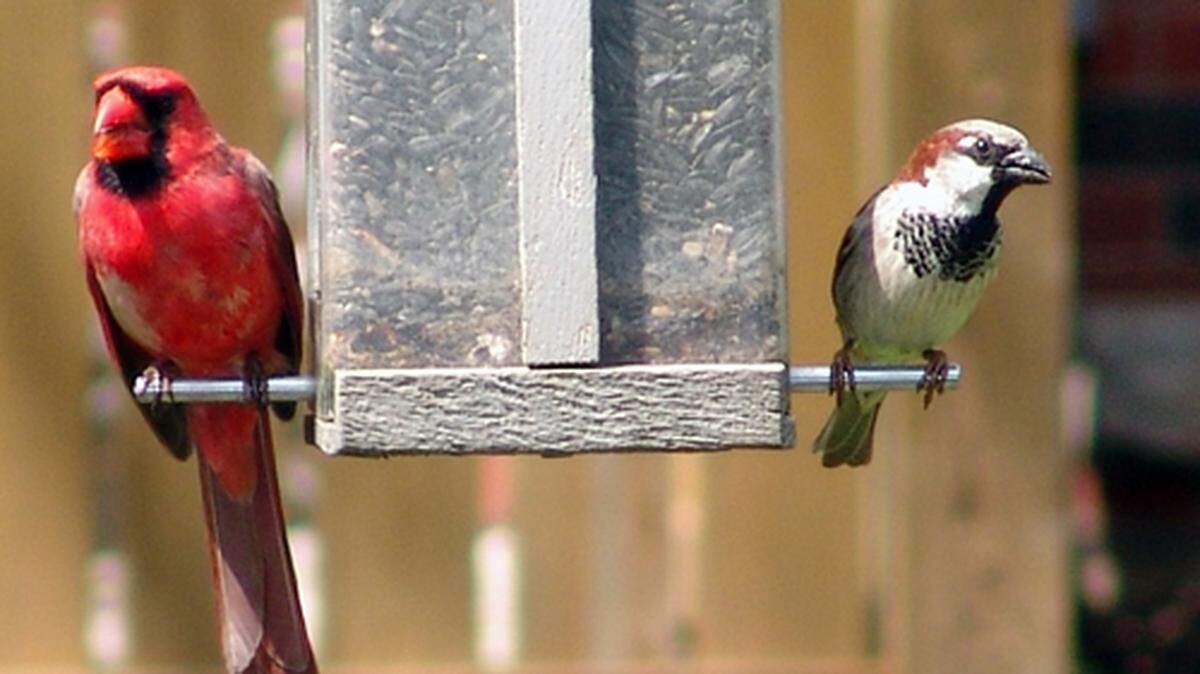
For many, gardening and bird feeding go hand in hand. While not an expert, I admit I enjoy attracting our feathered friends to the backyard. Like most people, I started by only feeding in the winter, but now I feed year-round.
Birds need a steady supply of food, water and shelter. Birds often struggle to find a food source in the winter months. Dry conditions can also impact the amount of native food available. Backyard bird feeding is one way we can help out.
There are many bird food mixes on the market, as various species prefer different grains. The seed with the most universal appeal to birds is the black oil sunflower seed. If you are new to bird feeding and want to get started, this is a place to start — it attracts the greatest diversity of birds to the feeder. Alternatively, if you feed with a mixture of seeds, make sure it is one of the main ingredients. White proso millet is the second most popular seed at the feeding stations.
As you become more interested in bird feeding, you may want to use several types of feeders and locations, each stocked with a different seed or grain. Here is a handy list of favorite food sources for birds.
▪ Black oil sunflower seeds — superior food for most species
▪ Black striped sunflower seeds — most species will use, preferred by titmice and blue jays.
▪ Gray striped sunflower seeds — not as preferred as the other types of sunflower seeds.
▪ White proso millet — favored by juncos, mourning doves and sparrows.
▪ Red proso millet — can be a substitute for white millet.
▪ Peanut kernels — eaten by many species including blue jays.
▪ Niger thistle seed — preferred by finches but also many other species.
▪ Cracked corn — not as desirable. May attract other non-invited guests.
▪ Suet, an animal fat mixture — for high energy birds such as woodpeckers, chickadees, titmice.
Many first-time bird feeders purchase less expensive mixes. A word of caution: These mixes most often contain a high amount of milo or grain sorghum, a BB-sized orange or white grain seed. No common backyard bird prefers these seeds. You will attract birds using this type of mix, but you will most likely experience more waste because the birds kick the milo out of the feeder searching for the more desirable seeds.
In my backyard feeders, I have started using more cracked sunflower seeds. The advantage of this seed is that the hull has been removed, reducing the trash around the feeder. The drawback of this seed is the cost, as it is more expensive.
I have two feeders. In the one closest to the house and located in a garden bed, I feed the sunflower chips. While in a more open area, I use a mixed feed which creates hull waste. Each feeder attracts different birds, as some species are perch feeders while others like to scavenge the ground for a meal. Whichever variety of feed you choose, you will be sure to enjoy the sights and sounds of birds in your garden.
Dennis Patton is a horticulture agent with Kansas State University Research and Extension. Have a question for him or other university extension experts? Email them to garden.help@jocogov.org.