
The three seasons: Here’s when to plant for spring, summer and fall veggie crops
There is nothing like the feeling of planting seeds and watching fresh, nutritious food grow up from the soil. You literally get to eat the fruits of your labor.
If you are planning a vegetable garden this year, consider planting in the spring, summer and fall seasons. This way, you can enjoy fresh from the garden produce through November.
Depending on the crop, the spring season starts in mid-March and continues through mid-April. Spring vegetables grow best under cooler days and nights. The heat of summer, arriving in June, signals the end of the spring harvest.
Vegetables suitable for spring planting are salad crops like lettuce, spinach, radishes, beets, carrots, peas and various greens. These crops are all planted by seed. Spring crops grown from a transplant or plant part include onions, potatoes, broccoli, cauliflower and cabbage.
Spring crops have a shorter period of growth before harvest. This is referred to as days to maturity found on the seed packets.
The spring season can be short with summer heat sometimes arriving in May. Those vegetables with faster maturing varieties tend to grow best with the wide range of spring temperatures we experience in our area.
The summer season in the vegetable garden includes crops that thrive in warmer soils and and longer days. The summer planting season begins shortly after spring planting. Summer vegetables can go into the garden in late April through May. Longer days and more intense sun warms the soil for quick seed germination and root development.
Cold soils delay the growth of summer vegetables. Planting earlier than recommended does not always lead to an earlier harvest and success. A late spring frost can damage these vegetables.
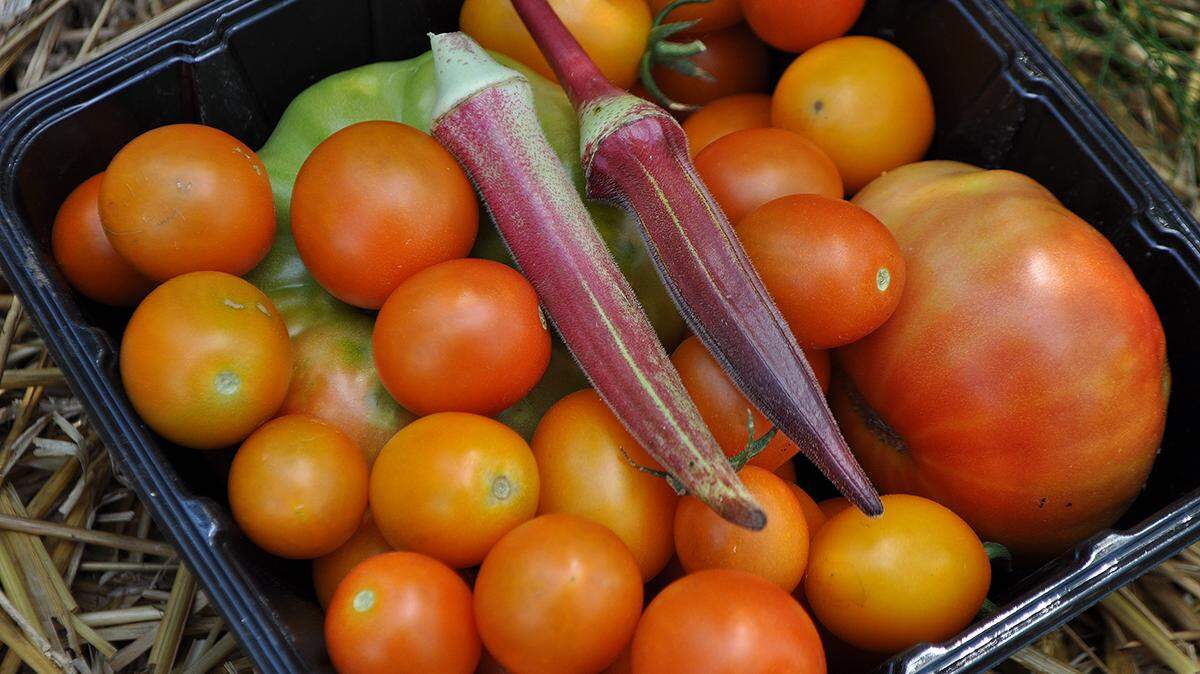
The prized vegetables of the summer season are tomatoes and peppers planted in early to mid-May. Other summer crops include cucumbers, melons, green beans, okra, summer and winter squash, sweet potatoes and sweet corn.
The summer season garden requires more attention. Provide the garden with adequate water and evenly moist soil to prevent stress on the plants.
Weeds can quickly multiply in June and July. If left uncontrolled, they will take over the garden. Mulching the soil for summer is recommended. A 2- to 3-inch layer of straw or shredded leaves suffocates germinating weeds, conserves moisture, and reduces soil temperatures for healthier root growth.
The fall season is often neglected. Fall planting starts in summer, with the first plantings beginning in late July wrapping up in August. Most of the spring crops listed previously can be planted again, extending the harvest season.
The challenge of fall is establishing the seeds in the heat of August. With timely watering, these seeds will flourish, and rewards await. Fall harvested vegetables can be more flavorful as they mature with warm soils and cooler temperatures.
Need a little assistance planning your three-season garden? Look no further than the Kansas Garden Guide. This K-State Extension reference has everything you need to know for success. Search Kansas Garden Guide on your computer for your free copy. Then you, too, can harvest fresh produce until the frost arrives in the fall.
Dennis Patton is a horticulture agent with Kansas State University Research and Extension. Have a question for him or other university extension experts? Email them to garden.help@jocogov.org.
This story was originally published March 31, 2021 at 5:00 AM.