
Give gardens a boost: Raised beds will pay off for many reasons, starting with soil
Nothing tastes as good as homegrown, fresh-picked fruits and vegetables. Last year millions of Americans planted backyard gardens for the first time, and projections show this trend will continue in 2021.
Growing food in a raised bed has been popular for decades. New gardeners now are discovering the advantages of planting using this method.
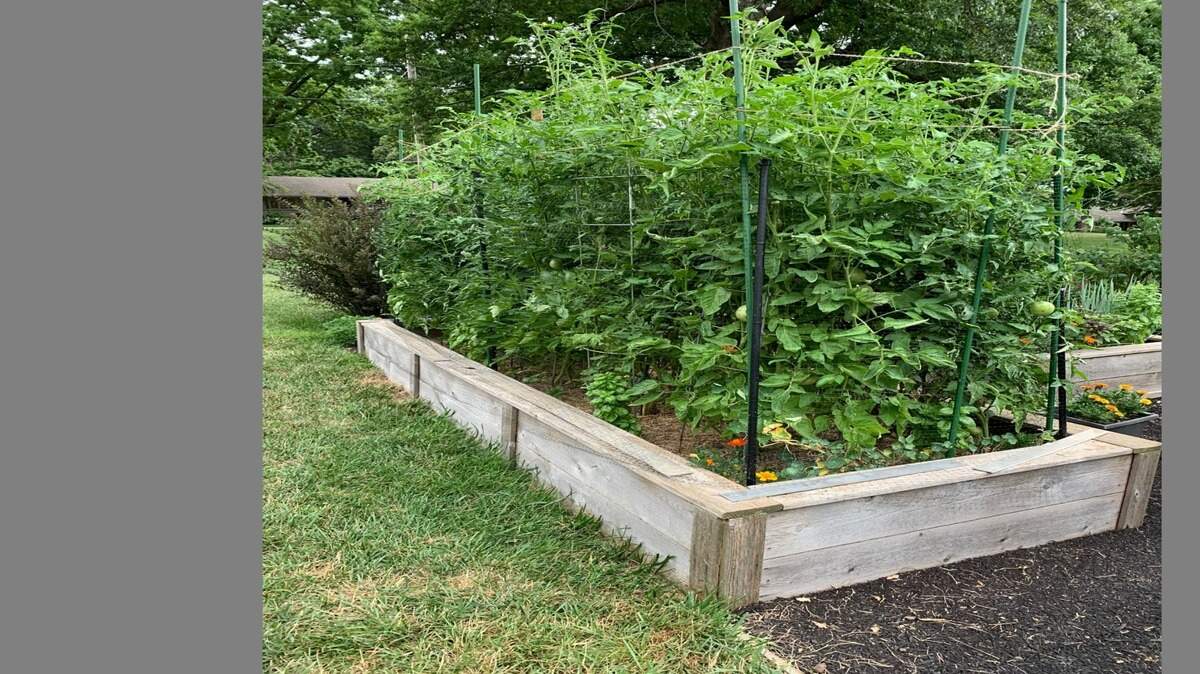
A raised bed is a freestanding structure, elevating the soil level from the existing grade. The frame supports the soil mass and is made from wood or other materials, such as concrete blocks or metal.
Constructing a frame from treated lumber or rot-resistant cedar is recommended. Untreated wood can be used, but it will rot and decay within a few years.
Dimensions of the bed vary and depend on a few factors. A good size width is usually 4 feet wide. This width allows gardeners to reach in from both sides, tending the garden without stepping into the bed and compacting the soil.
The length of the beds depends on the space and lumber purchased. The classic raised bed design is 4-by-8 feet. This construction requires three boards, two for the length and one cut in half for the ends. Secure the corners by screwing the wood together, or purchase metal supports to join the boards.
A significant advantage of a raised bed is the soil mix used to fill it. Local soils with high clay amounts lead to compacted and poorly drained soil conditions, impacting plant growth. Breaking through those clay clods takes some of the fun out of gardening. Raised bed soils are highly amended to provide excellent drainage and tilth, allowing for deep rooting and improved growth.
Purchase quality soil mixes from local topsoil firms. Bagged soils can be used, but it usually costs more. The best mixes contain equal parts of quality topsoil and organic matter, such as compost. Do not fill a raised bed with topsoil only.
Before filling, it is recommended to break up the existing soil at the bottom. This prevents a hardpan from developing when the enriched soil is simply placed on top. Spade or till the soil as deeply as possible.
Layer a few inches of the amended mix on top and work into the existing soil. Then backfill the rest of the bed with the compost-rich soil. This simple tip increases the rooting depth of the bed for better drainage and growth.
In addition to improved drainage with good soil, raided beds offer other advantages. The soil heats up quickly in the spring, aiding in growth. The beds are planted more densely, increasing yields and often fewer issues with weeds.
There are a few disadvantages of raised beds. The soil tends to dry out more rapidly, so be sure to water as needed. The cost of construction and materials is a factor to take into consideration as well.
Consider constructing raised beds if you plan to grow something delicious in your backyard. Seasoned gardeners find they make gardening easier and more rewarding.
Dennis Patton is a horticulture agent with Kansas State University Research and Extension. Have a question for him or other university extension experts? Email them to garden.help@jocogov.org.