
Want to be kind to the earth? Start by planting natives like milkweed, cone flower
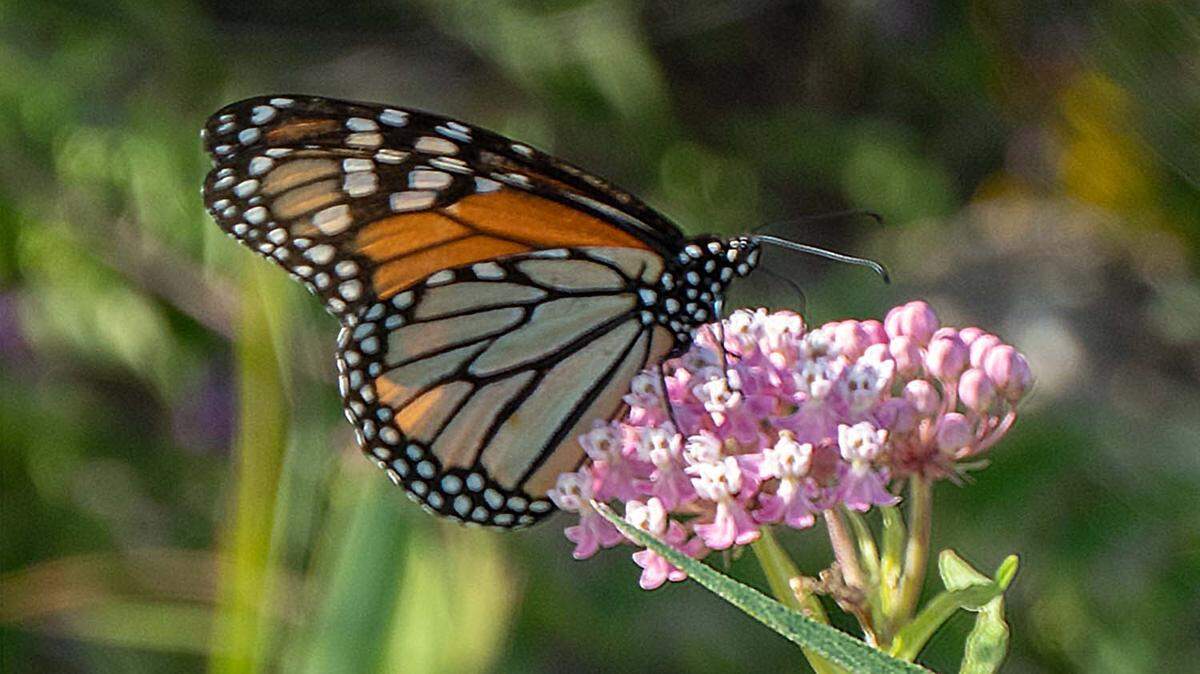
The interest in purchasing native plants for the garden continues to grow. Research shows native plants enhance and support populations of beneficial insects and birds. These plants and wildlife have developed codependent relationships over time but need our support to thrive.
Research estimates by planting 30% of the trees, shrubs and flowers in our landscapes as natives, the number of beneficial insects would grow. These insects are the basis of the food web to support all life, including many foods we eat.
If each of us planted natives, we would develop an interconnected patchwork quilt of plantings and increase the foraging capacities. As these plantings increase, there must also be a decrease in pesticides that harm the good insects as well as those that feed on our plants.
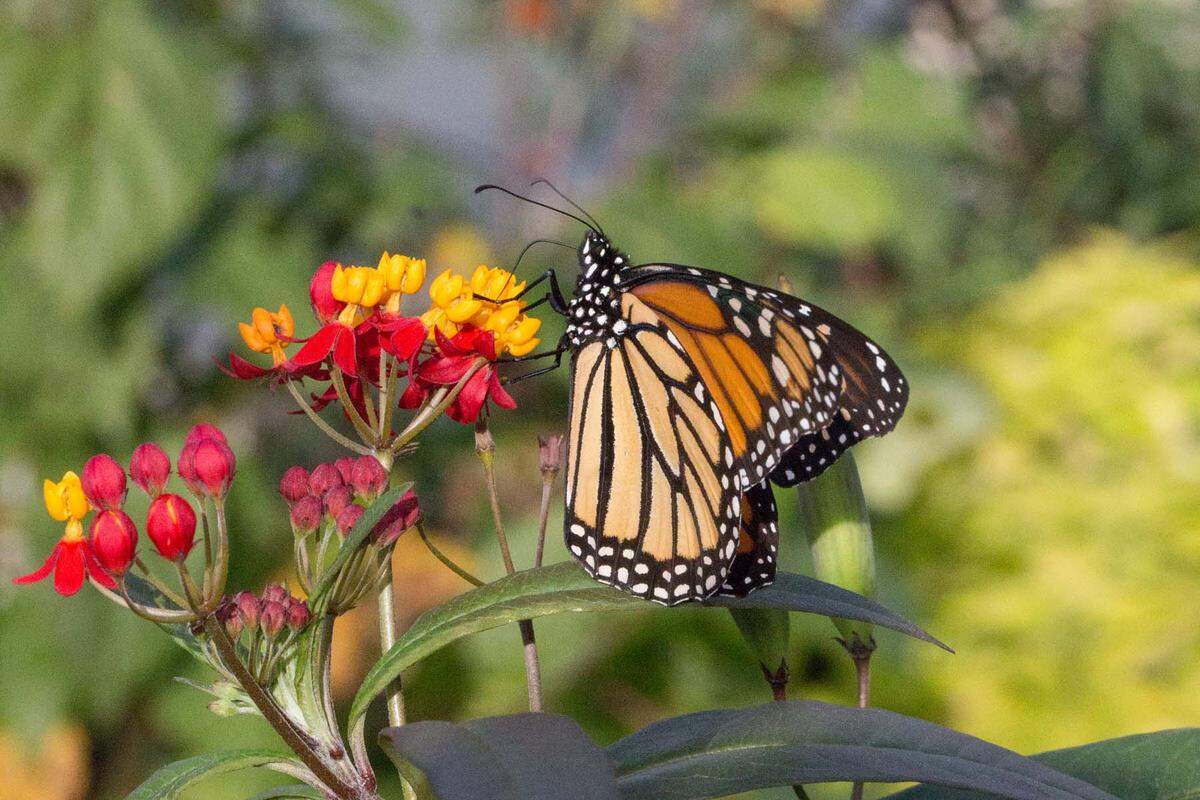
We must become more tolerant of our plant’s imperfections. Remember, all insects are a potential food source for birds and other species, so even the bad ones are good.
Here is just one example of how a native plant can help. Native oaks are host to more than 200 species, which forage on its foliage, nectar and fruits. The exotic Zelkova, a non-native tree, is host to no native species. In other words, it provides no benefit to the local food web.
There are a few simple ways to help create this patchwork of gardens. Gardeners simply need to diversify their plantings. No one is saying you must remove your nonnative plants. Hostas and other Asian species can still grace the garden. The objective is to expand the variety, adding more natives into the mix.
As you plant this spring, include more natives on the planting list. Remember, research indicates the goal is 30% natives in our landscapes. Natives are not weeds. Correctly maintained, these prized plants can add beauty to the garden.
Don’t have a garden to diversify? Start one, as every little bit helps. Even a 10-by-10-foot area creates another piece to the patchwork quilt. Start small by tucking your native garden in an unused corner of the yard or incorporate the natives into existing landscape beds.
Starting a new bed does take a little work. It will require the removal of our nonnative turf of bluegrass and tall fescue. Removal can be done with a sod cutter, shaded out by heavy black plastic, or a thick mulch layer to suffocate the grass.
Native plants are adaptable but full sun locations are best for insects and pollinators. Butterflies prefer to bask in the warmth of the sunlight instead of a cool, shady area.
Not long ago, native plants were difficult to find in stores. Now native plant pop-up sales occur around the city and garden centers have expanded their selection.
This spring consider adding more natives. You will be glad you did, knowing you added a piece to nature’s patchwork quilt.
Dennis Patton is a horticulture agent with Kansas State University Research and Extension. Have a question for him or other university extension experts? Email them to garden.help@jocogov.org.