
When it comes to controlling these creatures, don’t make mountains out of molehills
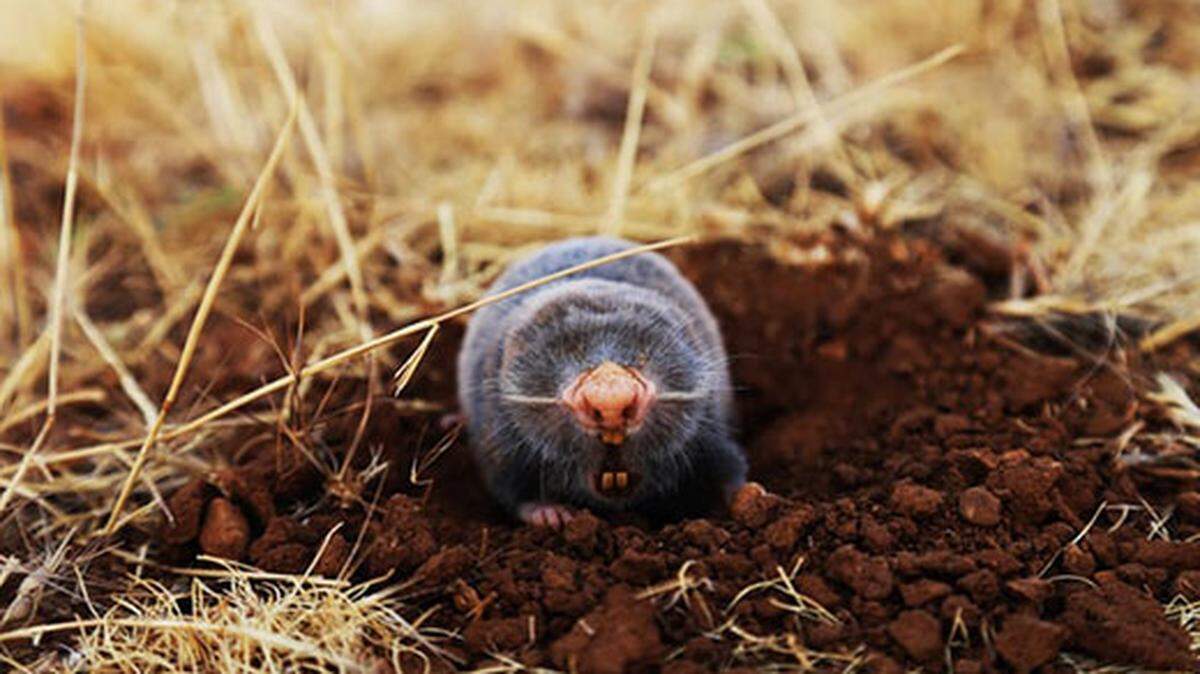
Making a mountain out of a molehill is a common phrase meaning to blow out of portion. When it comes to actual moles making molehills, it’s easy to escalate the situation and declare war.
Moles spend their life underground with two objectives; eating and reproducing. Seldom seen by humans, they are brownish-gray with large paddle-like feet and prominent toenails. These feet allow them to dig through the soil creating tunnels.
Most commonly found in woodlands and grasslands, moles make their way into urban areas searching for food. Their diet consists of ground-dwelling insects. Earthworms and white grubs are their favorite meal. Moles seldom take a rest, feeding both day and night.
As they move through the soil creating tunnels, the soil above ground raises up. Moles create several types of tunnels, building their own highway system. Trailways would be considered the major roads. Trailways are longer, straighter and reused in search of food.
Moles create secondary trails, or streets, which are shorter, winding and often only used once after devouring the insects. A molehill is created when moles dig deeper into the ground, pushing out the soil into a rounded mound. The earth is removed to form nesting cavities and provide a place to reproduce.
Molehills appear in late winter or early spring during mating season. Offspring of two to five newborns arrive in March and April and quickly leave the nest searching for food. In a natural area, mole damage goes unnoticed but can leave a destructive path in the suburban lawn.
Raised tunnels cause damage by cutting off roots leading to dieback, not to mention the uneven soil. Tolerating the havoc is difficult and many people look for ways to rid the area of moles.
Knowing how to effectively rid the lawn of moles is a challenge as there is much misinformation about effective controls. Unfortunately, proposed solutions result in a waste of time and money.
Many people try to rid the moles by applying grub controls since white grubs are the main food source. While this may be a tool, it does not solve the problem. Research has found in areas with high mole pressure, controlling the grubs can increase tunneling activity as the moles have to cover more ground to find food. Only apply grub control products if you have a white grub issue, not for mole control.
There are many home remedies for moles. These range from putting mothballs, gum or even car exhaust into the tunnels. These are not effective. Poison grain baits sold on the market don’t work as moles eat insects, not grain. Poison grains are for gopher control. Ultrasound or vibrating devices are also an ineffective solution.
The recommended control method is to set traps in the soil. The ideal location to set the trap is in the longer straighter trail ways. There is a knack to getting it right when setting traps but with a little practice and patience, they are effective. Traps are available at garden centers or hardware stores.
When it comes to moles it is all about knowing their habits and how best to control.
Dennis Patton is a horticulture agent with Kansas State University Research and Extension. Have a question for him or other university extension experts? Email them to garden.help@jocogov.org.