
Chew on this: Keeping those energetic squirrels from doing their worst is challenging
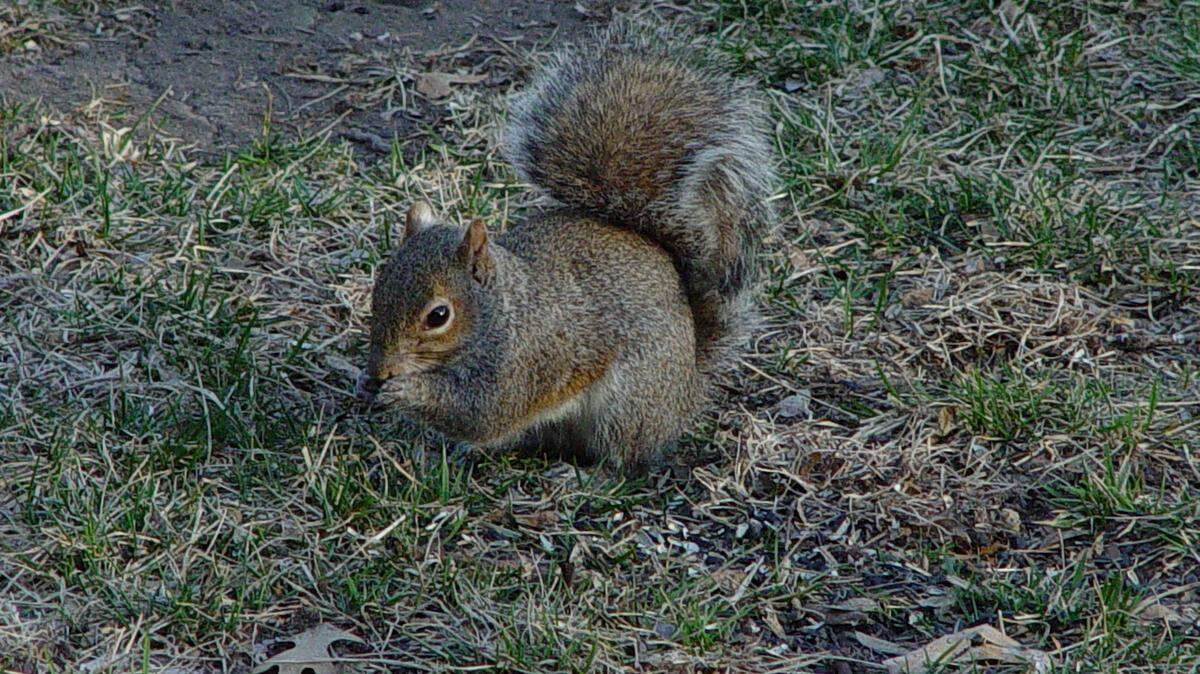
Do you find squirrels cute and fun to watch? Or do you consider squirrels detrimental pests that cause havoc to your property? Maybe you are somewhere in between with this member of the rodent family, sometimes referred to as a tree rat.
The common squirrel species in the Kansas City area is the gray squirrel. They are less than 20 inches long, weigh less than 2 pounds, and are gray with white underparts and white-tipped tails.
Fox squirrels can sometimes be found in our area, These are slightly larger and brownish, with a red-orange color like a red fox. No matter the species, their habits are similar.
Frolicking squirrels can be entertaining to watch. Squirrels in rural areas cause little damage. However, in an urban setting with a high population, it makes co-existing difficult when their behavior crosses a line. Damage can occur to the home, trees and bird feeders.
Squirrel behavior will not change, so it is best to figure out how to live with them and how to reduce their damage.
The most significant damage takes place when they find a way into the home. Squirrels chew on wooden siding or enter through chimneys and small holes.
Once in an attic, their curiosity leads to chewing on electrical wires, potentially causing a fire. Occasionally, they find an opening and enter the household.
Preventing squirrels from getting into the home is the primary objective. They often enter through a nearby tree branch or wires leading to the house. Prune trees back at least 6 feet from the home to reduce their access to the roof.
Wires can be fitted with a 2-foot piece of PVC pipe cut to encircle the wire. As the squirrel travels the line, it spins, causing them to lose their grip. Before attaching any plastic pipe to an electrical wire, contact your utility company.
Squirrels have been known to damage tree bark. Bark stripping may be the most detrimental as this disrupts water and nutrient movement through the tree. Preventing damage is difficult. Consider covering the area with metal sheeting or a mesh wire if you have very persistent squirrels.
Nipping off pencil sized twigs is also common. This type of feeding is hard to control. While it is upsetting to see piles of twigs around the tree, these are secondary limbs and rarely cause extensive damage.
Squirrels love bird feeders, as nuts and seeds are part of their diet. There are several so-called squirrel-proof feeders, baffles and other devices available on the market. Reduce feeding by positioning the feeder 6 to 8 feet away from access points, making it difficult for them to jump or climb onto the feeder.
Trapping, including kill or live traps, is a control option. Many people opt to live-trap the squirrels, but the issue becomes what to do with the trapped animal. Relocating it to other’s property is illegal and usually results in a cruel death.
Once they are relocated away from their familiar surroundings, they become confused without knowing access to food, water, and shelter. They starve or become prey. If you live trap, you should be prepared to put the animal down as it’s the only humane option.
Since most of us cannot kill an animal no matter how much it irritates us, the best option may be to find a way to co-exist. Learn to enjoy their play and tolerate their bad habits.
Dennis Patton is a horticulture agent with Kansas State University Research and Extension. Have a question for him or other university extension experts? Email them to garden.help@jocogov.org.