
Houseplants loving the great outdoors? Cool weather means it’s time to bring them in
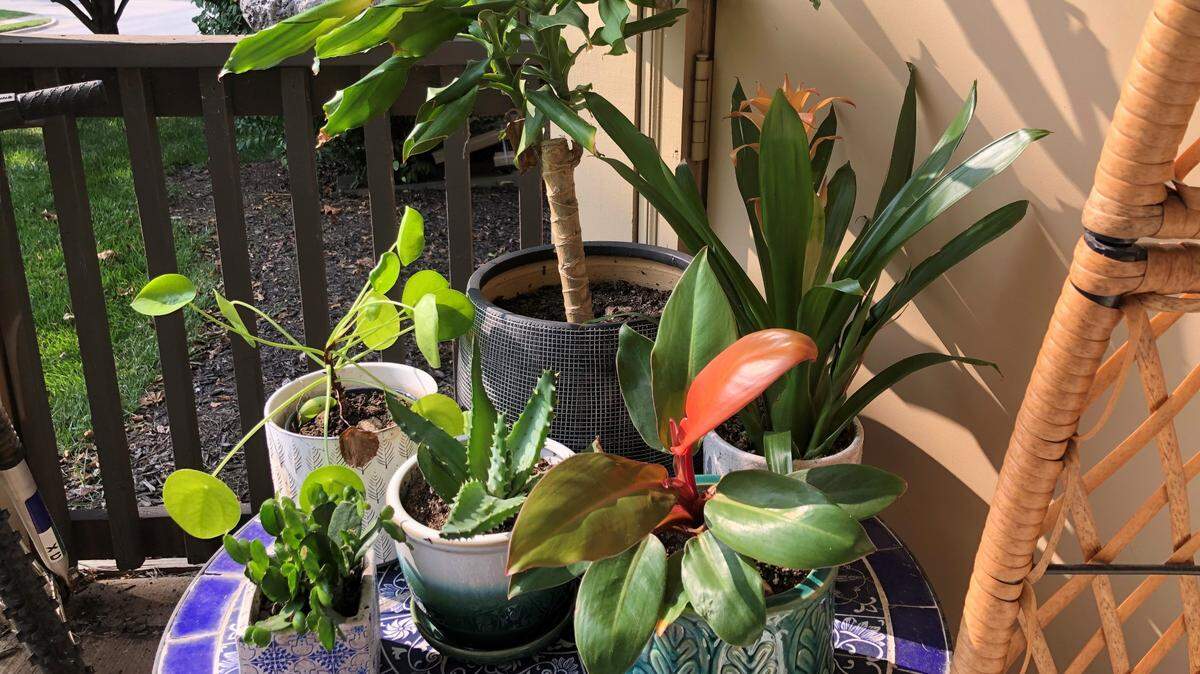
The crisp, autumn nights are a breath of fresh air after the summer heat. Change is in the air and with its arrival comes a signal to bring tropical houseplants inside for the winter.
Houseplants are frequently moved outdoors during the summer months to take advantage of bright, sunny conditions. The increased light results in robust growth and enhanced beauty.
Many houseplants are native to tropical climates where wide swings in temperature are less frequent. Rarely does the temperatures drop below 60 degrees in this climate.
Once the temperatures dip into the low 60s or high 50s for evening lows, it’s time to bring the plants indoors. The cooler temperatures will result in yellowing and dropping of foliage.
Before bringing the plants inside, take a few minutes to prevent stowaways from also spending the winter in your home. Creatures that hitch a ride indoors include slugs, roly-polies, spiders, aphids and even grasshoppers in the form of eggs.
The best way to clean the plant is with water. Hose off the foliage with a strong spray of water. Spray the upper and lower surface of the leaves. The water droplets dislodge any pests and remove dust from the foliage.
The container can also be a carrier. Remove debris or pests nestled on the surface of the soil. Wipe the pot down with a rag. Be sure to get up and under ridges and curves. This is where spiders and egg cases are likely to hide.
The pot’s bottom, often set on the patio or saucer, is a hiding place for slugs and roly-polies. Dislodging these pests outdoors reduces the likelihood of them crawling away indoors.
Finding the right location in your home can be a challenge. Even the shadiest spot outside has stronger light levels than a sunny window indoors. The bright summer light drives strong plant growth.
Once plants return to lower light, they can start to decline. Low light levels cause the plant to use its stored food to support growth. As this supply depletes, the plant begins to slough off older, less productive leaves. The result is yellowing leaves as the plant adjusts to the new conditions.
Acclimation does not happen immediately. It may take a couple of months for the leaf drop to occur and is a natural process in the plant. This issue can be reduced by providing as much sunlight as possible, keeping soil evenly moist or slightly on the dry side and, most of all, avoiding fertilization.
Yellowing leaves might make you think more fertilizer is the answer but fertilizing forces more growth under lower light levels. This results in even more leaf drop as the plant puts energy into producing new foliage at the expense of the older leaves. Do not fertilize any houseplants in the fall or winter.
Houseplants have gained in popularity through the ages for good reasons. They bring life to a room and lift your spirits. Follow these suggestions to help the plants survive the winter inside.
Dennis Patton is a horticulture agent with Kansas State University Research and Extension. Have a question for him or other university extension experts? Email them to garden.help@jocogov.org.