
Why no blooms on colorful bigleaf hydrangeas? It’s a swing and miss situation
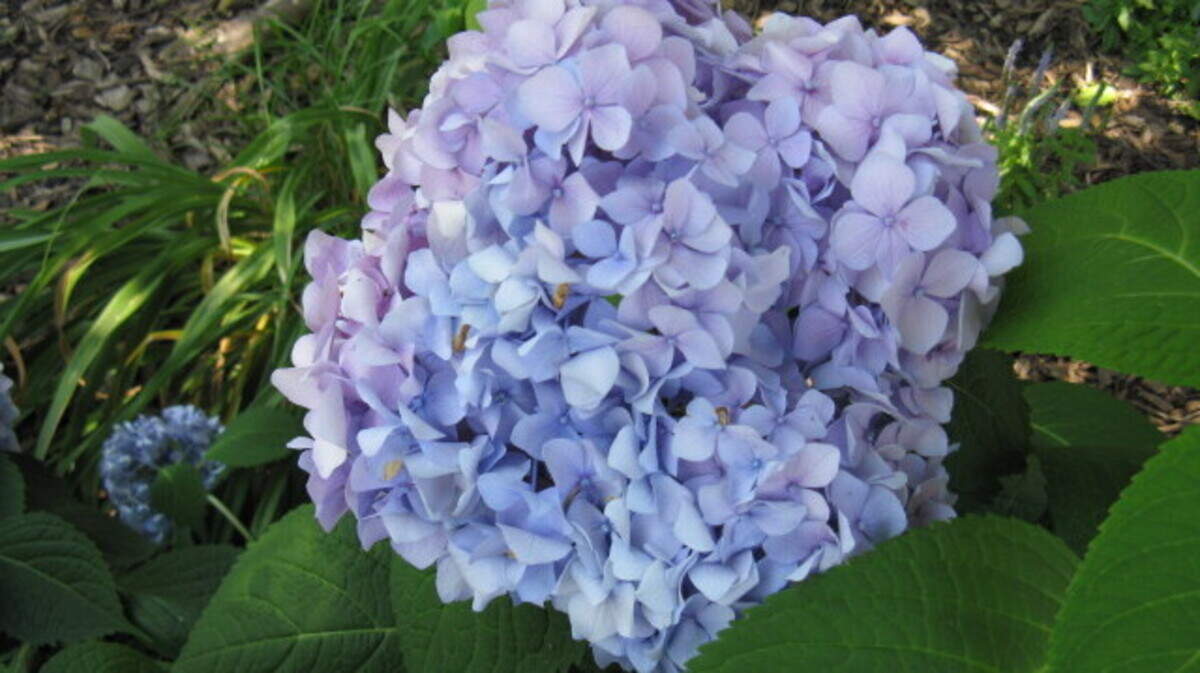
A commonly heard question at our Extension gardening hotline is “Why didn’t my hydrangea bloom?” People want the big, bold, pink and blue blooms frequently seen in photographs. The advertisements lead us to believe they are possible with little or no effort.
Disappointment sets in when spring arrives and instead of a bush bursting with color, the shrub is filled with dead twigs or just green leaves. Gardeners across the metro are left wondering what happened.
The answer is simple. The lack of flowers is attributed to the ever-changing Kansas City weather. They don’t tolerate significant temperature changes typical in early fall, winter or late spring.
There are five species of hydrangeas grown in our area. I have written before on several of those species, including oakleaf, panicle and smooth hydrangeas.
Lack of flowering is most associated with Hydrangea macrophylla, or the common named bigleaf hydrangeas. Many know this plant by the most famous variety on the market, Endless Summer.
Hydrangea macrophylla is prized for its big showy flowers in shades of pink or blue, depending on the soil pH. Due to the higher pH soil in the Kansas City area, they usually bloom pink unless the pH has been lowered using sulfur.
Bigleaf hydrangea will produce flower buds in the fall for next year on what is referred to as old wood. Over the winter and into spring, the development of the bud continues into what should be a burst of color in May.
Unfortunately, the flower bud can become damaged and killed by drastic temperature changes in winter. The plant, mainly the root system, is winter hardy, but the flower buds and branches are not as tolerant of rapidly changing fluctuations in temperatures.
This result is dead flower buds and branches. Come spring, the once vigorous shrub is often winter-killed to the ground, leaving us with another season of disappointment.
Newer varieties of bigleaf hydrangeas are on the market. So-called “Endless Summer” types promise not only spring flowers but the ability to rebloom in the summer. Again, we are usually left disappointed.
The late summer blooms often do not materialize and if they do, it is usually less than spectacular. Our hot, dry summers are not always conducive to flower bud development.
Genetically these plants are still programmed to bloom best on the old wood. Summer blooms develop best when summer days and nights are cooler. Let me also mention this species is a water hog and needs ample moisture.
What are gardeners to do if they want these showy blooms? Not much. The problem is genetics. Breeders haven’t quite found the genetic combination that improves the winter hardiness of the flower buds and tolerates rapid swings in Midwest winters.
With the plethora of macrophylla varieties found at the garden centers, none is superior over another when it comes to dependable spring or summer blooms. Either give up growing bigleaf hydrangeas or stay optimistic and live by the old saying, “hope springs eternal.”
Here’s hoping next spring the landscape will come alive and the promised hydrangea blooms will fill the garden.
Dennis Patton is a horticulture agent with Kansas State University Research and Extension. Have a question for him or other university extension experts? Email them to garden.help@jocogov.org.