
Is your grass thirsty? Solving the lawn watering puzzle will lead to strong root system
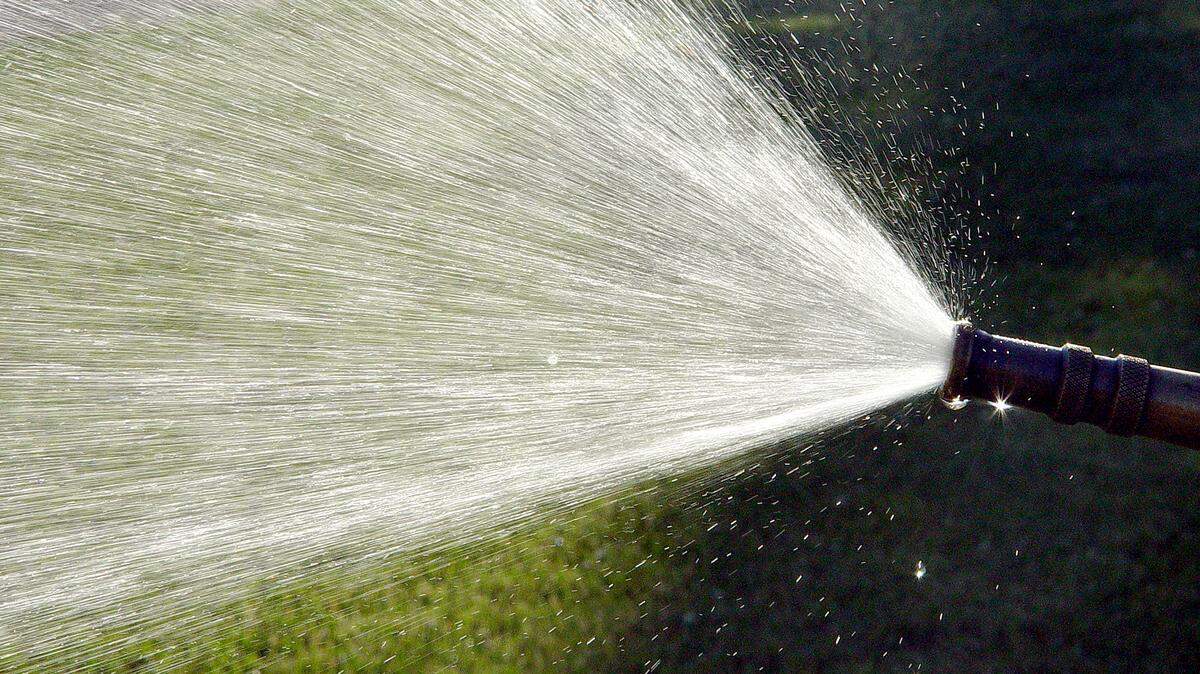
Now that summer has arrived, rainfall is spotty in Kansas City, which means it’s time to start watering the lawn and garden. People frequently ask me how much water is needed to properly water a lawn. The question usually starts out with “I water for about 15 minutes a couple of times a week. Is that enough?”
While people are expecting a simple yes or no, they are often disappointed when I ask more questions than they can answer. Watering is not based on a length of time, but the amount of water applied over a period of time.
Volume versus time
Time is simply how long it takes for a volume of water to be applied. The amount of water coming out of a hose or sprinkler varies greatly. The pressure or rate of flow from the faucet varies from the water source.
Another issue with time is sprinkler types. All have different flow rates under pressure. In-ground sprinkler heads measure the rate of flow in gallons per minute. This doesn’t tell us how much water is reaching the soil in a given amount of time.
Sprinklers attached to a hose are a guessing game. Until we know how much water is flowing out of the system, whether in-ground sprinkler system or dragging a hose around, the amount of time it runs doesn’t tell us how much water is applied.
Measure the water volume
The only way to water by the length of time is to know how much water your system applies. This is easy to determine but will take a little effort. Set several rain gauges or straight-sided cans in the sprinkler pattern and measure the output for a given amount of time. Measure the amount of water falling into the gauges in 15, 30, 45 or 60 minutes.
Once this test is performed, you know watering for 15 minutes applies an eighth inch, quarter-inch, half-inch, etc. of water. This determines the amount of time a sprinkler must run to provide enough water for a healthy lawn.
How much is enough?
The next piece of the lawn watering puzzle is how much water does it take to remain green. Bluegrass and tall fescue lawns require 1 inch of water per week under cooler summer temperatures and up to 1 1/2 inches during the hottest and driest weeks of summer.
When you combine this fact with the flow rate, you can then build a watering routine. Keep in mind that our clay soils can only absorb two-tenths of an inch of water in one hour. This is why many irrigation systems apply water in two to three applications per week.
Here is an example: Running your sprinkler system for 20 minutes applies about 1/2 inch of water. Running three days a week hits the target amount. Unfortunately, for those hose draggers like me, we do not have that much time, so more water is applied at one time, reducing frequency.
I know it can sound complicated, but once you determine the flow rate from your sprinkler, it will take the guesswork out of lawn watering. This knowledge will lead to a healthy root system that can withstand the heat of our Kansas City summers.
Dennis Patton is a horticulture agent with Kansas State University Research and Extension. Have a question for him or other university extension experts? Email them to garden.help@jocogov.org.