Dog grooming is a booming industry with very little oversight. What to know about vetting your groomer
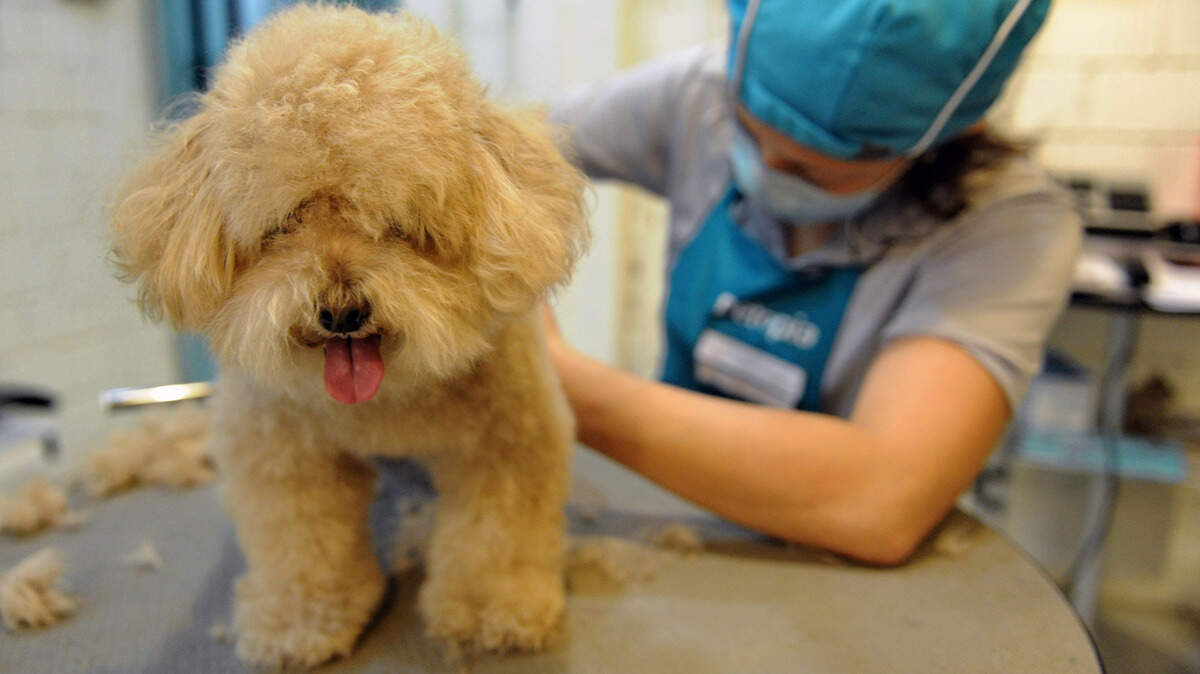
The dog grooming industry is booming, with new businesses popping up everywhere, but the rules protecting your pet haven’t kept pace. Mobile dog grooming, the fastest-growing corner of the industry, is expanding at 12-15% annually compared with 4-5% for traditional salons, according to PetGroomerStack. That surge is happening inside a largely unregulated market, where anyone can hang a shingle and start handling other people’s pets.
For families weighing whether to book a mobile dog wash & grooming appointment or drop their pup at a salon, the stakes are real. High-profile cases of injury and death continue to surface, and advocates say oversight has not caught up to demand.
No state requires a dog groomer to be licensed
Unlike veterinarians or cosmetologists, pet groomers in the U.S. don’t need a professional license to start working.
Connecticut is the only state that requires both grooming facilities and individuals working in them to be licensed through its Department of Agriculture. Colorado requires facility licensing through the Pet Animal Care and Facilities Act but doesn’t mandate individual groomer credentials.
Every other state has no formal requirements at all.
“A lot of people building these companies have never groomed a cat or dog in their life. And when that happens, the animals are the ones who end up paying the price,” Laura Ventura, founder of Pawz & All, said in a YouTube video.
Failed attempts to regulate dog grooming
New Jersey introduced Bijou’s Law in 2018, named after a Shih Tzu that died after a routine grooming session in 2011. The bill would have established training and oversight standards for the industry.
“People take their dog to the groomers with the reasonable expectation that their pets will be treated properly and returned to them clean and healthy, and not in a box,” former State Sen. Kip Bateman said, per My Central Jersey.
The bill has been dead since January 2020. No state has successfully passed similar legislation since.
The consequences of an unregulated dog grooming industry
Without oversight, incidents continue. In January 2026, a Texas dog groomer was charged with a third-degree felony after her negligence led to the death of a 5-year-old goldendoodle, per KTRK. PETA reportedly receives complaints of grooming abuse, accidents and malfunctions on a weekly basis.
“Certainly the grooming industry needs better oversight and there should be licensure that’s required and education,” PETA’s Kristin Rickman told Fox 5. “If folks are concerned about that, they should certainly reach out to their lawmakers and ask for legislation to be introduced that would hold groomers accountable.”
Why mobile dog wash & grooming may be a safer option
Rickman recommends learning to groom your own dog when possible. But for owners who can’t, mobile dog grooming offers a key advantage: visibility.
“The next best possibility would be to have a mobile grooming service that will come do house calls and you can have your animal groomed in your house,” Rickman told Fox 5. “It’s very important to always stay with your animal while they’re being groomed or having any service performed.”
Mobile dog wash & grooming services let you observe how your dog is handled in real time. That level of transparency simply isn’t available at most traditional salons.
Certifications and training to look for in a dog groomer
Certifications in the industry exist but are entirely voluntary, and a membership badge on a website doesn’t guarantee anyone has passed an exam. Some organizations allow paid members who have never been tested, meaning a groomer can display an organizational logo without any verified skills behind it. When you’re evaluating a dog groomer, ask specifically which credentials they hold and whether they completed a proctored exam.
Here are the most prominent credentials to ask about:
- NDGAA Certified Master Groomer, the most established credential, requiring a minimum of two years of experience plus written and timed practical exams on multiple breed types.
- AKC Professional Grooming Credential (PGC), the first standardized, third-party proctored exam in the U.S., launched through the NDGAA. Based on six educational domains and eight core objectives.
- IPG Certified Professional Groomer (CPG). IPG was the first association to offer a Safety Certification track in 2014, covering handling, sanitation and safety protocols specifically.
Also ask about experience, including how long they’ve been grooming professionally, how many dogs they handle per day, and whether they’ve worked with your dog’s breed. Doodles, double-coated breeds and brachycephalic (flat-faced) dogs each carry distinct handling and safety considerations. Experience with anxious, senior or medically fragile animals matters most, because that’s where undertrained groomers are most likely to cause harm.
How to vet a mobile dog grooming service in your area
Once you’ve confirmed credentials, dig into the day-to-day operation. Reviews, equipment condition and how the groomer interacts with your dog reveal more than a certificate on the wall. A careful vetting process before your first appointment can prevent a heartbreaking outcome later, and the best mobile dog grooming providers welcome the scrutiny.
Check reviews carefully. Look at Google, Yelp and Nextdoor for patterns rather than star ratings alone. Consistent mentions of gentleness, clear communication and how the dog behaved afterward are strong positive signals. Referrals from friends and family carry extra weight. Red flag, a business with no online presence, very few reviews or reviews that all appeared within a short window.
Inspect the vehicle. Ask for a tour of the van before the first appointment, and a professional should welcome it. Look for a clean, organized workspace, non-slip surfaces on the grooming table and tub, functioning ventilation and climate control, sanitized tools between appointments, a fresh and waste water tank system, and adequate lighting. Temperature control matters, especially in warmer climates. Red flag, a groomer who won’t show you the van, or a van that’s visibly dirty or cluttered.
Watch the animal bond. Pay attention to how the groomer greets your dog. Do they let the dog approach on its own terms, or immediately grab and restrain? A strong groomer will ask about your dog’s temperament, anxiety triggers, medical history and behavioral quirks before the first appointment. A pre-groom consultation or intake form is a strong positive signal. Red flag, a groomer who doesn’t ask a single question about your dog’s history or behavior.
Confirm safety protocols. Ask whether the groomer carries a pet first aid kit and has first aid training. Ask about their protocol if a dog is injured during grooming, even a minor nick, and expect a clear process for communicating incidents to the owner. Ask about restraint systems, since grooming loops and harnesses should secure the animal without causing stress or restricting breathing. Proper restraints prevent falls from the table, one of the most common grooming injuries. Red flag, no first aid kit, no emergency protocol or dismissiveness when asked about safety.
Until meaningful regulation catches up to the industry’s growth, the burden falls on owners to ask hard questions before handing over the leash.
If you’d like to learn more about mobile dog grooming and what to expect at your first (or next) appointment, click here.
This article was created by content specialists using various tools, including AI.