The mobile dog grooming industry is on track to nearly double by 2034. Is it worth the premium price?
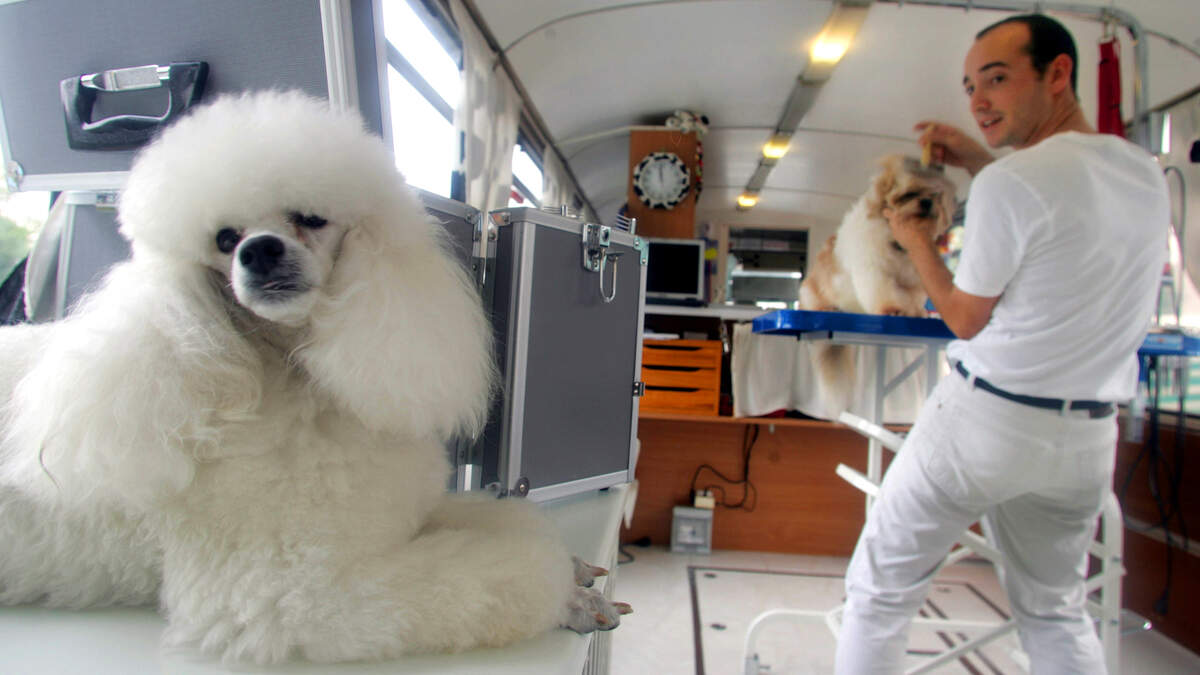
If you’ve ever wrestled a reluctant dog into the car, sat in a grooming salon parking lot waiting for a callback and then repeated the whole process on the way home, you already understand the appeal of mobile dog grooming.
A professional groomer pulls up to your house, handles everything inside a fully equipped van and brings your dog back to the door when the session is done. No car ride, no kennel wait, no rearranging your afternoon.
The tradeoff is cost. Mobile appointments typically run 15 to 40% above what a brick-and-mortar salon charges, which raises an obvious question: is it actually worth it? That depends on your dog, your schedule and what you’re trying to solve for. Here are the answers to the questions owners ask most.
What is mobile dog grooming?
Mobile dog grooming is a professional grooming service performed inside a specially outfitted van that travels to the client’s location. The groomer parks in your driveway or at your curb, brings your dog into the vehicle and handles the full appointment on-site.
Today’s mobile dog salon rigs are built with hot water systems, climate-controlled interiors, hydraulic tubs, professional grooming tables and high-velocity dryers. The equipment matches what you’d find in a well-run storefront shop.
What services are included in a mobile grooming session?
A typical mobile dog grooming service appointment covers everything a standard salon visit does. That includes a bath with breed-appropriate shampoo, a blow-dry and brush-out, a haircut or trim based on breed and preference, nail clipping and filing, ear cleaning and eye area cleaning. Anal gland expression is available upon request.
Sessions generally run 60 to 90 minutes depending on the dog’s size, coat type and condition. When the groomer is finished, your dog comes back to the door clean and done.
Why is regular grooming important for dogs?
Grooming is far more than a cosmetic routine. It prevents painful matting, helps spot early warning signs of health issues like skin infections or lumps and controls parasites such as fleas.
“Grooming is as important as bringing your pet to the vet for regular checkups,” says Lauren Lakritz, an Animal Care Technician in the ASPCA’s Animal Recovery Center. “It’s maintaining the well-being of your animal.”
How much does mobile dog grooming cost?
In 2026, a full mobile dog wash & grooming appointment ranges from about $65 to over $180. Pricing depends primarily on size, coat type and condition.
These prices assume a dog in reasonable coat shape on a regular 4- to 8-week schedule. Matting surcharges can add $15 to $50. Double-coated and curly breeds take longer and use more product. And in major metro areas like New York and San Francisco, expect pricing to run 20 to 40% above national averages.
Why does mobile grooming cost more than a salon?
Mobile pet grooming carries higher overhead. Operators cover fuel, vehicle maintenance, insurance for a rolling workspace and the cost of carrying their own water supply. They also serve fewer dogs per day because of travel time between appointments. That 15 to 40% premium reflects those added expenses, along with the convenience and one-on-one attention the format provides.
Why is the demand for mobile dog groomers growing?
A few trends are reinforcing each other. Dog ownership expanded to 53% of U.S. households in 2025, up from 51% the year before, adding about 4 million new dog-owning homes, per the APPA. U.S. pet industry spending reached $158 billion that same year and is projected to hit $165 billion in 2026. Most of those new households are dual-income with limited free time.
Owners are also becoming more aware of how stressful conventional grooming can be for dogs. Research has found that 84% of dogs display fear and anxiety in situations similar to salon visits. The combination of rising demand, tighter schedules and growing sensitivity to pet welfare is pushing more people toward mobile options.
Which dogs benefit most from mobile grooming?
Dogs that struggle with the traditional salon experience gain the most. That includes dogs that panic during car rides, shake in unfamiliar environments or have a history of stress-related reactions at the groomer.
Senior dogs with arthritis or chronic pain also benefit because mobile service spares them the physical strain of travel. Reactive dogs are another strong fit. The ASPCA reports that as many as 60 to 70% of pet dogs bark threateningly at strangers or behave unfriendly around them, and a private van session removes that stimulus entirely.
Puppies getting their first grooming experience, large breeds that are difficult to transport and dogs in multi-pet households where coordinating salon logistics is a headache all stand to gain as well.
When is mobile grooming not worth the extra cost?
The premium doesn’t deliver much added value if your dog genuinely enjoys salon visits, is comfortable with car rides and has built a relationship with a regular groomer. Owners who live close to a quality shop, have open schedules and don’t mind handling drop-offs and pickups may find the traditional route just as effective at a lower price.
How big is the mobile pet care market?
The global mobile pet care market was valued at $0.86 billion in 2025 and is projected to grow to $1.38 billion by 2034, according to Fortune Business Insights. Growth is being fueled by subscription-based grooming plans, expanding franchise networks and the continued shift toward treating pet care as a wellness investment.
One major question still looms over the industry: regulation. No U.S. state currently mandates a license for dog grooming. As the market scales and visibility increases, legislative frameworks are likely to follow.
This article was created by content specialists using various tools, including AI.