The backyard ideas for dogs that vets are just starting to recommend for calmer, healthier pets
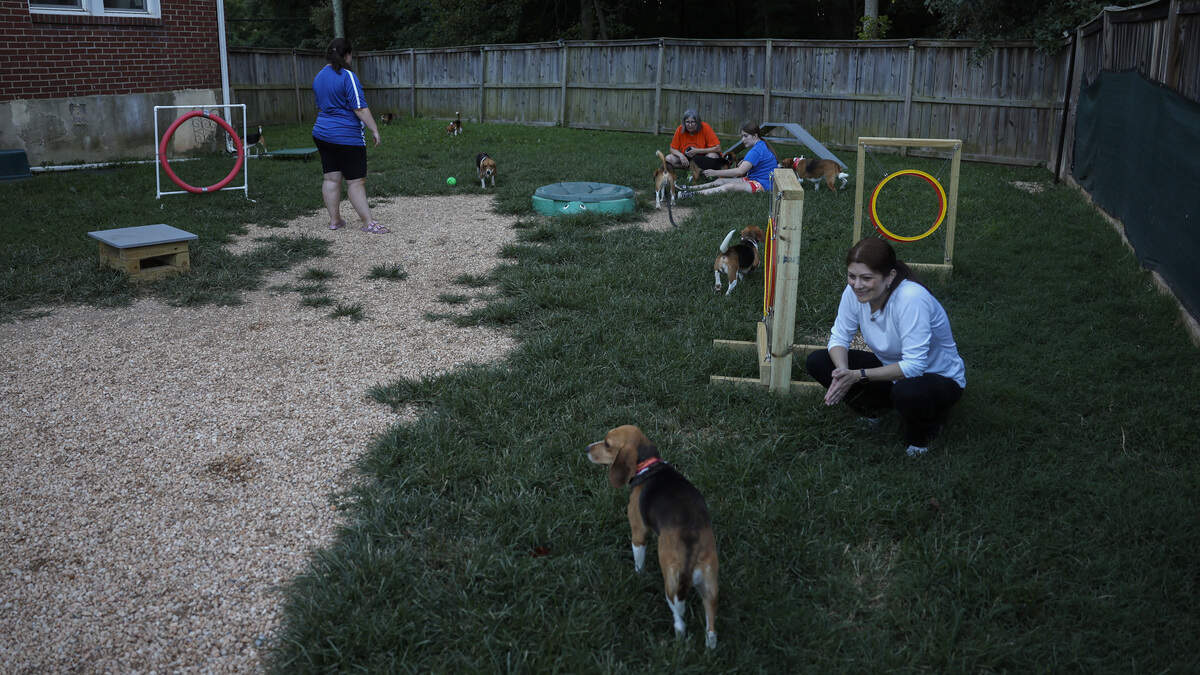
You have seen the videos. A family pulls into the driveway of their first house, opens the gate and lets the dog loose. What follows is pure joy: a full-speed lap around the yard, ears back, tongue out, the unmistakable zoomie gallop of a dog who has never had this much room to run.
If you have just handed your dog a yard of their own, you know that feeling. But a patch of grass and a fence is only the start. The best backyard ideas for dogs are built around the things dogs are driven to do: sniff, dig, cool off, explore and keep watch.
Design for those instincts and you get a calmer, healthier and happier dog. Here is where to begin.
Backyard ideas for dogs that match their instincts
Dog digging pit. Digging is a natural behavior that makes dogs happy, according to UC Davis veterinarians. Build a small sandbox or dig a pit, fill it with play sand and bury a few toys to teach your dog that this is the spot to dig.
Dog obstacle course. Nearly 60% of US dogs are overweight or obese, reports the Association for Pet Obesity Prevention. A backyard dog obstacle course of jumps, tunnels, weave poles and a low ramp turns exercise into a game. Keep it low to start and reward every success.
Dog pool or dog splash pad. On hot days water is a safety measure, not just fun. A Royal Veterinary College study found that exercise triggered 74% of heat-related illness in dogs, far ahead of hot cars. A shallow dog pool, a dog splash pad or a simple sprinkler lets them cool off while they play.
Dog shade canopy. Shade is how dogs cool down when panting is not enough. A leafy tree, a covered patio or a dog shade canopy stretched over their favorite lounging spot gives them somewhere to escape the sun. Keep a bowl of fresh water there too.
Outdoor dog bed. Getting your dog up off the hot ground matters more than people think. Many dogs do great outside between 55 and 80 degrees Fahrenheit, a Dogtopia vet told NBC News. A raised, weatherproof bed tucked into the shade becomes their base between zoomies.
Dog fence window. Dogs are natural lookouts who love to survey their territory. A raised platform or a dog fence window, a clear acrylic dome set at your dog’s eye level, lets them watch the world go by. It can even cut down on frustrated fence-line pacing.
Dog sensory garden. The ASPCA uses a dog sensory garden to help fearful dogs build confidence through safe new experiences. Plant dog-safe, aromatic picks like lavender, rosemary and wheatgrass along a winding path they can sniff through.
Dog wash station. After all that digging and splashing, a muddy dog still has to come back inside. A dog washing station can be as simple as a hose and a tie-up spot or as built-out as a raised basin with warm water and a sprayer. Either way, a dog wash station keeps bath time out of your bathroom.
Plants toxic to dogs and other things to skip
A great yard is as much about what you leave out as what you put in. A few common backyard staples are genuinely dangerous.
Avoid plants toxic to dogs such as sago palm, oleander, foxglove and azaleas. Check the ASPCA toxic plant list before anything goes in the ground and swap in dog-safe alternatives.
Skip cocoa mulch. It contains theobromine, the same compound that makes chocolate toxic to dogs, and plenty of dogs will happily eat it. Use cedar or untreated bark instead.
Skip lawn chemicals where you can. Fertilizers, weed killers and pesticides sit right where your dog sniffs and walks. If you must treat the yard, choose pet-safe products and keep your dog off until everything is fully dry.
Tick prevention for dogs in your own yard
Good tick prevention for dogs starts at home, before it ever becomes a vet visit.
Keep your grass short and clear out leaf litter and brush piles, since ticks wait in tall, damp growth. A strip of gravel or wood chips between your lawn and any wooded edge adds another layer of tick control for dogs by discouraging them from crossing in.
Check your dog after outdoor time too. Run your hands over them and look in the hidden spots: the ears, armpits and between the toes.
The reason this matters is Lyme, the top tick-borne disease in the United States, Texas A&M professor Dr. Jenny Hyde told Campus Insights Media. A tick generally has to stay attached for about two days to transmit the bacteria, so prompt checks genuinely help. There is also a Lyme vaccine available for dogs, so ask your vet.
Start with a few of these backyard ideas for dogs and the yard becomes exactly what you built it to be: a place your dog can explore without you having to worry.
This article was created by content specialists using various tools, including AI.