
The 7 Best Bucket List Hikes in the World and Everything You Need to Know Before You Go
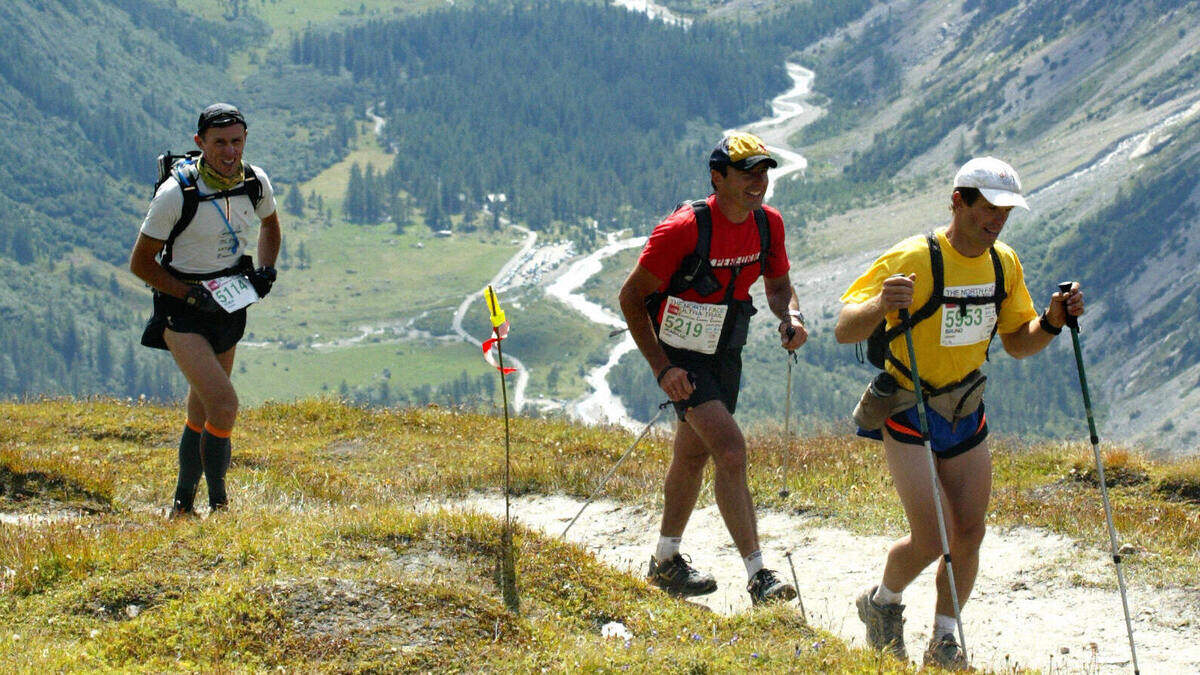
For anyone who has ever thought about swapping the treadmill for a mountain path, the world’s iconic long-distance trails offer something a gym never will. These treks stretch your endurance, quiet your head and drop you into places most travelers only glimpse from an airplane window.
The barrier to entry is surprisingly low. Hiking requires little more than good shoes, a solid plan and time. That accessibility is why famous trails from the Andes to the Alps continue to draw hundreds of thousands of walkers every year.
Why hiking belongs on your bucket list
Hiking builds endurance, strength and coordination, according to Dr. Edward Phillips, assistant professor of physical medicine and rehabilitation at Harvard Medical School. It works the body much like walking does, but varied terrain adds a challenge flat pavement cannot match.
The mental payoff can be just as significant. Humans thrive in natural settings, and the Japanese practice of shinrin-yoku, or forest bathing, has been shown to produce measurable physical changes. A 2019 study in the International Journal of Biometeorology found that forest bathing reduced levels of cortisol, the stress hormone, in the blood.
The Inca Trail in Peru
The classic five-day Inca Trail winds past ruins, wide valleys and vibrant cloud forest before climbing to Dead Woman’s Pass, its highest point. Permit numbers are capped, which keeps the experience quieter and more peaceful than most routes to Machu Picchu. Trekking company Ian Taylor Trekking calls it one of the best treks in the world on the company blog, noting that the ruins, passes and camp moments often outshine the final destination.
Tour du Mont Blanc across three countries
Circling the highest peak in the Alps, the Tour du Mont Blanc crosses France, Italy and Switzerland, delivering high pastures, jagged glaciers and comfortable lodgings at the end of each day. Trails are well marked, wildlife is abundant, and it is widely considered one of Europe’s finest treks.
Mount Kilimanjaro in Tanzania
Kilimanjaro is Africa’s highest mountain and the tallest free-standing peak in the world. For hikers hoping to reach the summit, longer acclimatisation routes like the Lemosho or Rongai offer the best odds of success. Nights under star-filled skies, colobus monkeys in the forest and sunrise over the plains from the top make it a genuine once-in-a-lifetime experience.
The Grand Canyon in the United States
Carved over more than 6 million years, the Grand Canyon is one of the seven natural wonders of the world and an icon of American geography. The Bright Angel Trail is a favorite, with a halfway stop at Indian Garden Campground and some of the best Inner Canyon views from Plateau Point. Two campsites along the route allow for an overnight stay, which many seasoned hikers recommend for the atmosphere and the chance to meet fellow travelers.
The Walk of the Gods on Italy’s Amalfi Coast
Running from Bomerano down to Positano, the Walk of the Gods follows an ancient path carved beneath limestone cliffs. It passes stone farmhouses and opens onto some of Italy’s most photographed coastal views. Because the trail is well trodden and manageable, it makes an ideal bucket-list pick for less-seasoned hikers.
The Milford Track in New Zealand
Stretching 53.5 kilometers, or 33.2 miles, through Fiordland National Park, the Milford Track is often called “the finest walk in the world.” The route takes four days and three nights, starting at Lake Te Anau and finishing at Milford Sound. Both guided and independent options are available.
“I’ve walked several of New Zealand’s Great Walks over the years, and this was right up there with the best of them. To be honest, it’s one of the most spectacular multi-day hikes I’ve done anywhere in the world, and richly deserves its bucket-list status,” Dave Dean wrote on his blog, What’s Dave Doing.
The Camino de Santiago in Spain
Blending history, spirituality and scenery, the Camino de Santiago leads to the Cathedral of Santiago de Compostela, said to be the resting place of the apostle Saint James. Roughly 250,000 people walk the trail every year, according to Conde Nast Traveler. In 2024, nearly 500,000 pilgrims completed the journey, with almost half choosing the Camino Francés.
More than 200 Camino routes exist, but seven draw the most walkers.
- Camino Francés (French Way)
- Camino Portugués (Portuguese Way)
- Camino del Norte (Northern Way)
- Camino Primitivo (Primitive Way)
- Camino Inglés (English Way)
- Camino Invierno (Winter Way)
- Camino Finisterre
The routes begin in different countries, but all of them ultimately converge on Santiago.
This article was created by content specialists using various tools, including AI.
.jpeg)