
What Are the Warning Signs of Heat Exhaustion? Symptoms, Risks and How It Differs From Heat Stroke
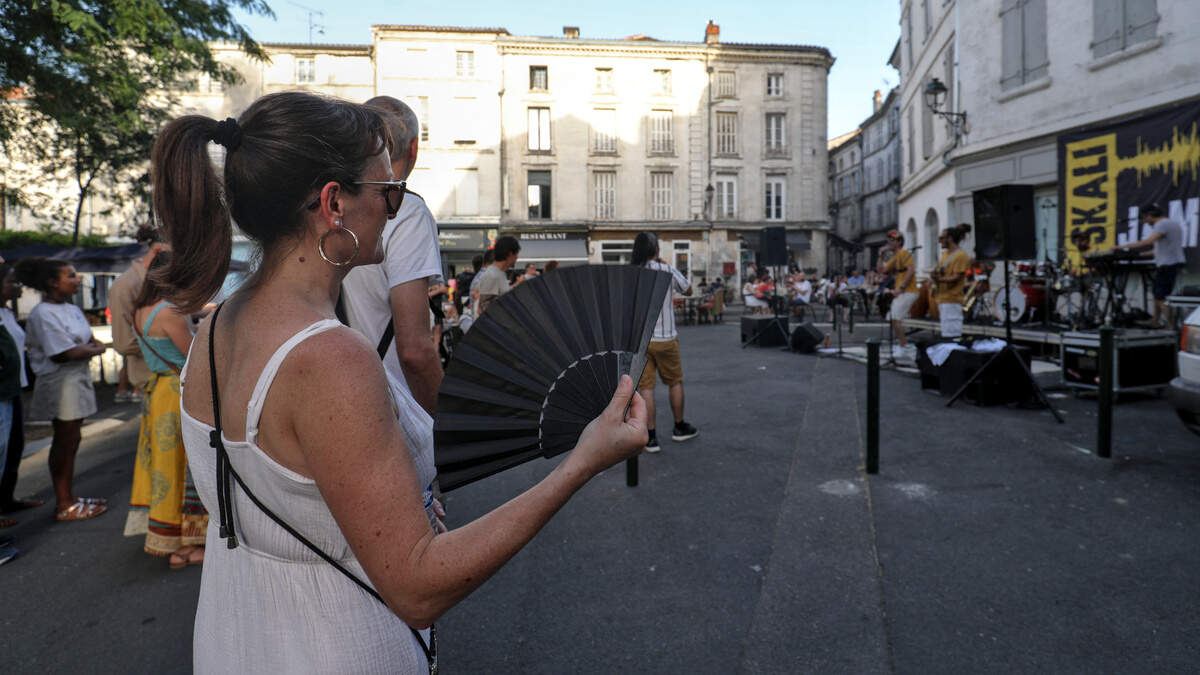
Heat exhaustion is showing up faster, more often and in more places as summers get hotter and heat waves become a regular fixture of the calendar. Heat-related illnesses already claim more U.S. lives each year than hurricanes, lightning, earthquakes, tornadoes and floods combined, and that toll is expected to climb as the climate warms. Between 1979 and 2014, more than 9,000 people in the U.S. died from heat-related causes, with fatalities peaking during heat waves and hotter-than-average years.
Understanding what heat exhaustion looks like, including how it starts, who it hits hardest and what to do in the first minutes, is the difference between a scary afternoon and a medical emergency.
Why heat exhaustion is getting more dangerous
The backdrop for every conversation about heat exhaustion in 2025 is a hotter planet. Climate scientists say the extreme heat events driving hospital visits aren’t random spikes. They are the predictable result of decades of warming. That means the conditions that trigger heat exhaustion are becoming more common, longer-lasting and harder to escape, especially for people without reliable cooling at home.
“Heat waves like this are so directly connected to the climate crisis and climate change and it’s because of how we’ve been burning fossil fuels and cutting down forests for so long and increasing the concentration of heat-trapping gasses in the atmosphere,” Jennifer Francis, a climate scientist at the Woodwell Climate Research Center, told the AP.
“These kinds of heat waves and droughts and associated fires are all increasing just as we would expect them to in a warming world,” Francis said.
The spectrum of heat illness, cramps, heat exhaustion and heat stroke
Heat illness isn’t a single event. It is a progression. Dr. Brett Bentley, a sports-medicine specialist at the University of Alabama, told the Tuscaloosa News that heat-related health issues range on a spectrum, and knowing where someone falls on that spectrum determines what you do next. Muscle cramps come first. Heat exhaustion follows. Heat stroke is the medical emergency at the far end.
Muscle cramps are painful and sudden, usually in the calves, hamstrings or feet, and last seconds to minutes. They are driven by dehydration, muscle stress or low electrolytes. “We have all felt those at some point,” Bentley said.
Heat exhaustion is tied to water and salt loss from heavy sweating. Symptoms include nausea, weakness, headache and fatigue. “Someone suffering heat exhaustion will appear weak, lethargic, and just want to sit down. There’s a lot of fatigue,” Bentley said.
Heat stroke is when core body temperature climbs to 104°F or higher and mental status changes. “With heat stroke the mental status changes. They can’t answer basic questions, how they are, what they’re doing, the day of the week, all this kind of thing,” Bentley said. Heat stroke is life-threatening and needs immediate treatment.
Who is most vulnerable to heat exhaustion
Extreme heat can hit anyone, but classic heatstroke lands hardest on the very young, the elderly, people who are overweight and those with chronic conditions like uncontrolled diabetes, hypertension or cardiovascular disease. Alcohol and several common medications, including diuretics, tricyclic antidepressants, antipsychotics and some cold and allergy remedies, increase susceptibility. Classic cases often unfold quietly, in upper-floor apartments without air conditioning, where the danger builds over hours or days.
There’s also a growing body of research on how heat waves affect women differently than men. Dr. Nighat Arif, an NHS GP specializing in women’s health, told the BBC that heat waves act as a “stress test” for women’s cardiovascular systems. Dr. Cat Pinho-Gomes, an academic public health consultant at the UCL Institute for Global Health, said women may be marginally more vulnerable to heatwave-related death than men, though more evidence is needed.
A 2025 research study found that women produce less sweat and start sweating at higher temperatures than men, which impairs the body’s ability to shed excess heat quickly and makes it harder to judge when the body is under strain. Women also tend to have higher core body temperatures and higher body fat percentages, which act as an extra insulating layer. Hormonal fluctuations during menstruation, perimenopause, menopause, pregnancy and breastfeeding can put the brain’s temperature regulation “out of kilter,” according to Arif.
Why heat exhaustion strikes young, fit people too
Heat exhaustion and its more dangerous cousin, exertional heatstroke, don’t only target the frail. Exertional heatstroke actually favors young, fit people, particularly athletes, because exercise drastically accelerates the rise in body temperature. Marathon runners, cyclists and other endurance athletes can push into exercise-induced hyperthermia, with internal temperatures hitting 100 to 104°F.
At that level there’s usually no lasting damage. But as temperatures climb higher, the body’s metabolism runs so fast it can’t cool itself, and cascading organ failure, brain damage and death become real possibilities.
Warning signs and what to do immediately
Symptoms vary from person to person, and medications or underlying health conditions can make it harder to notice overheating until it’s advanced. Early warning signs of heat exhaustion include heavy sweating, muscle cramps and headache, and the moment those appear, stop the activity and start cooling down. As heat exhaustion progresses, expect a faster heart rate and dizziness. If the person becomes confused, starts slurring words or faints, that’s heat stroke territory, so call 911.
While waiting for responders, take fast, simple steps.
- Call 911 if there’s any sign of heat stroke
- Move the person into shade
- Remove excess clothing
- Cool them with water, ice packs or damp cloths until help arrives
Prevention, Bentley said, does most of the work. “But it’s largely preventable. Less strenuous outdoor activity is certainly a good idea, or try to go early in the day, or later, after dawn or dusk,” he said.
This article was created by content specialists using various tools, including AI.
.jpeg)