
Is It Too Hot to Walk Your Dog? The Vet-Approved Rules Every Owner Needs to Know This Summer
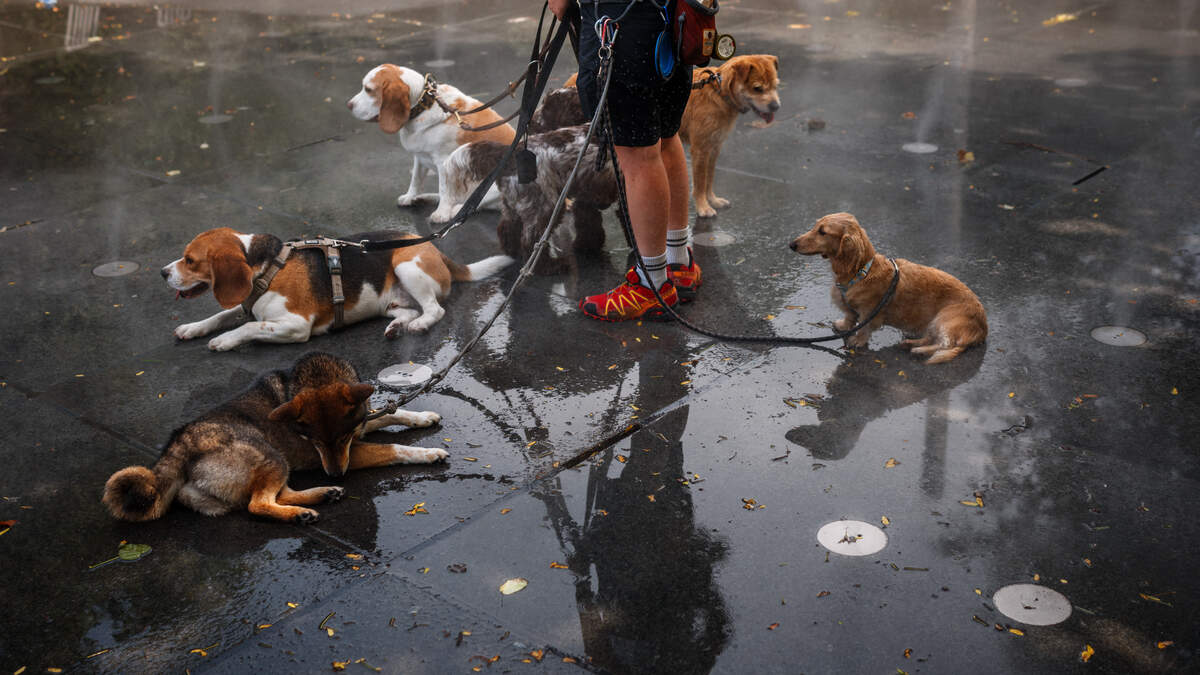
Rising temperatures and more frequent heat waves have pushed pet safety to the front of many owners’ minds this summer. Here is what veterinarians say about spotting heatstroke, walking dogs safely on hot pavement and cooling your pet at home.
How can you keep your pet cool in summer heat?
Give pets constant access to fresh water, provide a shaded or air-conditioned spot they can retreat to, and use fans, damp cloths or immersion in cool water to bring their body temperature down.
“The general rule of thumb is, if it’s too hot for people, it’s too hot for animals to be outside for any extended period of time as well,” Jerry Klein, chief veterinarian at the American Kennel Club, told Wirecutter. Cooling mats with pressure-activated gel absorb heat from a pet’s body, and tile or stone floors stay naturally cooler than carpet. Freezing wet dog food in a bowl also keeps pets busy and cool at the same time, according to Alex Crow, an RCVS licensed veterinary surgeon. For cats, put out a fountain. “Cats have evolved from desert animals and they avoid stagnant water. They’re more likely to drink if the water is fresh and moving,” Crow told Keys News.
What are the signs of heatstroke in dogs?
The clearest early warning is heavy, frantic panting when a dog has not been exercising, along with drooling, red or dark gums, weakness or vomiting.
The PDSA lists excessive panting, drooling or foaming, confusion, shaking, weakness, collapse, vomiting, diarrhea and seizures as signs of heatstroke in dogs. “The most obvious sign your pet is overheating is panting very heavily and frantically especially if they haven’t been exerting themselves,” Crow told Keys News. Dogs cool themselves differently than people do. “Dogs don’t sweat through their fur or skin like humans, so panting is a dog’s way of regulating body temperature,” Crow said. Dark or reddened gums are another red flag, he added, meaning blood has rushed to the extremities to shed heat.
When is it too hot to walk your dog?
There is no single safe temperature. Exercise is the most frequent trigger of canine heatstroke, so walk only in early morning or late evening and avoid hot pavement, according to the RSPCA.
Test the ground before you head out. If you cannot hold your hand on the pavement for five seconds, it is too hot for a dog’s paws. Signs paws have already been burned include limping, refusing to walk, licking or chewing feet, darker or damaged pads and visible blisters or redness. Stick to shaded areas and grass where possible, and skip running or cycling with your dog on hot days. If your dog is getting less exercise than usual, the RSPCA recommends keeping them engaged indoors with puzzle toys or training games.
Which dog breeds are most at risk when temperatures rise?
Flat-faced dogs such as French Bulldogs, Bulldogs and Pugs, along with overweight dogs, face significantly higher risk of heat-related illness than other breeds.
“Not all breeds are equally at risk. Flat-faced dogs, like Frenchies, Bulldogs and Pugs, as well as overweight dogs, are a lot more at risk than other breeds as they can’t regulate temperature as well,” Crow told Keys News. The heat waves themselves are also getting worse. “Heat waves like this are so directly connected to the climate crisis and climate change and it’s because of how we’ve been burning fossil fuels and cutting down forests for so long and increasing the concentration of heat-trapping gasses in the atmosphere,” Jennifer Francis, a climate scientist at Woodwell Climate Research Center, told the AP.
What should you do if your pet overheats?
Start cooling your pet immediately, then head to a vet. Emily Hall, a veterinarian at the Royal Veterinary College UK, calls the approach “wet, then vet.”
Move your pet to a shaded area and slowly pour water cooler than their body temperature over their body, avoiding the head in case breathing is labored, according to Hall’s guidance shared with Wirecutter. Do not cover them with damp or wet towels, which can trap heat. The faster you bring the temperature down, the lower the risk of serious injury. Even if your dog seems to recover, follow up with a veterinarian. “If a dog overheats and it looks like heatstroke, and you think you’ve got it under control, always get them seen by a vet. Because sometimes there can be internal changes that can occur hours later,” Klein told Wirecutter.
This article was created by content specialists using various tools, including AI.
.jpeg)