Expert warns about cumulative stress tracking: Wearable data can fuel health anxiety, not just awareness
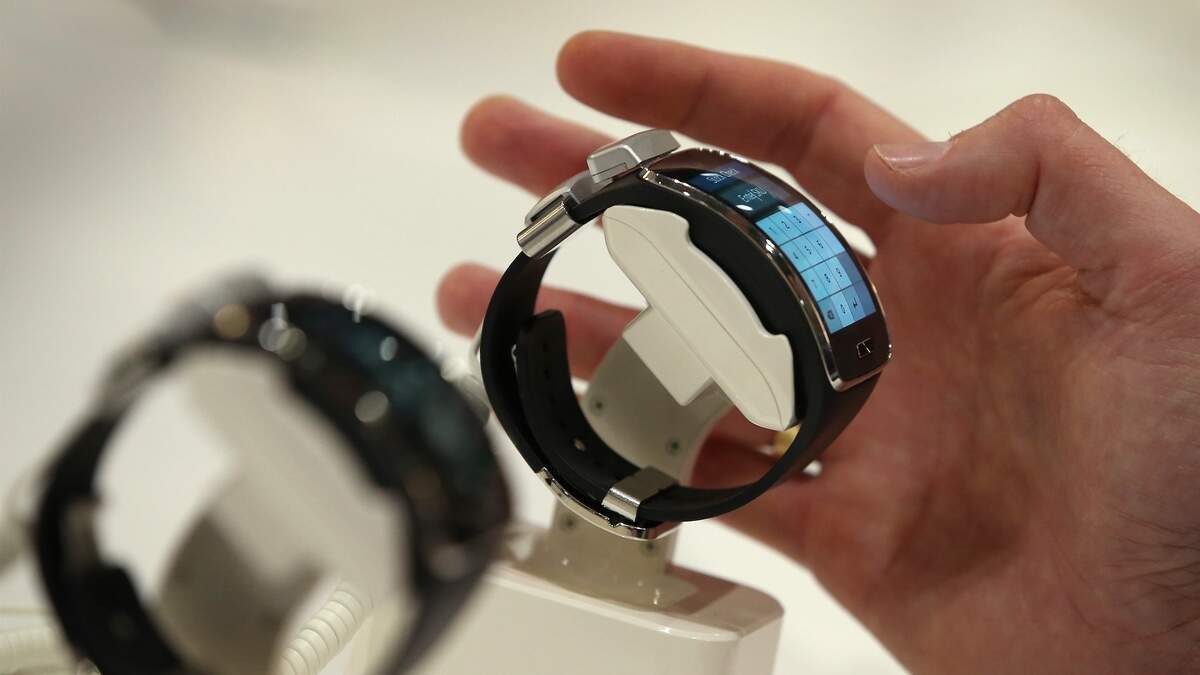
The pitch from wearable makers has shifted. It is no longer enough to count steps or log a night’s sleep. The new frontier is cumulative stress, a running tally of how much strain your body is carrying from work, poor sleep, illness, travel, emotional load and exercise combined. Oura rolled out its version in fall 2025. Dutch startup NOWATCH built an entire wristband around the idea. Both promise that if you can see your stress, you can manage it.
But psychologists are asking a different question. What happens when a device keeps reminding you that you are stressed?
How Cumulative Stress Tracking Works on Your Wearable
Oura’s Cumulative Stress feature pulls from 31 days of ring data to estimate how sustained strain is showing up in your body. It looks at five signals. Sleep continuity captures how often you wake or toss. Heart stress-response tracks heart rate variability and resting heart rate. Sleep micromotions measure small involuntary twitches during the night. Temperature regulation watches overnight skin temperature shifts. Activity impact gauges how physical exertion is affecting your recovery.
“It’s much more than just tallying the hours spent in stressful periods,” Jason Russell, Oura’s VP of consumer software product, told TechCrunch. “It’s actually measuring different bodily functions indicative of cumulative stress taking a toll on your body.”
According to Oura’s explainer, not all stress is bad. The company draws a line between acute stress, which can help you focus or perform, and chronic stress, which the ring says has been linked to anxiety, depression, impaired cognition and heart disease.
What NOWATCH Measures and Why Resilience Matters
NOWATCH takes a similar angle but frames the goal as stress resilience rather than stress reduction. Its Reactivity Monitor watches shifts in the autonomic nervous system, which controls involuntary reactions through two branches. The sympathetic branch fires when the body is on alert. The parasympathetic branch handles rest and recovery. A healthy body toggles between them.
The company points to a striking claim on its science page. “Nine out of 10 life-threatening diseases have been linked to stress,” the site says. Its pitch is that logging activities alongside physiological data helps users spot which parts of their day drain them and which restore them.
Resilience, NOWATCH argues, is not about avoiding stress. It is about a nervous system that can activate quickly when a challenge appears, then return to baseline once it has passed.
Can Tracking Your Stress Make You More Stressed?
This is where the psychology gets complicated. The Pacific Neuroscience Institute warns that small day-to-day fluctuations in readiness scores, heart rate or stress metrics can be misread as signs of a health problem. Chasing daily targets can also breed a sense of failure when the numbers do not cooperate. Over time, the institute says, the constant checking can pull attention away from what your body is actually telling you.
Linda Stanek, a family medicine specialist with Banner Health, has a name for the pattern. “Wearable-induced health anxiety is anxiety or excessive worry about your health that is triggered or made worse by data from wearable health devices,” she said.
The signs she flags include checking your heart rate throughout the day, feeling discouraged when readings are not “ideal,” treating small fluctuations as serious warnings, letting daily metrics influence your mood and feeling like the data controls your day.
Stanek notes that the readings on your wrist are moving targets. “Heart rate, oxygen levels and sleep patterns change constantly depending on your posture, hydration, stress levels, caffeine intake, temperature and exercise,” she said.
Her bottom line is more forgiving than the alarm the numbers can trigger. “Wearables improve health mostly through motivation, not diagnosis,” Stanek said. “People using activity trackers tend to walk more, exercise more, lose modest weight and maintain a healthier lifestyle. Just being aware of metrics may motivate you to make healthy changes.”
When should the numbers send you to a doctor? “Contact your provider if your device repeatedly shows abnormal values over time, especially if they are different from your usual baseline,” Stanek said.
This article was created by content specialists using various tools, including AI.