Gua shas and dry brushes cost under $10: How do ancient techniques compare to newer, pricier tools?
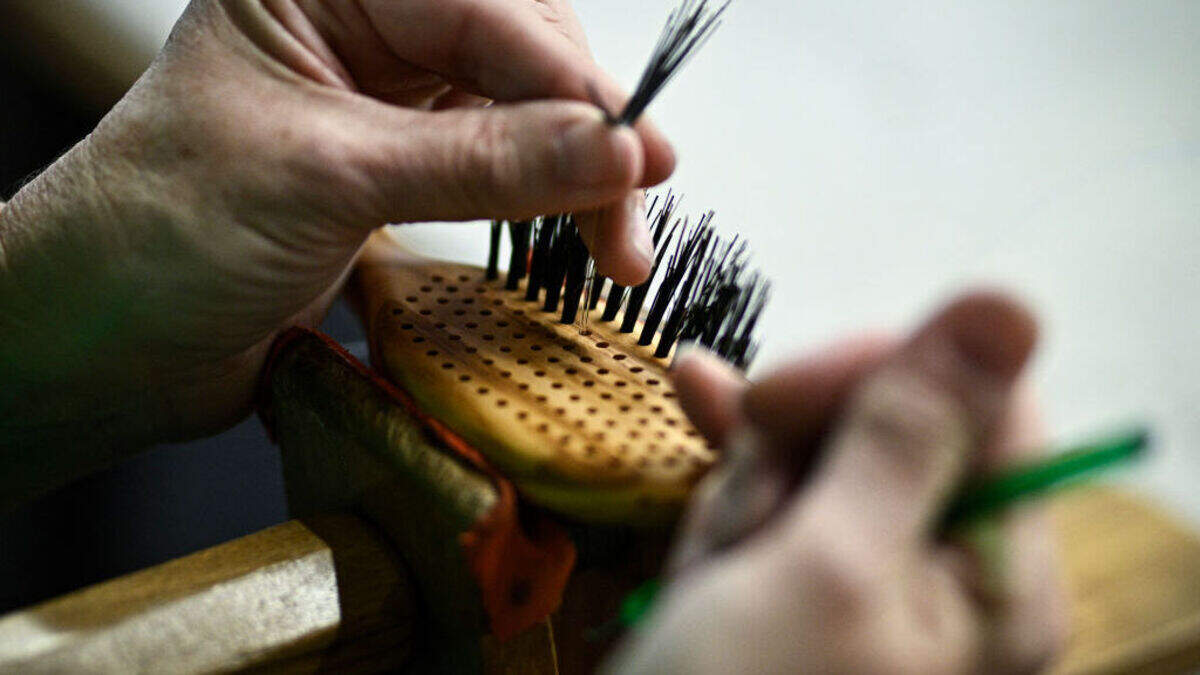
Lymphatic drainage has gone from a niche clinical treatment to a category spanning $8 dry brushes and $300 vibration plates, with search interest climbing by triple digits since 2021. The science behind the professional treatment is well established. The science behind most of the tools marketed alongside it is a lot thinner. Here’s how to tell the difference.
What Actually Happens in a Lymphatic Drainage Session
A trained therapist works in light, slow, rhythmic strokes, nothing like the deep kneading of a sports or deep-tissue massage. Sessions typically begin with the areas closest to the lymph nodes to clear pathways first, then move fluid from the rest of the body toward those nodes. The technique targets fluid movement just under the skin rather than the muscle layer, which is why pressure stays deliberately light throughout.
A properly performed session shouldn’t cause pain or skin reddening, and therapists steer clear of areas with active swelling, infection or skin that’s recently undergone cancer treatment. Most sessions run 30 to 90 minutes. If you want a full explainer on how the lymphatic system functions on a daily basis, this full breakdown covers the mechanics in detail.
Why People Get Lymphatic Drainage Massages
Cleveland Clinic notes that therapists move lymph from tissue toward the nodes specifically to ease swelling, and the technique is most commonly used clinically for lymphedema following breast cancer surgery, when nodes are often removed during treatment. Outside medical settings, people seek it out for puffiness, bloating and post-workout recovery.
One myth worth retiring: nothing visibly leaves the body during a session. The fluid that gets moved doesn’t exit through the skin. It re-enters the bloodstream and gets processed by the liver and kidneys the same way it always does, just faster than the body was managing on its own. Drinking extra water afterward is the standard advice, since it supports that processing.
A Price-Tier Breakdown of At-Home Lymphatic Tools
Quality swings widely within this category, especially for electric gua sha tools and budget vibration plates sold through social commerce apps. Here’s what’s realistic at each price point.
Dry brushing, $8 to $25. Light pressure on dry skin is thought to support superficial lymph flow near the skin’s surface. A regenerative medicine physician has advised against using it on broken skin, eczema or active rashes, since it can damage the skin barrier. It’s the cheapest entry point and works as a quick morning habit.
Gua sha, $10 to $40 for stone versions, $40 to $90 for electric or LED hybrids. A curved tool glides over oiled skin in sweeping strokes around the jaw and neck. It has the longest history of anything on this list, rooted in traditional Chinese medicine, though cosmetic claims still lack strong clinical support. Pressure needs care on reactive or rosacea-prone skin.
Lymphatic facial brushes, $15 to $35. Ultra-soft fibers used dry combine light stimulation with gentle exfoliation, no oil needed. They’ve gained ground on gua sha largely because the fiber flex self-regulates pressure, taking technique out of the equation.
Vibration plates, $80 to $300-plus. Rapid oscillations trigger muscle contractions that can indirectly support lymph movement. Short sessions may help with lower-extremity swelling in otherwise healthy people, and MD Anderson Cancer Center has pointed to low-intensity vibration as potentially useful for cancer patients maintaining bone and muscle health. Skip these if you’re pregnant, prone to blood clots or have implanted medical devices.
Red light and LED devices, $60 to $200-plus. This is the category with the strongest research behind it. A 2017 randomized controlled trial found red light therapy led to a significant drop in limb circumference after treatment, along with reduced fluid, fat, hyaluronan and protein buildup in swollen limbs.
Where the Lymphatic Drainage Research Is Headed Next
Lymphatic support has moved well past beauty content. A 2026 study in Bone Research found impaired lymphatic drainage is associated with inflammatory conditions including osteoarthritis and rheumatoid arthritis, helping explain the category’s expansion into recovery and rehab spaces. Even with that growth, most consumer tools remain wellness-adjacent rather than medical-grade, and it’s worth reading product claims with that distinction in mind.
Search Data Shows Lymphatic Drainage Is a Category, Not a Fad
Interest is broad, not concentrated on one device. Search data tracked by WWD shows lymphatic massage searches up 150% since 2021, face brush searches up nearly 2,850% and vibration plate searches up roughly 3,100% since 2020. Vibration plates lead by a wide margin, but the growth across every tool type suggests this isn’t tied to one viral product.
How to Choose a Lymphatic Drainage Tool
Three things matter more than finding the “right” device. None of these tools replace professional manual lymphatic drainage for diagnosed conditions like lymphedema. Buy from established brands with verifiable reviews rather than the cheapest option on a social commerce app, since quality varies dramatically for electric gua sha and vibration plates specifically.
And consistency beats intensity: across every source, occasional use produced little benefit no matter the tool. A $20 brush used four times a week will outperform a $300 plate sitting in a closet.
This article was created by content specialists using various tools, including AI.